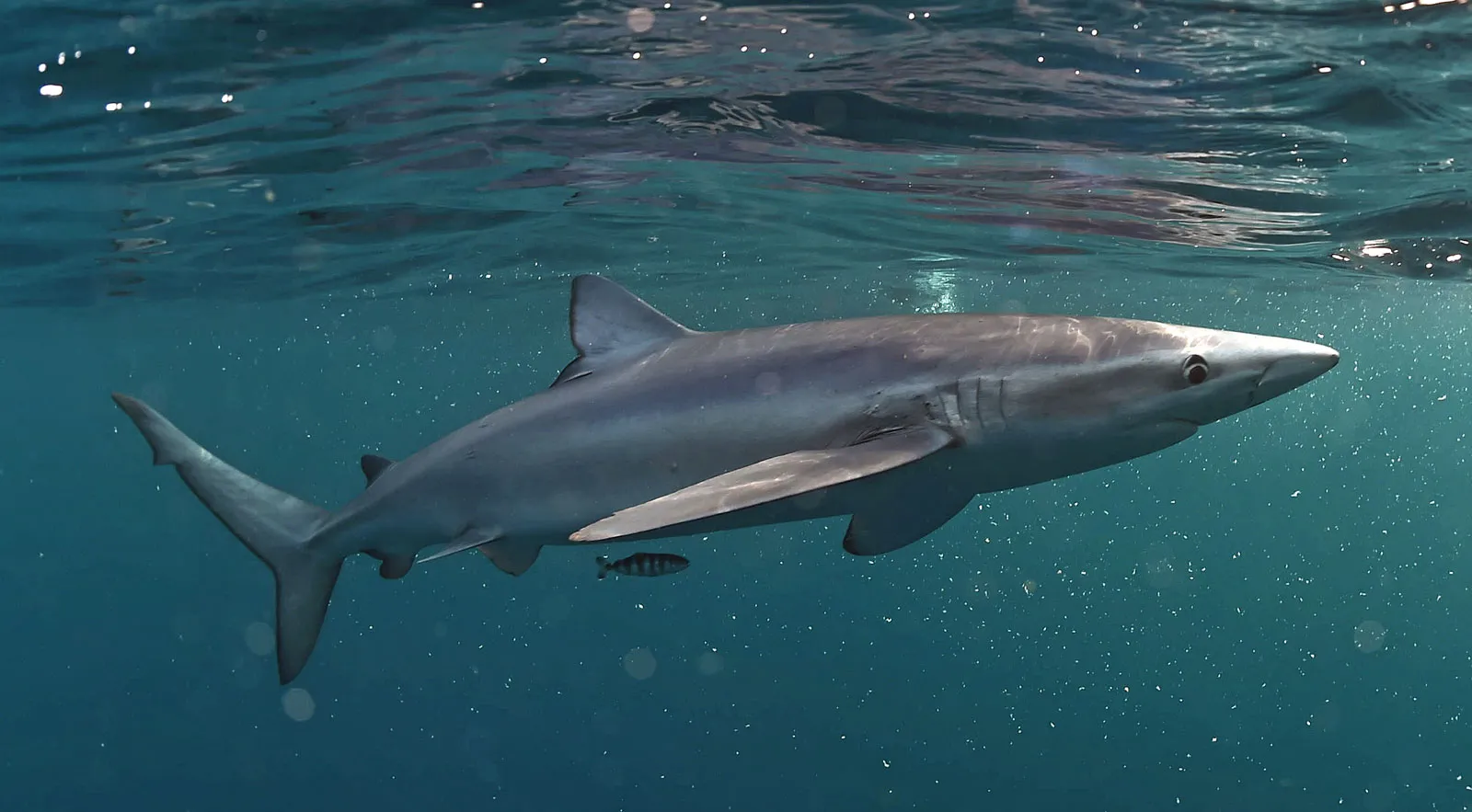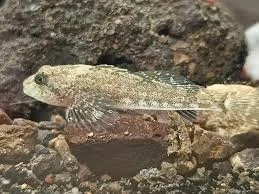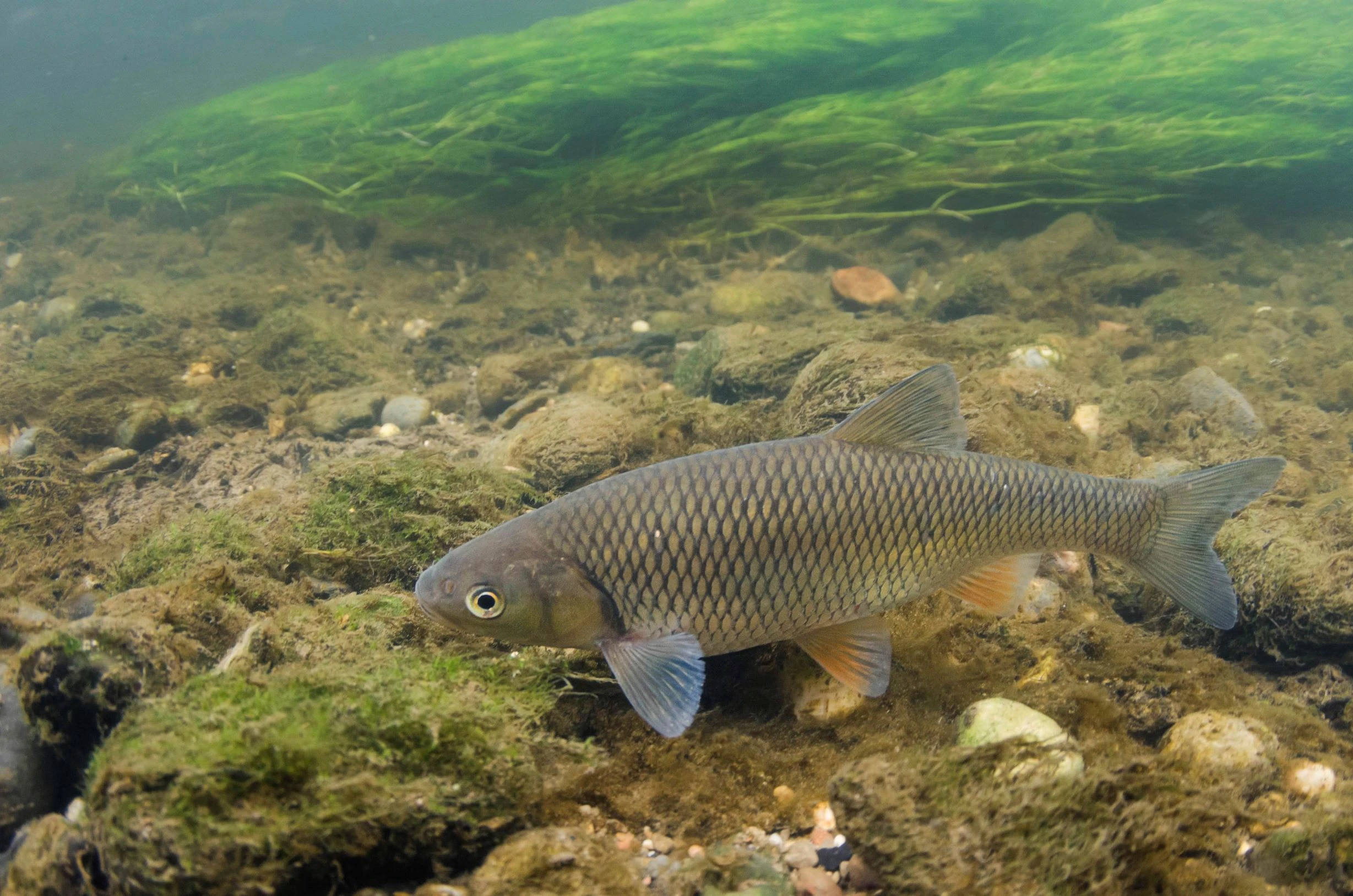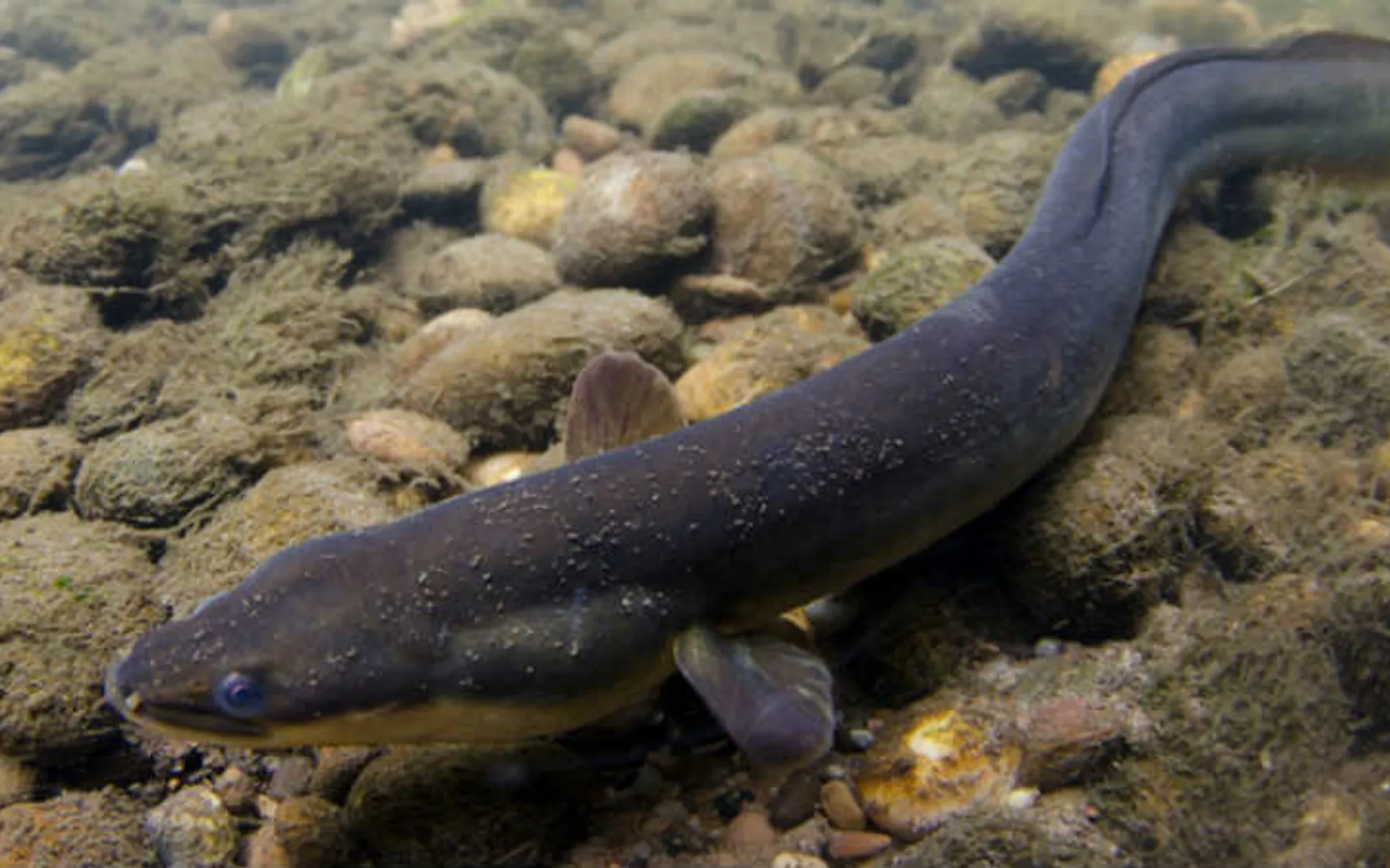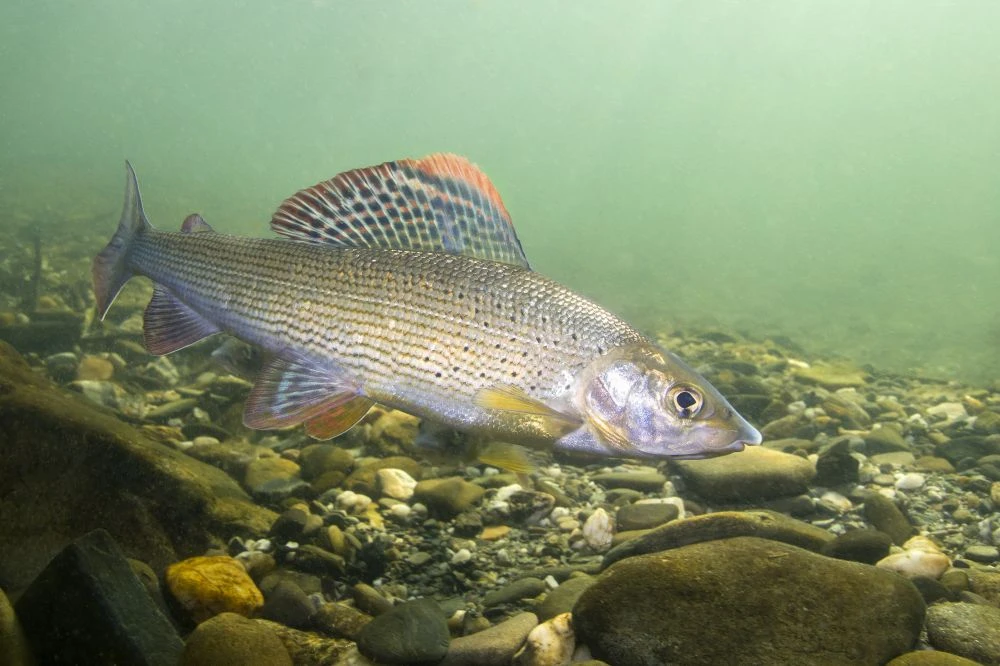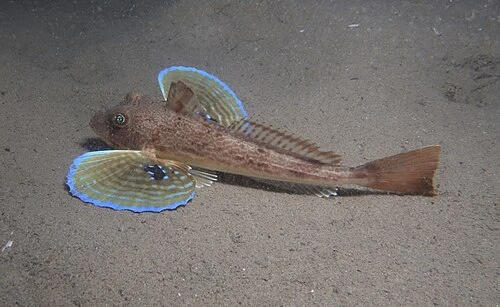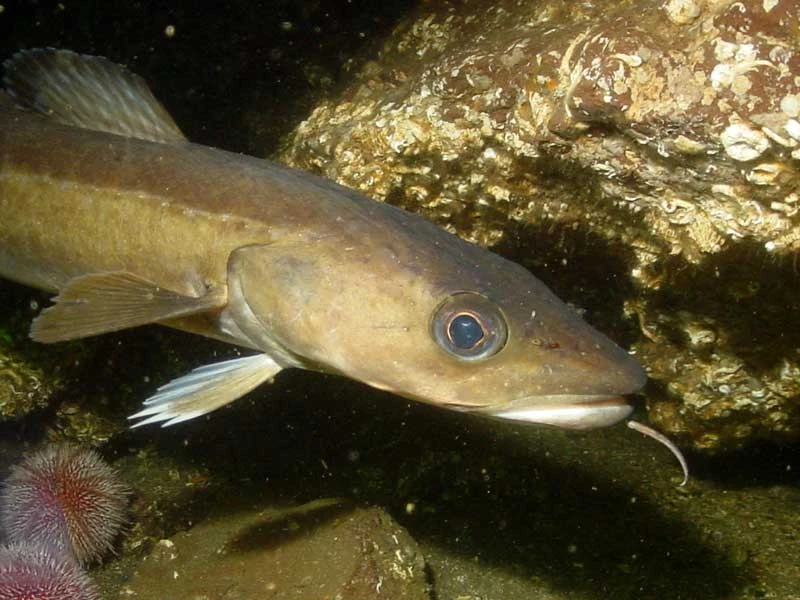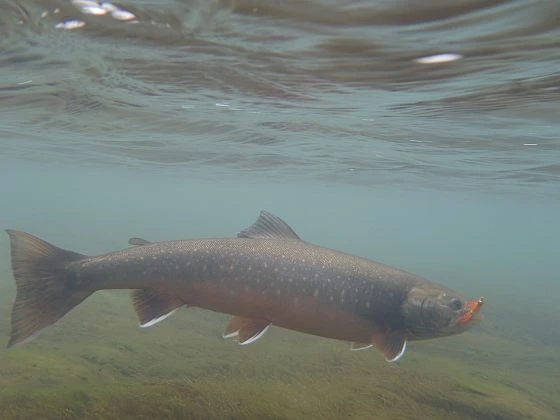
Arctic Char
Salvelinus alpinus
Prefers cold, well-oxygenated waters and can be found at depth during summer but comes closer to shore in cooler months.
Searchable profiles for coarse, game and sea species – complete with difficulty ratings, junior-friendly tackle suggestions and direct links to your fish health advice. Built to be used on the bank, during coaching sessions and across your public Clubnest site.
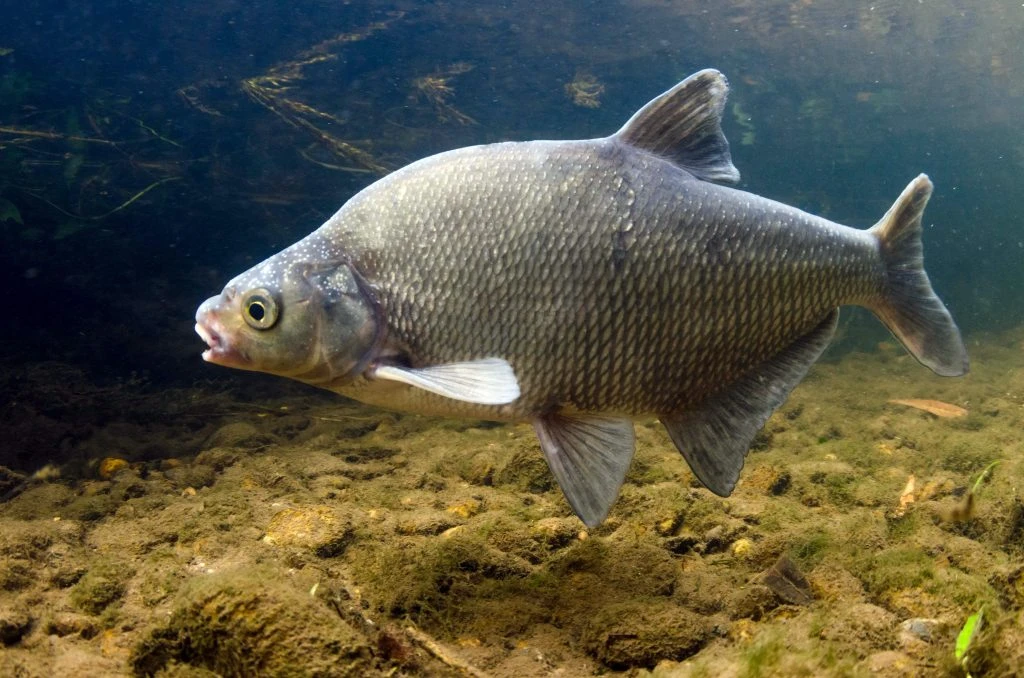
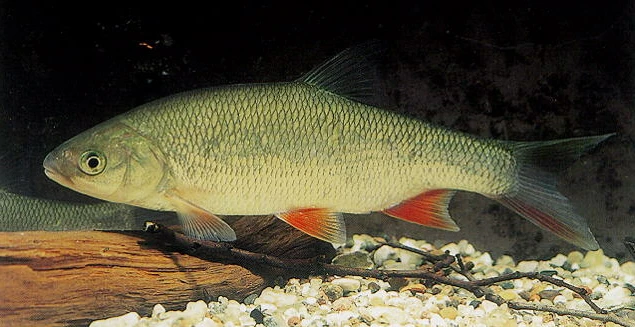
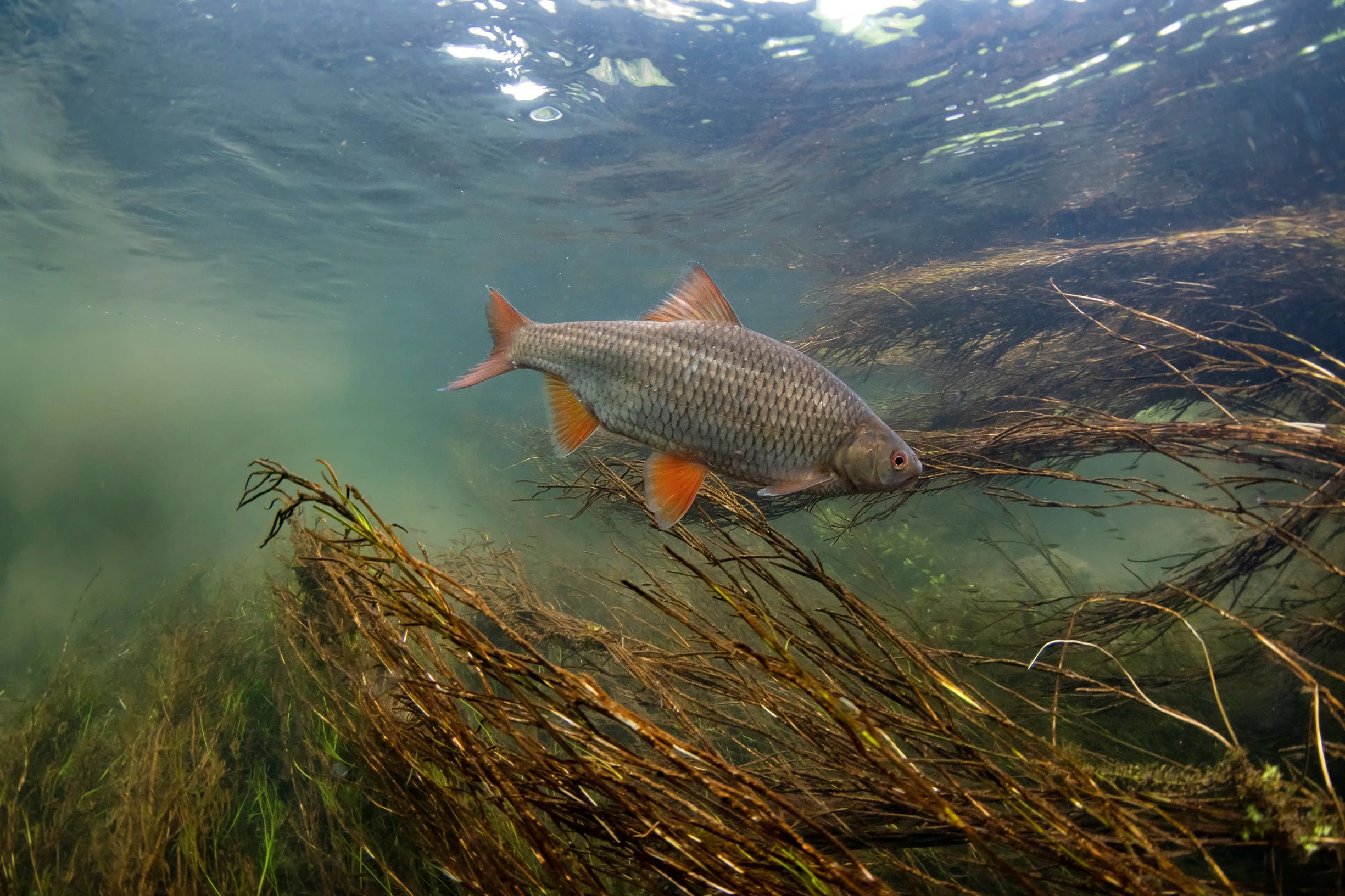
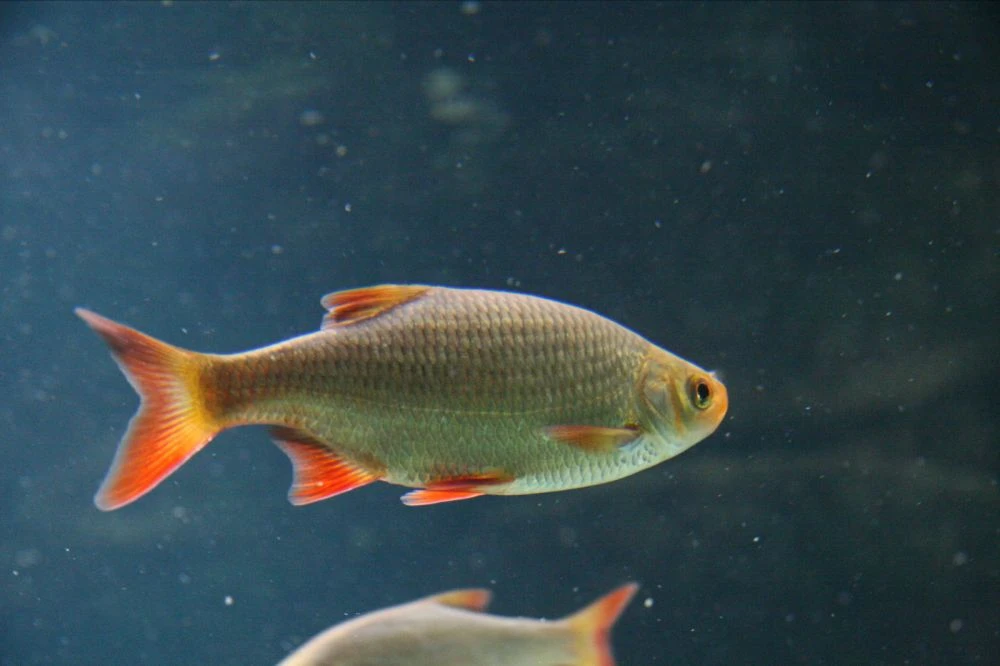
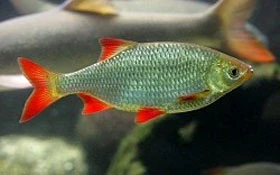
Roach
Beginner-friendly • Coarse
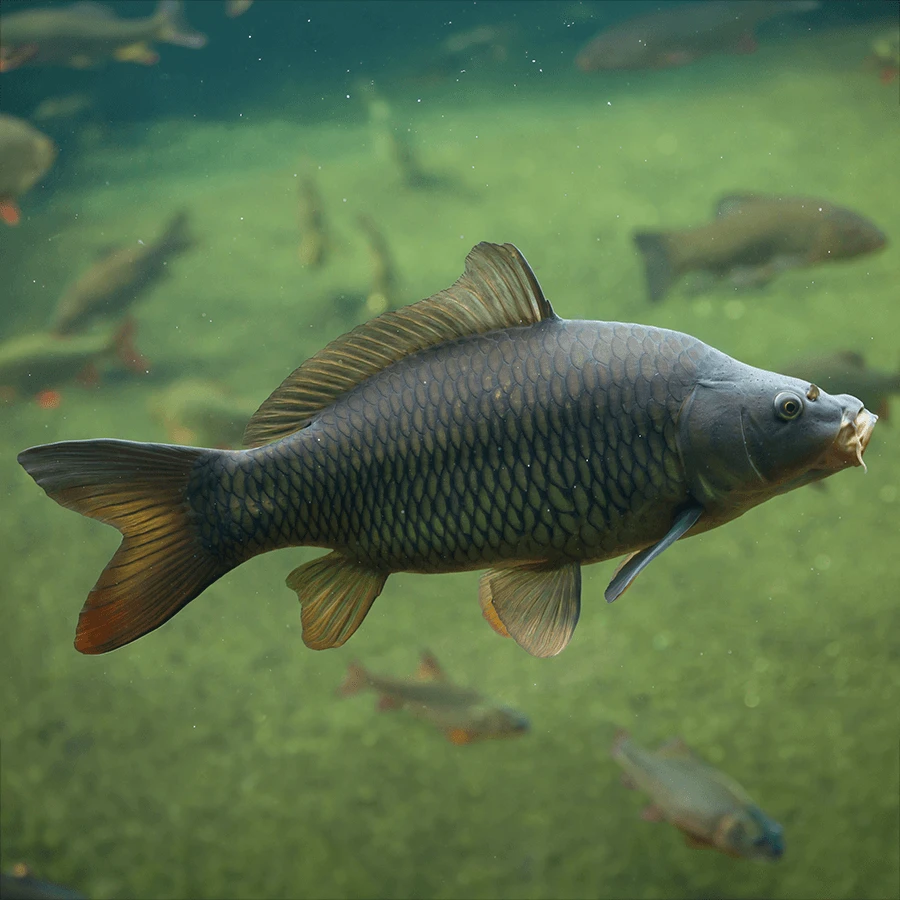
Carp
Moderate • Stillwater
Sea trout
Advanced • Game
Species in library
111+
Linked health issues
EA-style guidance
Ready for juniors
Plain-English copy
Tap any species to jump into rigs, baits & health info.
The Clubnest Species Guide brings together clear, practical information on the fish your anglers are most likely to encounter – from classic UK coarse fish and game species through to popular saltwater targets. Each profile links to junior–friendly information on where a species lives, how hard it is to catch, the best tactics to use, and any connected fish health advice from your health issues library.
Coaches, bailiffs and club officers can use this guide on the bank, during junior coaching sessions, or embedded into your public Clubnest website and mobile app. For new anglers and parents, it’s a welcoming, visual way to learn “what lives in our waters” and what good fish care looks like.
Tip: Use the search box, species-type filters and A–Z quick jump together to quickly find coarse, game or saltwater species profiles during coaching or club meetings.
A quick snapshot of species that appear frequently in coaching sessions, matches and club content. Use it as a handy “go-to” list when planning sessions for juniors or beginners.
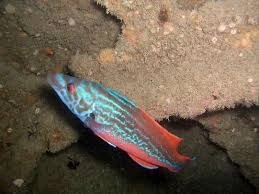
Salvelinus alpinus
Prefers cold, well-oxygenated waters and can be found at depth during summer but comes closer to shore in cooler months.
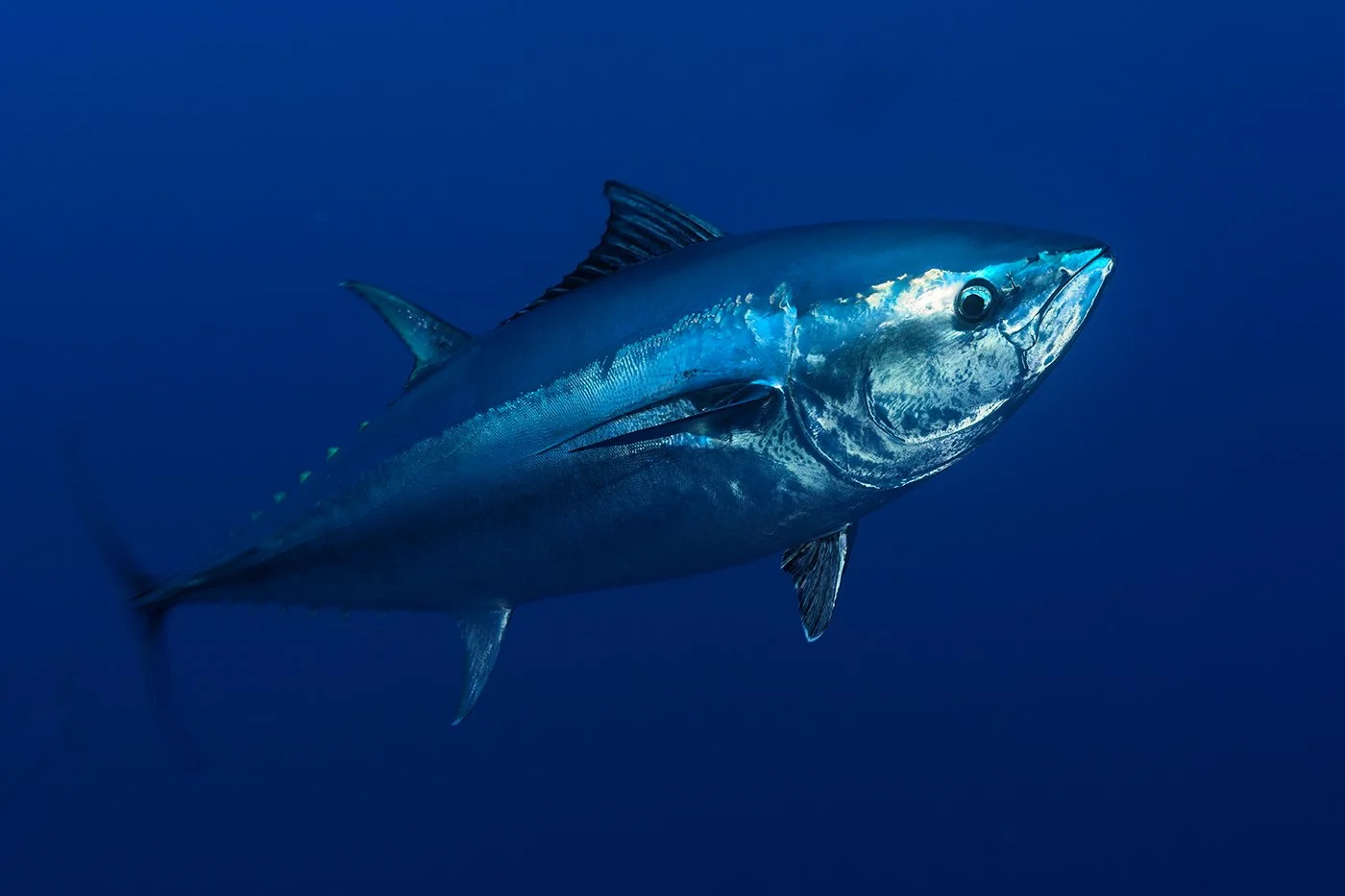
Thunnus thynnus
Deep offshore waters, tidal fronts and open sea areas reached by licensed charter boats.
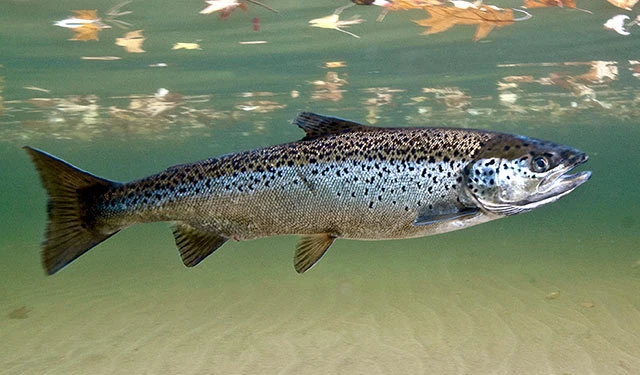
Salmo salar
Rivers (mainly spate to large lowland systems), estuaries, and lochs connected to migratory routes.
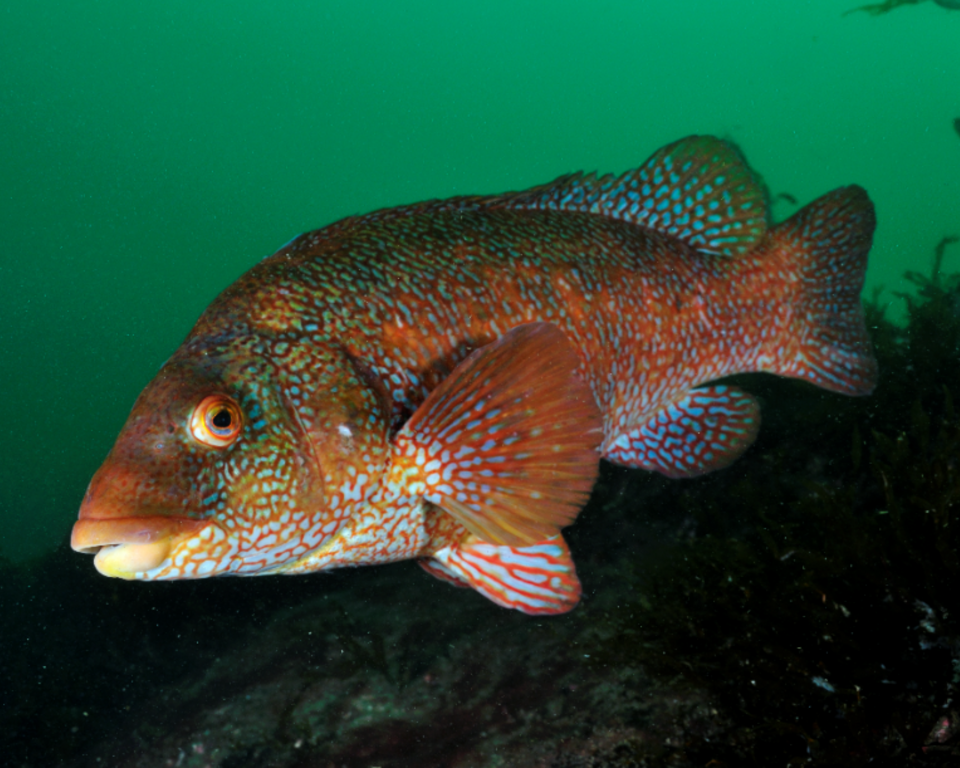
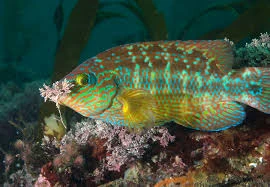
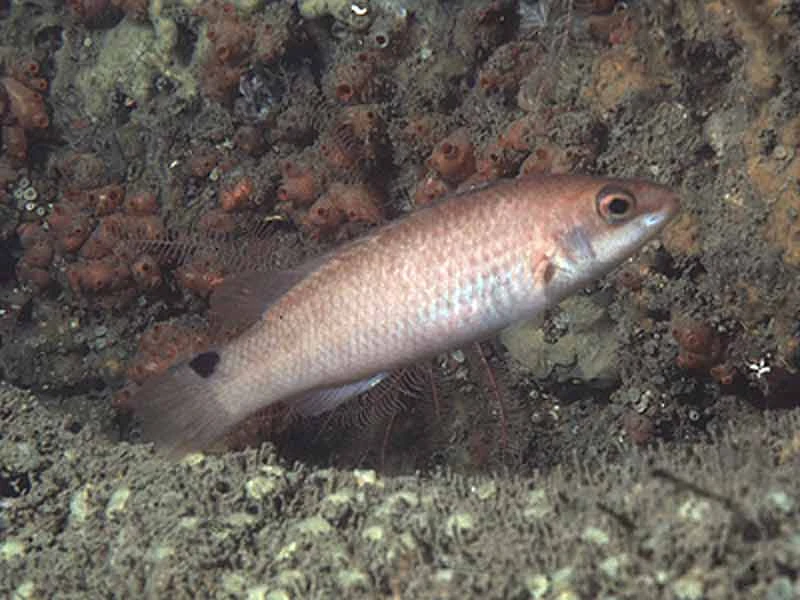
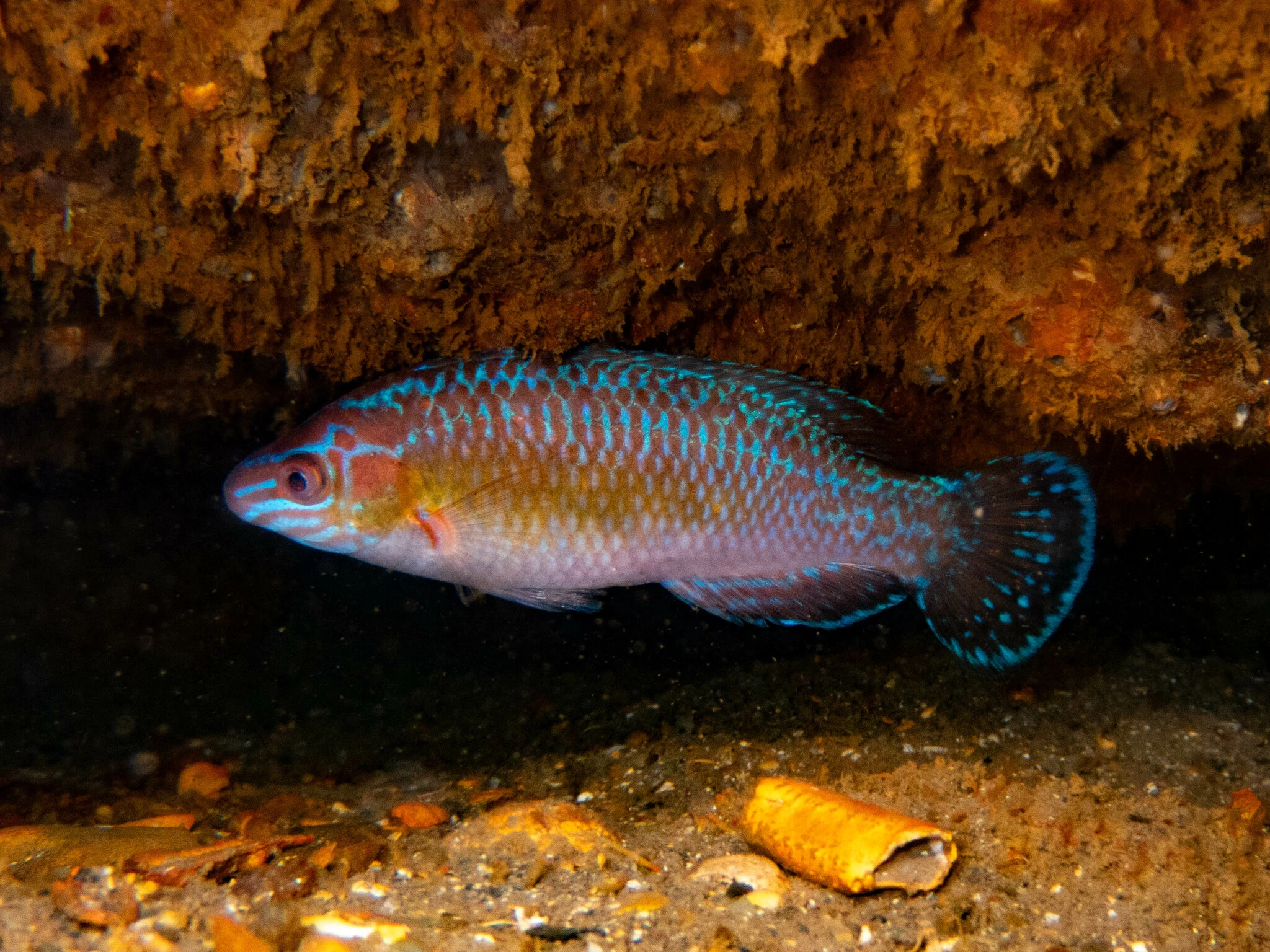
Labrus bergylta
Rocky shorelines, reefs, breakwaters, piers with kelp cover; occasionally wrecks and offshore reefs.
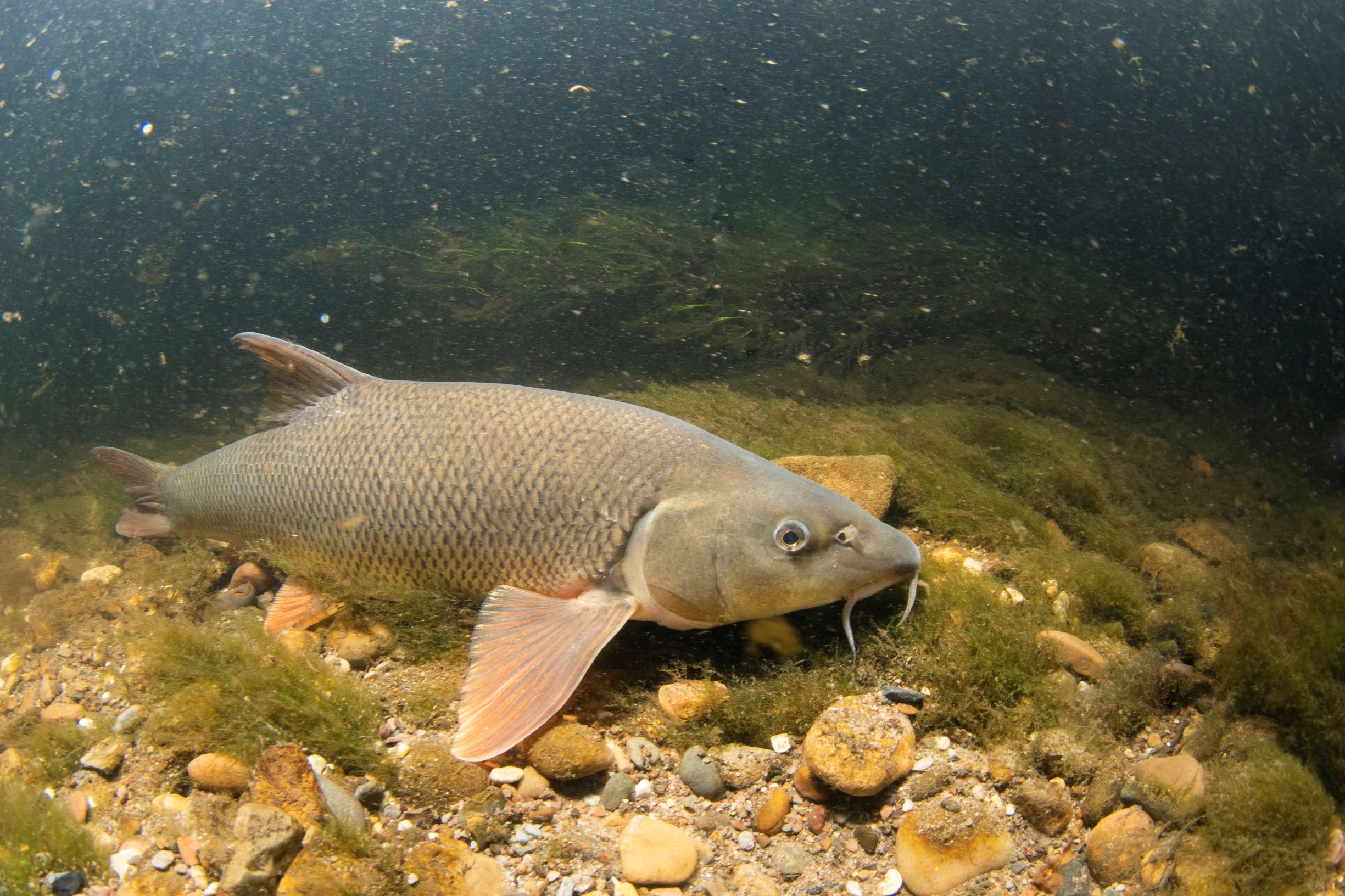
Barbus barbus
Rivers with gravel or sandy bottoms, moderate to fast flow; also some canals and stillwaters with moving water or oxygenated areas.
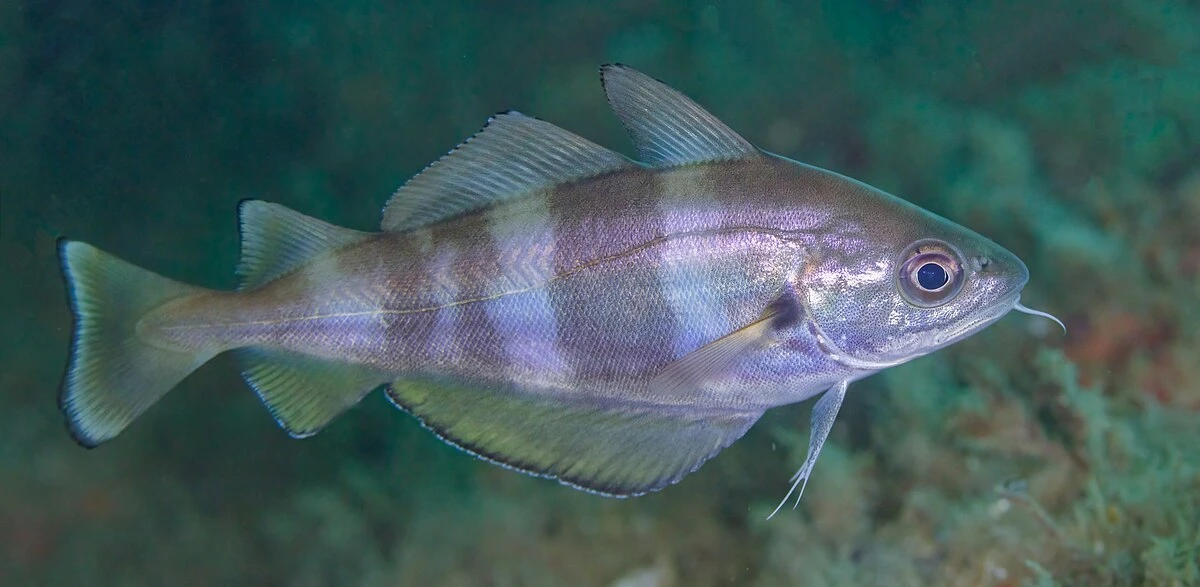
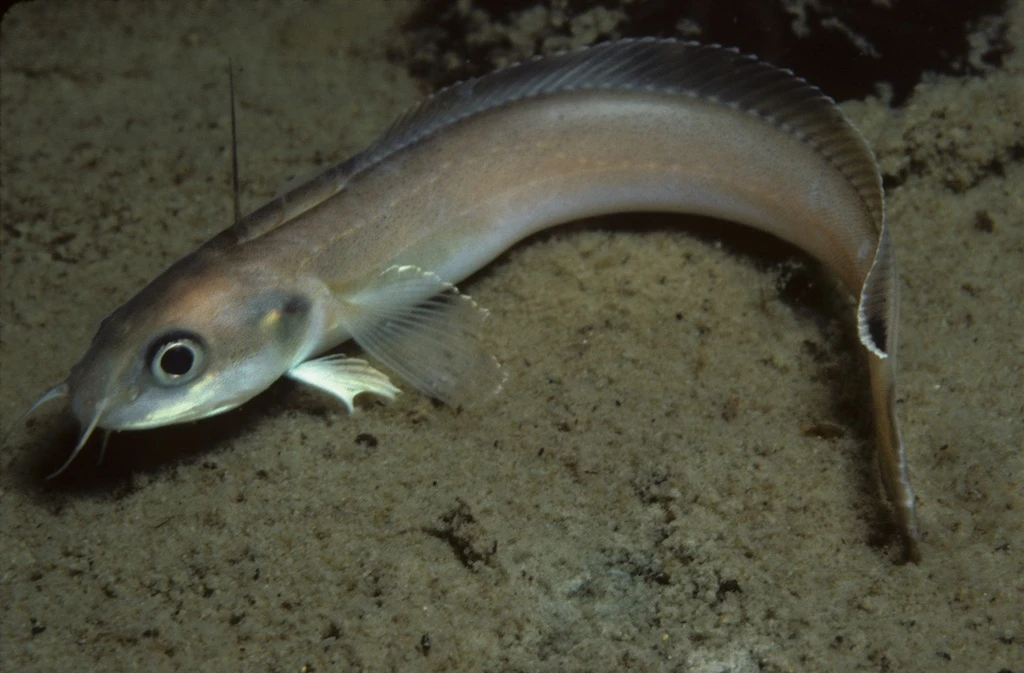
Trisopterus luscus
Deep piers, harbour walls, rocky marks, reefs, wrecks, and mixed-ground beaches.
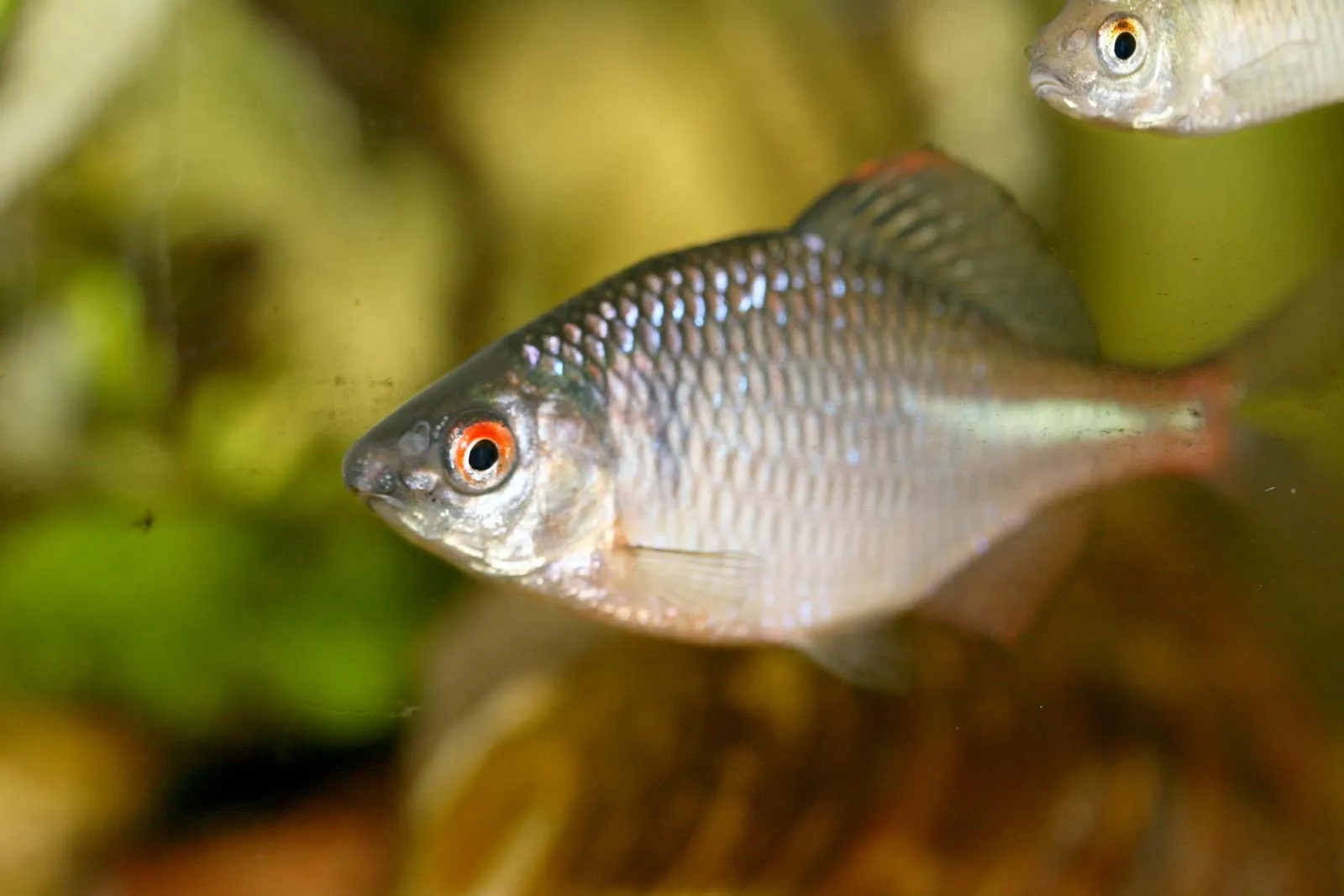
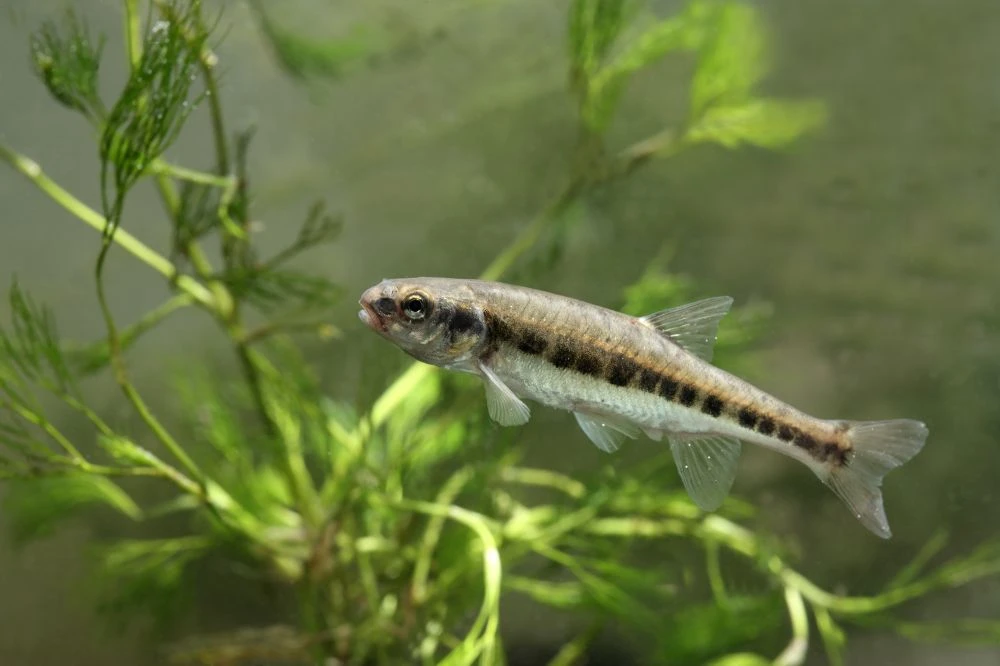
Rhodeus amarus
Quiet ponds, canals and stillwaters with plenty of weed and freshwater mussels.
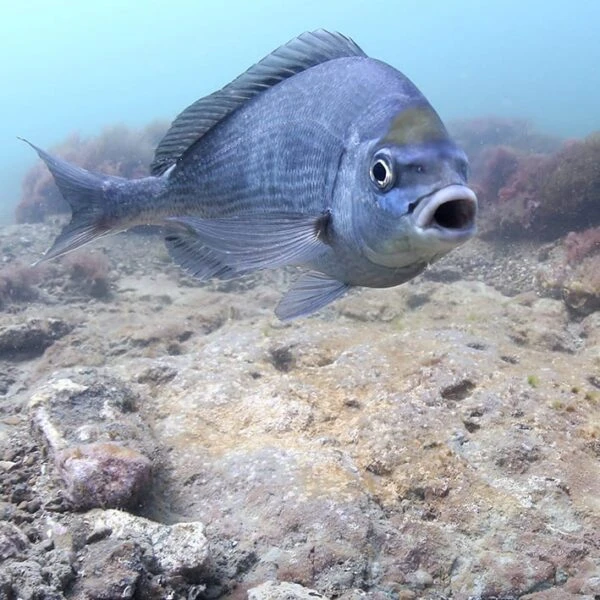
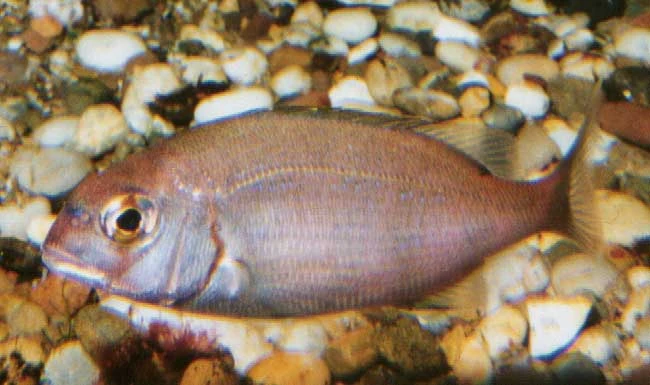
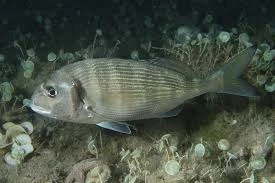
Spondyliosoma cantharus
Clean ground, mixed sand and reef areas, piers and breakwaters near structure, offshore reefs and wreck edges.
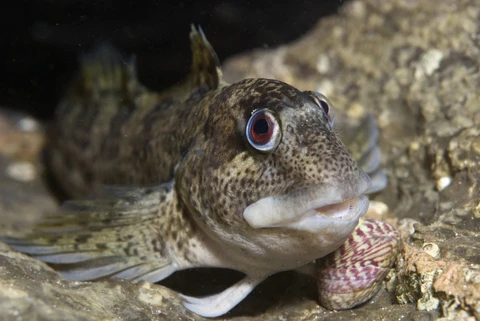
Lipophrys pholis
Rockpools, rocky shores, harbour walls, breakwaters, piers with algae-covered structure.
Abramis brama
Slow rivers, canals, stillwaters and commercial lakes with soft bottoms.
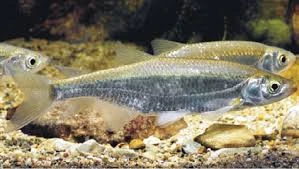
Blicca bjoerkna
Rivers, canals and stillwaters, often mixed in with roach and skimmers.
Abramis sp. / hybrid
Stillwaters, canals and slow rivers, often in mixed silverfish shoals.
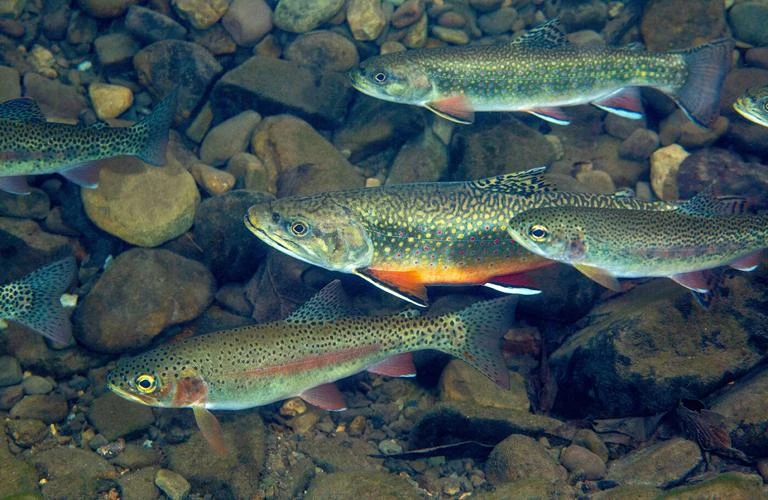
Salvelinus fontinalis
Small streams and stillwaters where stocked, often upland or clear waters.
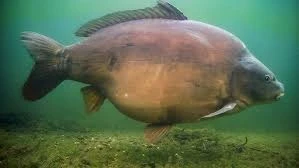
Cyprinus carpio
Commercial carp lakes, club stillwaters, gravel pits and slow canals.
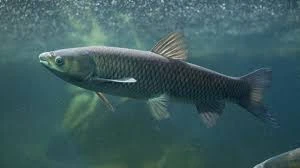
Ctenopharyngodon idella
Warm stillwaters and lakes where stocked as a sport or weed control fish.
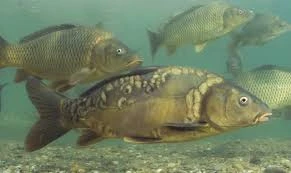
Cyprinus carpio
Carp fisheries and commercial lakes where stocked as part of carp mix.
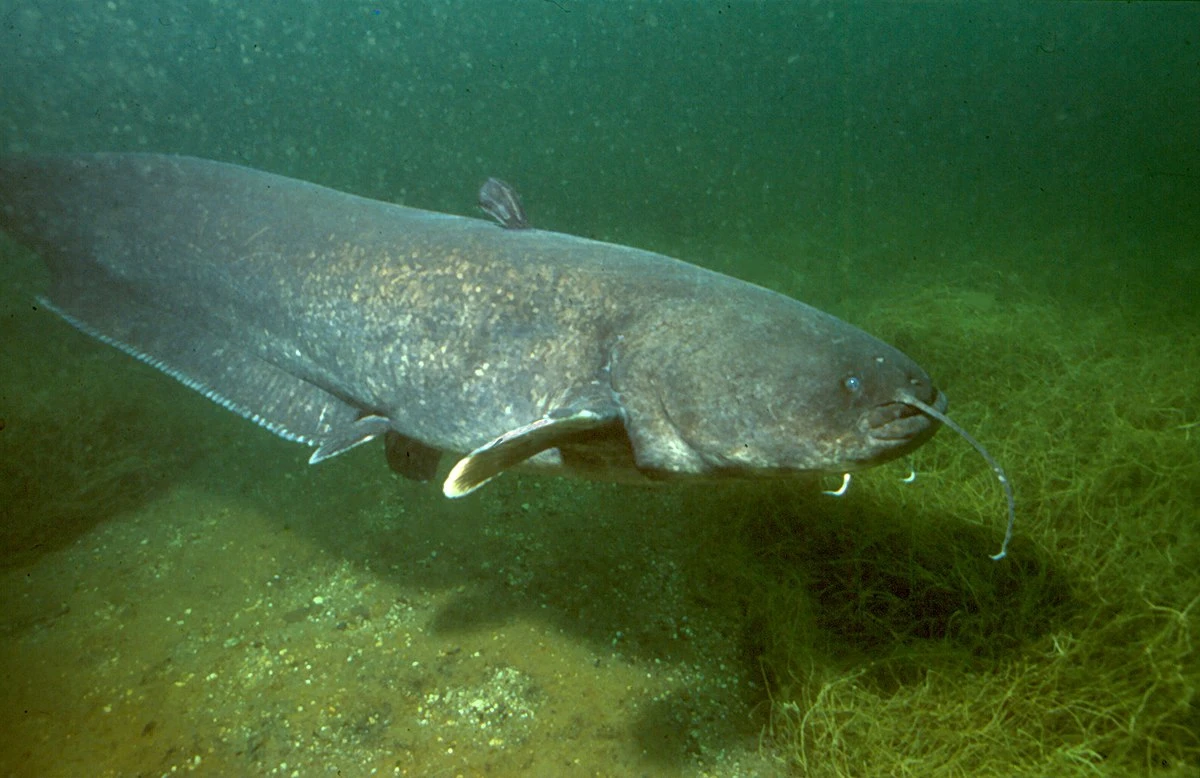
Silurus glanis
Large stillwaters, purpose-stocked catfish lakes and some warm commercial fisheries.
Squalius cephalus
Rivers and streams with moderate to fast flow, under trees, bridges and cover.
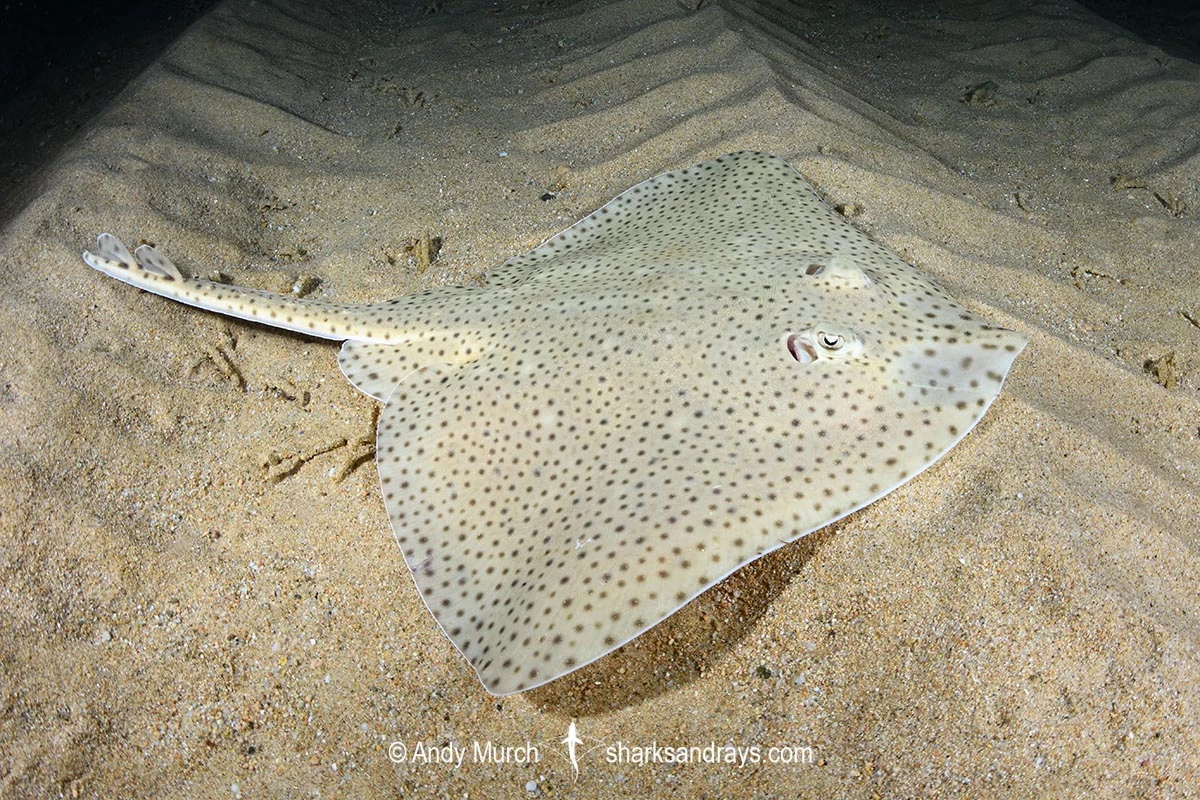
Dipturus intermedia / flossada complex
Deep offshore marks in Scottish and Irish waters.
Pagellus acarne
Rough ground, reefs and mixed sand and rock in warmer southern waters.
Leuciscus leuciscus
Rivers and streams with steady to fast flow, especially glides and shallows.
Scyliorhinus stellaris
Rough ground, reefs and kelp beds offshore and inshore.
Scyliorhinus canicula
Clean to mixed sand and gravel beaches, inshore banks and boat marks.
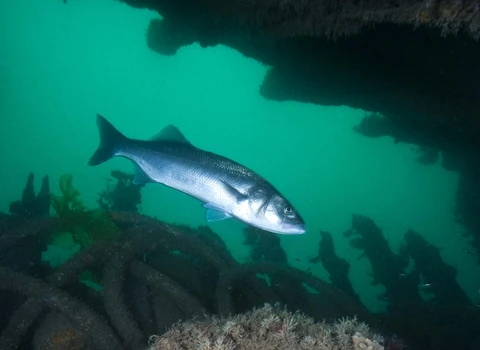
Dicentrarchus labrax
Surf beaches, rocky headlands, estuary channels and harbour mouths.
Sparus aurata
Clean sand and mixed ground, estuary mouths and rough ground marks in the south and south west.
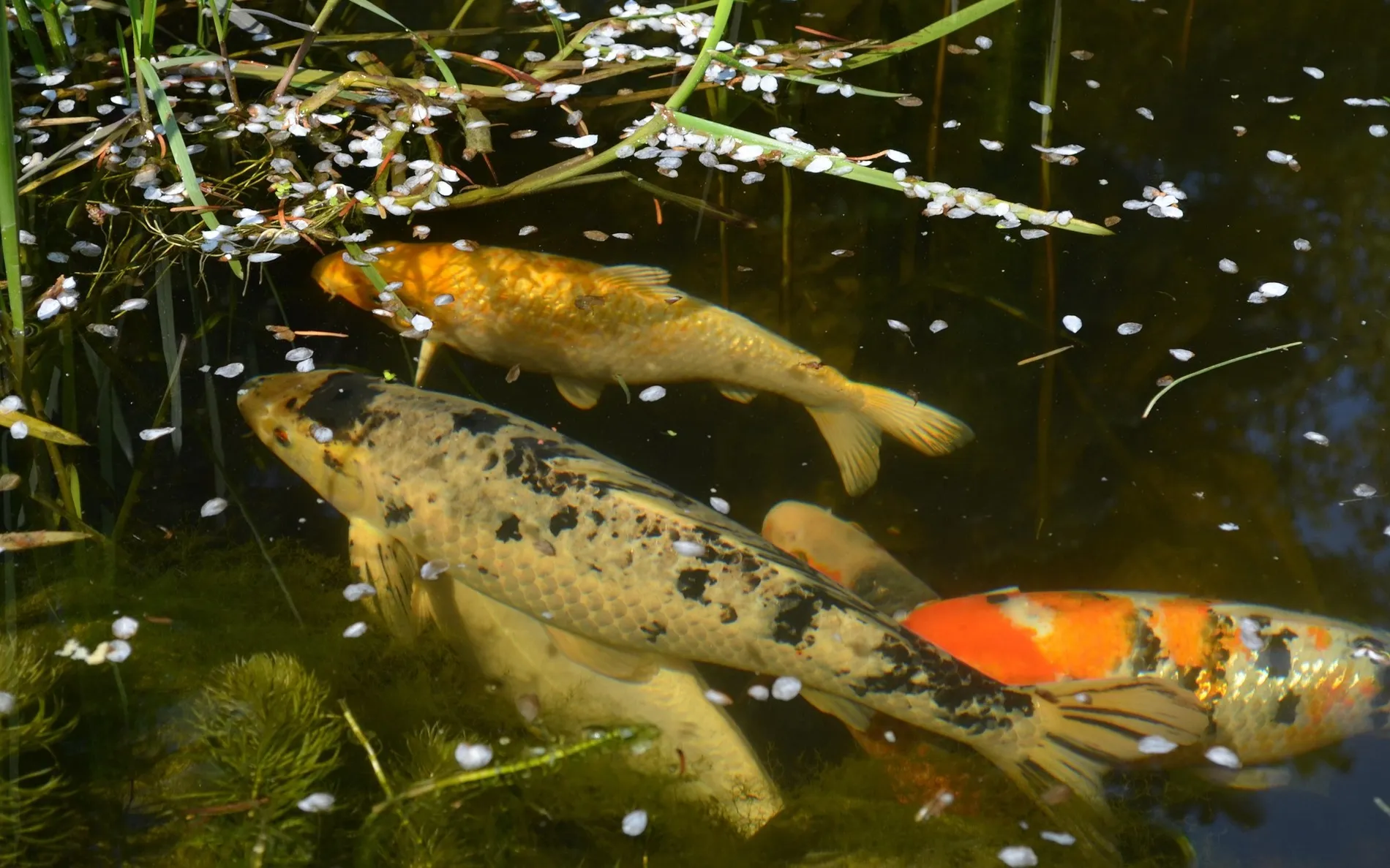
Carassius auratus (ornamental forms)
Ornamental ponds, park lakes and some commercial fisheries that stock colourful koi or goldfish.
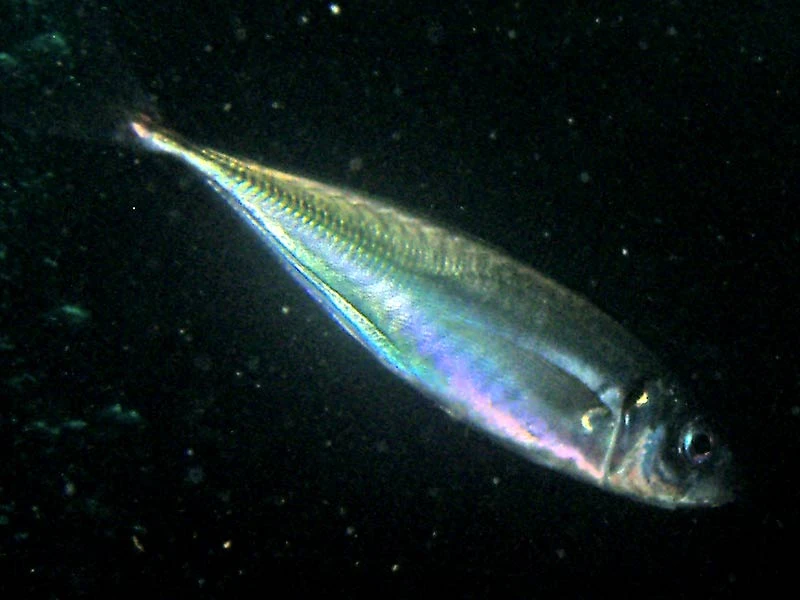
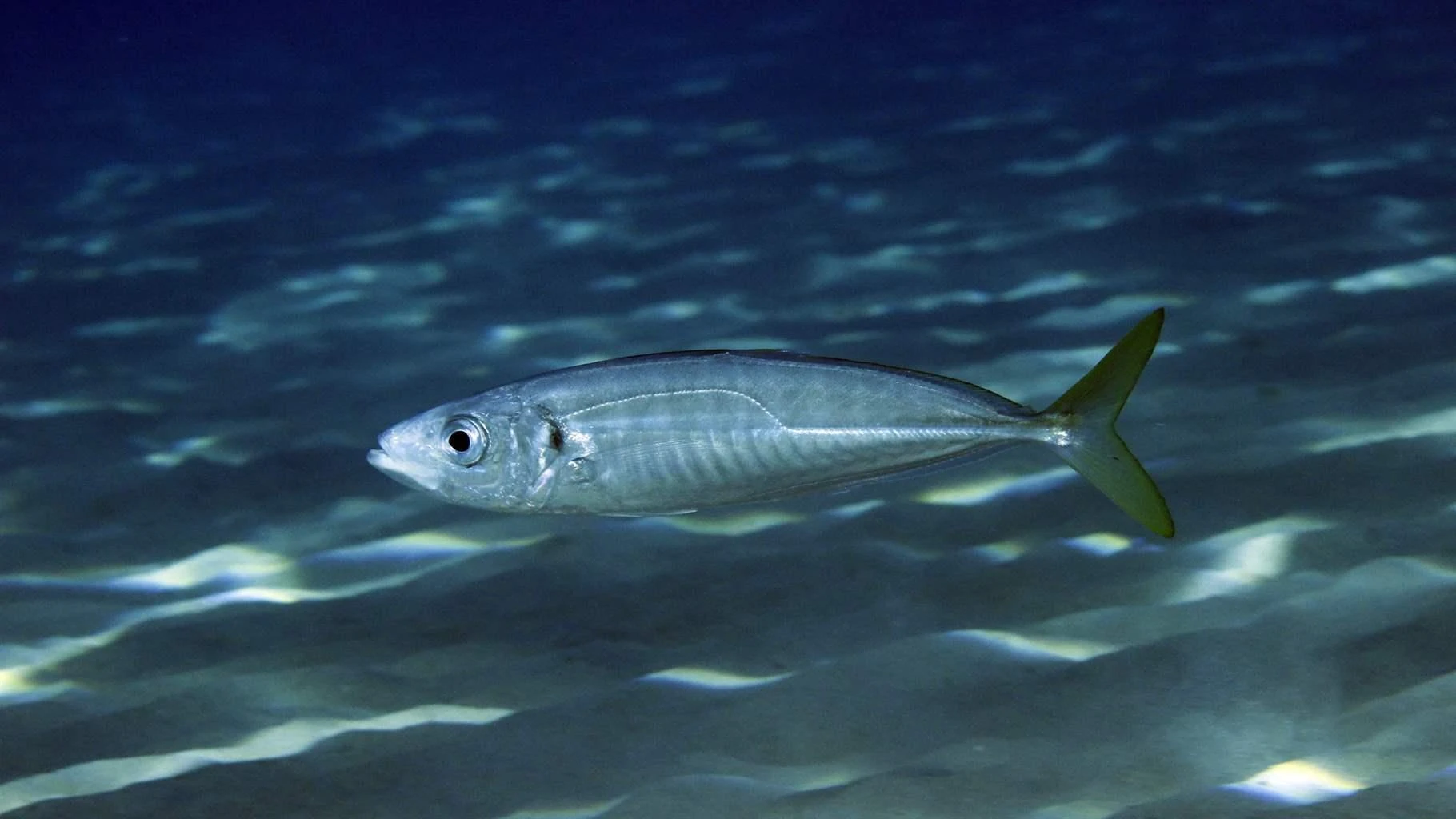
Trachurus trachurus
Harbour walls and piers, especially at night under lights.
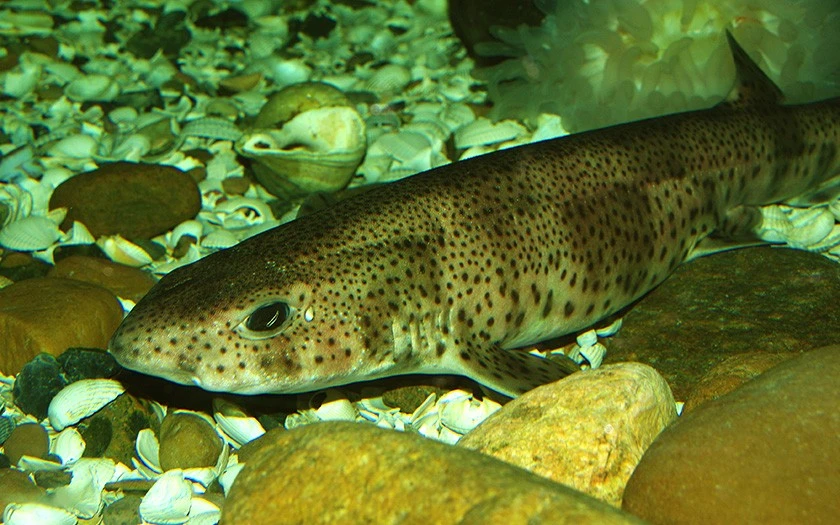
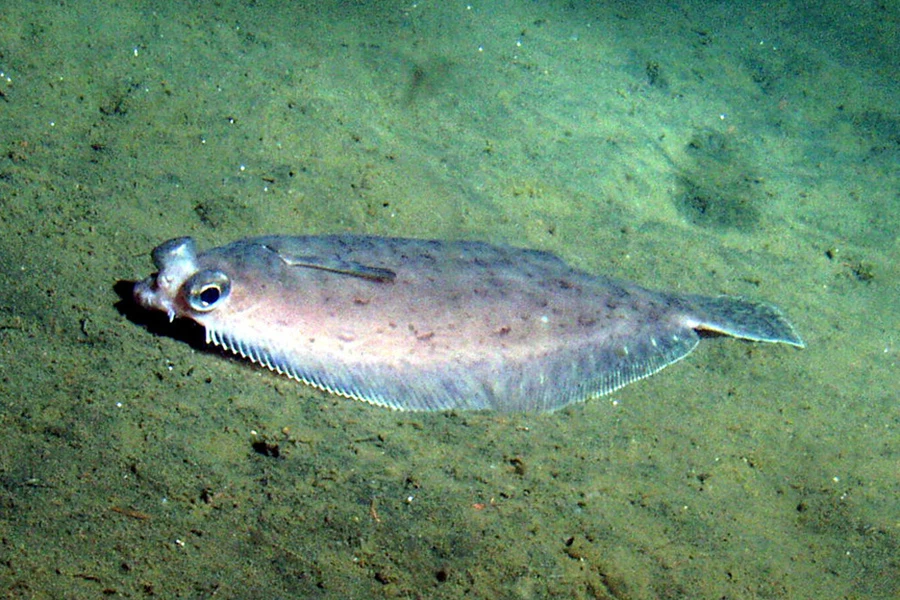
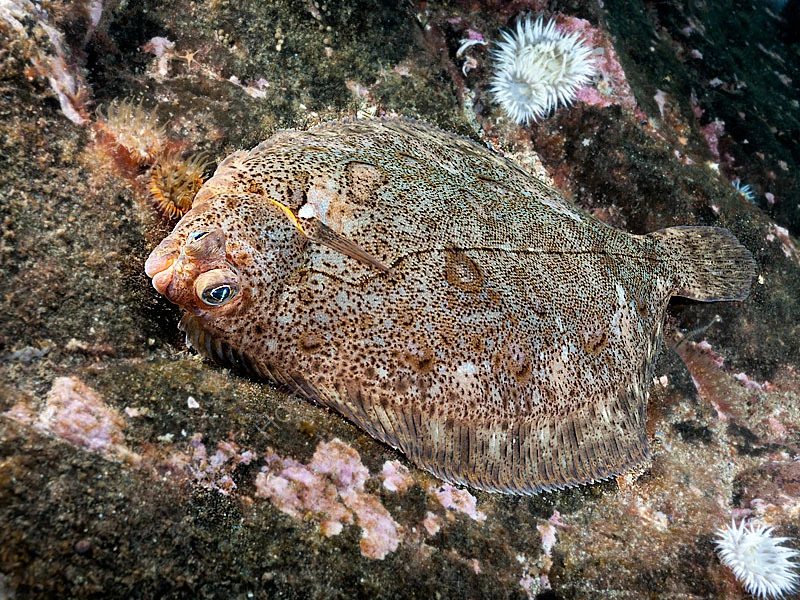
Microstomus kitt
Offshore banks, reefs and broken ground; occasional from rougher beaches.
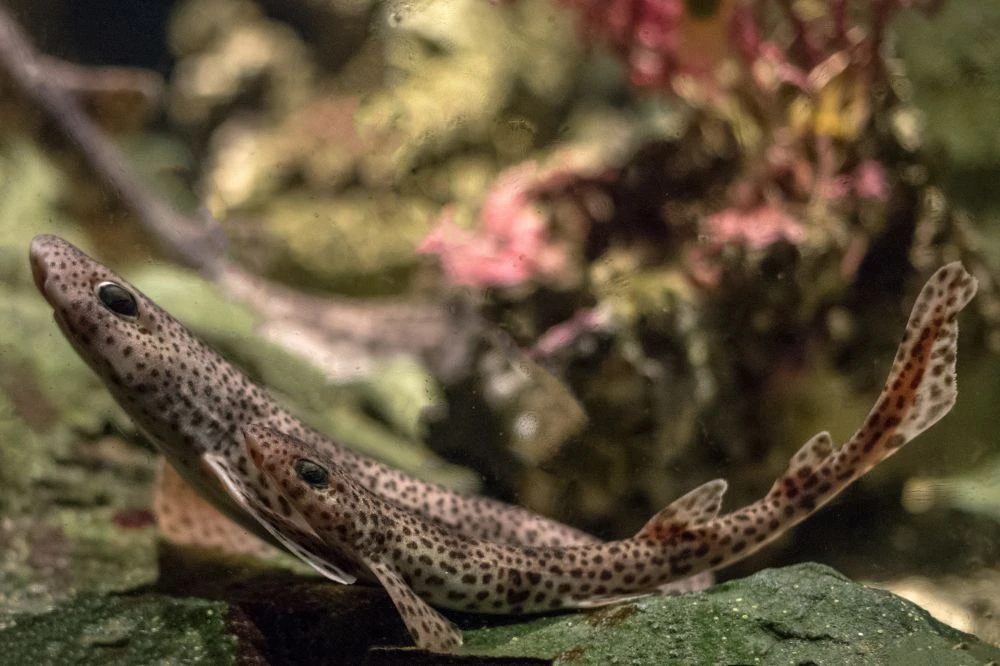
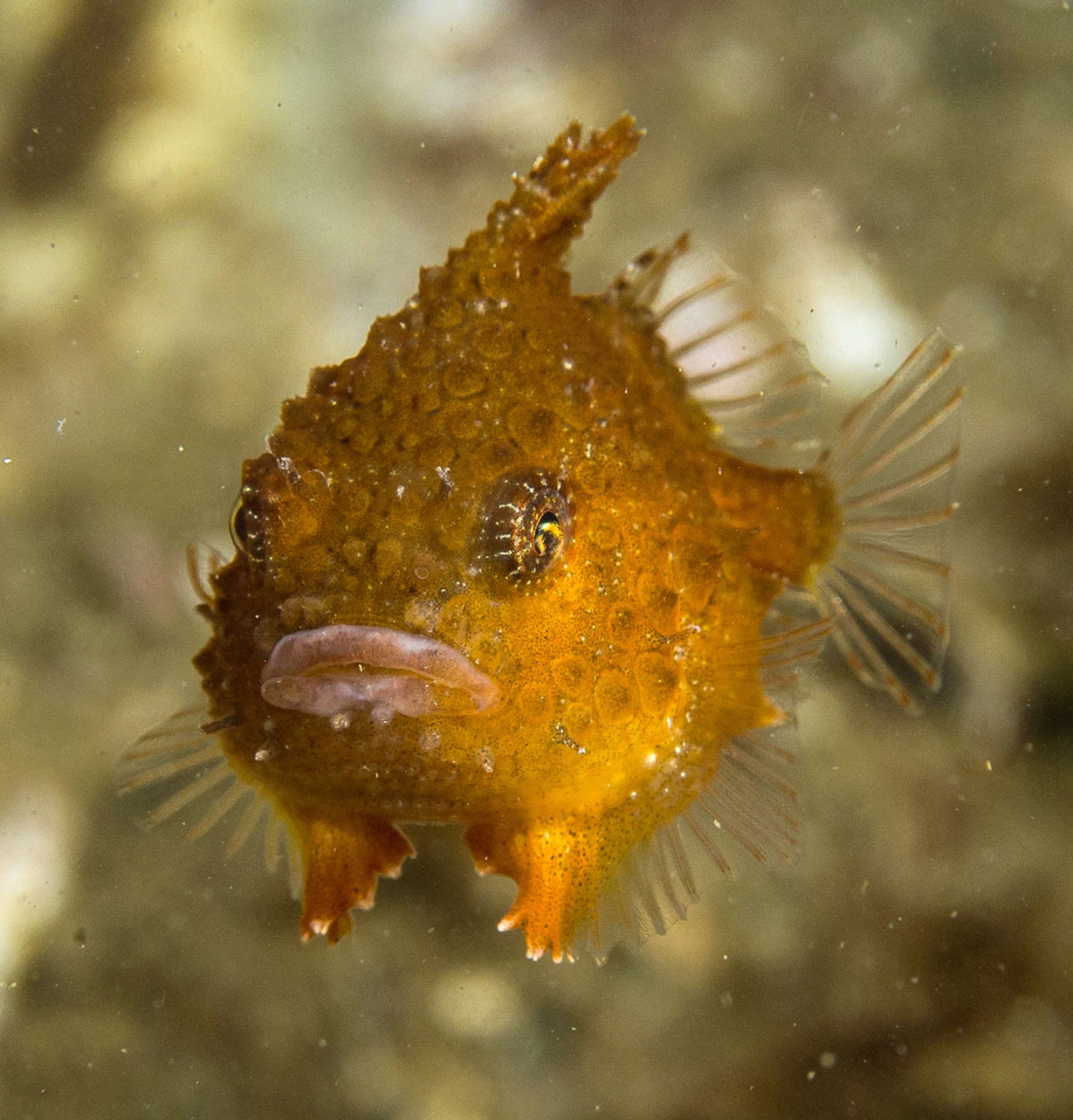
Cyclopterus lumpus
Rocky coasts, harbours and deeper inshore marks; often associated with breeding sites on rough ground.
Scardinius erythrophthalmus
Weedy ponds, stillwaters and quiet margins of lakes and drains.
Scardinius erythrophthalmus (golden form)
Decorative ponds and stillwaters where stocked as a colour variant.
Alosa fallax / Alosa alosa
Lower and middle reaches of a few rivers with strong spring runs, plus nearby estuaries.
Mustelus mustelus / asterias
Shallow sand and mixed ground beaches and banks with crab stocks.
Acipenser spp.
Commercial and specimen lakes where sturgeon or sterlet have been stocked.
Acipenser spp.
Commercial and specimen lakes where sturgeon or sterlet have been stocked.
Tinca tinca (golden form)
Stillwaters and ornamental ponds, often as feature fish for juniors.
Gasterosteus aculeatus
Ponds, ditches, streams and lake margins, especially with weed.
Coregonus lavaretus group
Deep, cold, glacial lakes with open water and clean substrates.
Use the Species Guide alongside your coaching sessions to show juniors what they’re fishing for, where those fish live, and the simple rigs and baits that work best. When young anglers can put a name and picture to the fish they are targeting, their confidence and curiosity grow much faster.
You can also turn species profiles into mini–lessons on habitat, handling and fish welfare, helping children understand why careful unhooking, correct use of landing nets and unhooking mats, and good release practice all matter for the long–term health of your venue.
Clubnest gives you a modern platform for running your angling club or fishery – from memberships, permits and ticketing to junior coaching, matches and venue information. The Species Guide plugs straight into that ecosystem, so fish profiles, health advice and coaching content are all in one place.
Many clubs now use Clubnest to replace paper membership books, manual spreadsheets and scattered social media posts. Having a structured, centralised species guide is a big part of that: it keeps information consistent across your website, app and internal coaching materials.