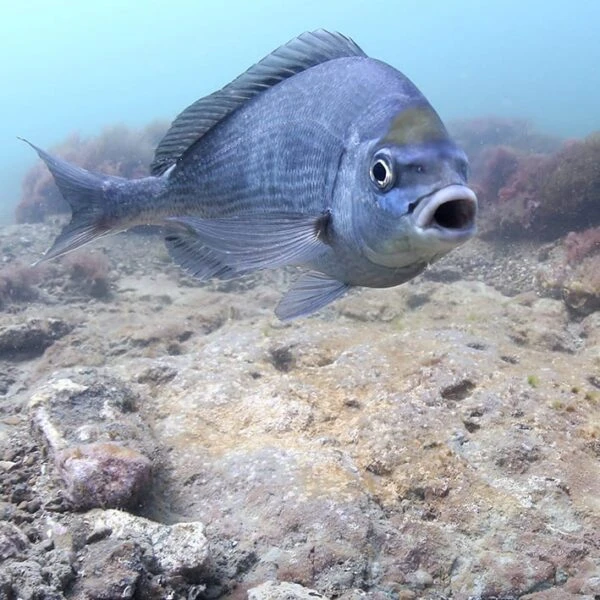
Black Bream species guide Sea fish Very easy (3/10)

Black Bream junior fishing guide

Spondyliosoma cantharus

A clear, plain-English guide to black bream for parents, coaches and juniors. See where they live, the best starter tackle, simple bait choices and a three-step plan to help young anglers catch their first one safely.

Junior-first & welfare-aware 3-step beginner plan UK venues & seasons
Skill & size Seasons Beginner baits

Skill level

Very easy (3/10)

Perfect for first-ever fishing trips with young juniors.

Best time

Spring–Autumn

Pick mild, settled days for junior sessions.

Typical size

Commonly 25–35 cm (1–2 lb); larger fish up to 45 cm and 3–4 lb possible.

Always match hooks, nets & lines to expected fish size.

Black Bream

Beginner baits

Maggots, worms, bread

Keep it simple — small hook baits, little-and-often feeding.

Typical venues: Clean ground, mixed sand and reef areas
Scroll down for detailed tackle setups, methods and parent-friendly guidance.
Catch your first black bream with confidence

Catch your first Black Bream in 3 steps

A simple, repeatable plan juniors can follow with help from a parent, coach or older angler.

  1. Step 1

    Use clean ground and reef edges

    Black Bream are great fun on light tackle from boats or clean-ground shore marks. Choose steady platforms and avoid strong swells with juniors.

  2. Step 2

    Light lines, small hooks, steady feed

    Use small hooks with worm, squid or shellfish baits. On boats, a bit of chopped bait keeps fish interested around the rig.

  3. Step 3

    Promote catch-and-release where needed

    Explain spawning closures and minimum sizes if they apply. Encourage juniors to return smaller fish gently to protect local stocks.

Tackle setups that work

Designed with juniors and fish welfare in mind. Start with an IDEAL or GOOD setup for easier casting and safe unhooking.

👉 Swipe sideways to view different setups.

Beachcaster

Beginner tip: Use small hooks and soft baits — wait for a steady pull before lifting. Bream fight hard on light tackle!

IDEAL

Rod: 9–10 ft light beach or spinning rod (2–4 oz rating)

Reel: 4000–5000 fixed spool reel

Line: 10–15 lb mono or 20 lb braid with 12–15 lb fluorocarbon trace

Terminal tackle

  • ["2-hook flapper"
  • "running ledger with size 2–4 hooks"
  • "ragworm"
  • "squid strip"
  • "mackerel"
  • "mussel"]

Extras

  • ["Light grip lead"
  • "bait elastic"
  • "glow beads"
  • "attractors"
  • "spare hook snoods"]

"Bream like movement \u2014 keep the rig mobile and avoid over-heavy leads. Gentle bites are common \u2014 don\u2019t strike too soon."

Boat Rod

Beginner tip: Keep contact with your weight — lift gently to feel the fish before reeling.

GOOD

Rod: 6–8 ft 12–20 lb class boat rod

Reel: Small multiplier or 4000–5000 fixed spool

Line: 20 lb braid with 15 lb fluorocarbon trace

Terminal tackle

  • ["2-hook paternoster"
  • "wishbone rig"
  • "small size 2 hooks"
  • "worm"
  • "squid"]

Extras

  • ["Light leads (1–4 oz)"
  • "bait elastic"
  • "barbless hooks optional"]

"Drop to the seabed then lift slightly \u2014 bites often come as quick rattles."

About the Black Bream

The Black Bream is a sleek, silver–blue sea bream with dark vertical stripes and a distinctive small mouth built for precision feeding. Found around rocky and sandy areas, bream gather in shoals during the warmer months. They are agile, strong fighters that test light tackle and reward careful presentation. Males guard their nests during spawning, showing dark colouring. Because they are delicate spawners, careful handling and quick release are encouraged. 

Junior tip

Black Bream love small baits and light gear! Fish near rocks or over clean sand with ragworm or small squid strips. Keep your bait moving slowly — you’ll feel quick taps before a firm pull. Be patient and strike smoothly! 

Logged a Black Bream recently?

Add a catch report so juniors can see where they’re being caught, which baits work and how your tackle was set up.

Want to discover more species? Browse the full species guide.