Fish health advice For clubs & fisheries Junior-friendly

Fish Health Advice for Angling Clubs & Fisheries

A practical library of fish diseases, parasites, bacterial and fungal infections, plus wider biosecurity guidance. Written for fishery managers, bailiffs, coaches and junior groups who want to spot problems early and protect the long–term health of their waters.

Aligned with EA reporting Supports coaching & junior welfare Linked to your Species Guide
Diseases & parasites Biosecurity Junior coaching

Issues covered

14 guides

From parasites and viruses to water quality and fish kills.

Categories

2 key areas

Regulation, parasites, bacteria, biosecurity & more.

Notifiable flags

3 notifiable

Highlighted where EA reporting is critical.

Risk level badges

🟢 Low 🟡 Medium 🟠 High 🔴 Critical

Use the colour and label to judge urgency and when to escalate to the EA or a fish health specialist.

Guidance, not a diagnosis

These pages support decision-making on the bank but do not replace veterinary or Environment Agency advice.

Scroll down to see how to use this library, reporting advice and a full category breakdown.
Build fish welfare into everyday fishing

About this fish health advice library

This fish health advice library brings together clear, practical information on common fish diseases, parasites, bacterial and fungal infections, as well as wider biosecurity and stocking guidance. It is designed for angling clubs, commercial fisheries, coaches and junior groups who want to spot problems early, minimise fish mortalities and protect the long–term health of their waters.

Each health issue page explains what to look for on the fish, how serious the condition is, and the simple steps fishery managers, bailiffs and coaches can take when something doesn’t look right. Where relevant, issues are linked directly to the species in your Clubnest Species Guide, so that juniors and new anglers see health information alongside their normal fishing content.

Important: This information is for guidance only and does not replace advice from the Environment Agency, vets or professional fish health specialists. If you suspect a serious or notifiable disease, always follow the current guidance from the Environment Agency and relevant authorities.

How to use this fish health library

  • Start from a species: When viewing a fish in the Species Guide, scroll to the Fish Health & EA Advice section to see issues that commonly affect that species.
  • Browse by category below: Use the sections on this page to explore parasites, viral diseases, bacterial and fungal problems, salmonid issues, non-native species and biosecurity topics.
  • Look at the severity badge: The coloured risk badges (low, medium, high, critical) give a quick indication of how serious a condition may be and when you should escalate it.
  • Use with junior coaching: Many clubs use this library as a teaching tool so young anglers learn what healthy fish should look like and how to report issues responsibly.
Parasite 9 issues

Parasites are one of the most common issues anglers see on fish. From visible lice and leeches to microscopic skin and gill parasites, these guides explain the signs to look for and how to manage outbreaks in stillwaters and rivers.

Anguillicoloides crassus
🟠 High risk

Anguillicoloides crassus

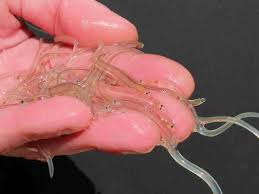
Anguillicoloides crassus (we’ll call it A. crassus) is a tiny worm that lives inside the swim bladder of European eels. The swim bladder is like the eel’s built-in buoyancy aid — it helps them float, dive and swim properly. This parasite isn’t originally from Europe. It arrived in the 1980s when eels were moved around for fish farming, and has now spread across many rivers and lakes in the UK. Sadly, it’s now one of the biggest health threats our eels face.

Linked species: Eel

Argulus mongolianus
🟠 High risk

Argulus mongolianus

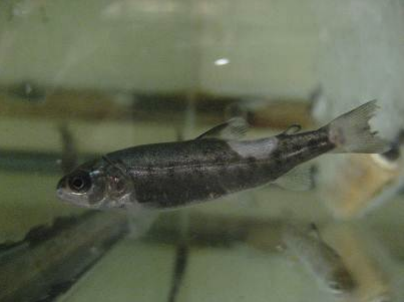
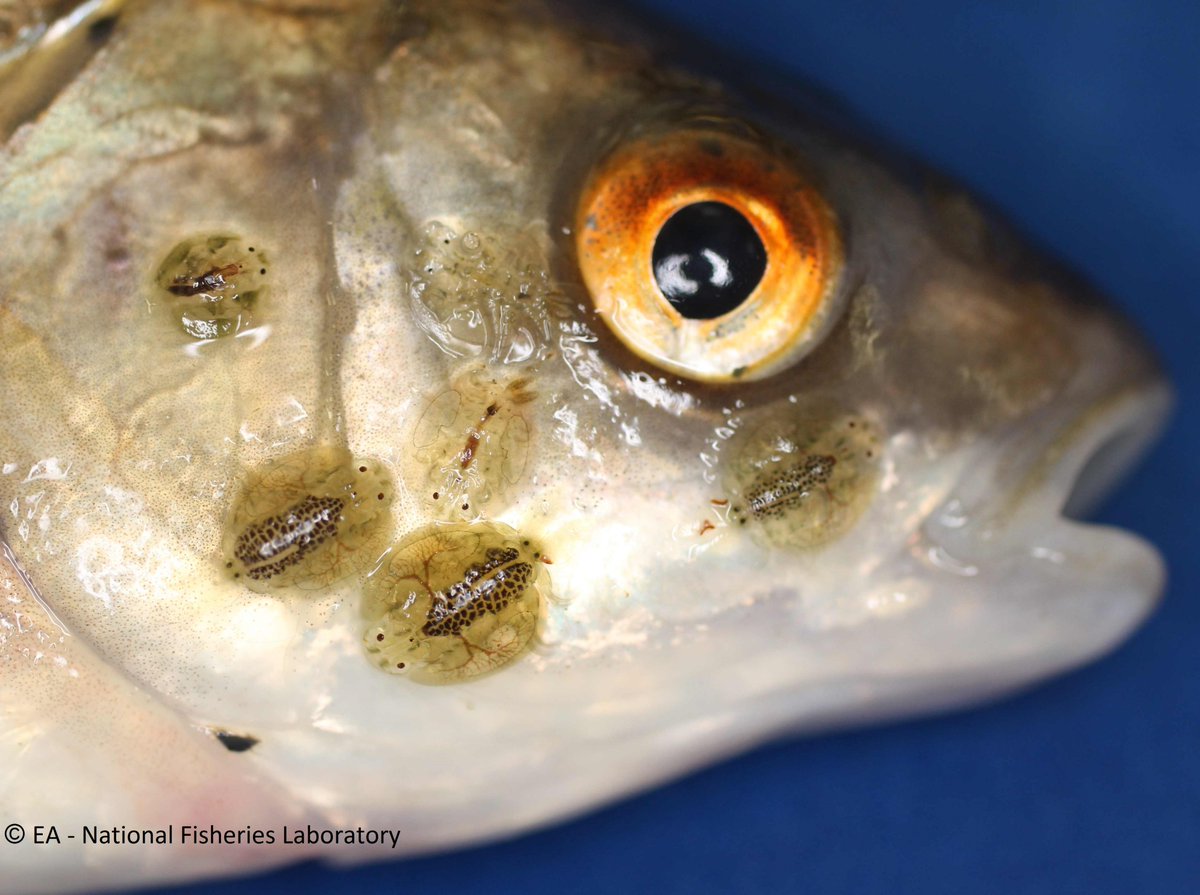
Argulus mongolianus is a newly discovered fish louse recently found in the UK. It attaches mainly to the gills, mouth, and head of fish, causing irritation, stress, and sometimes deaths. It has already been confirmed in carp, roach, and bream, and may infect all freshwater species. Because it is new and potentially harmful, reporting any suspicious lice or fish behaviour is very important.

Linked species: Carp ( F1 Hybrid ), Barbel, Bream ( Common ) & more

Blackspot
🟢 Low risk

Blackspot

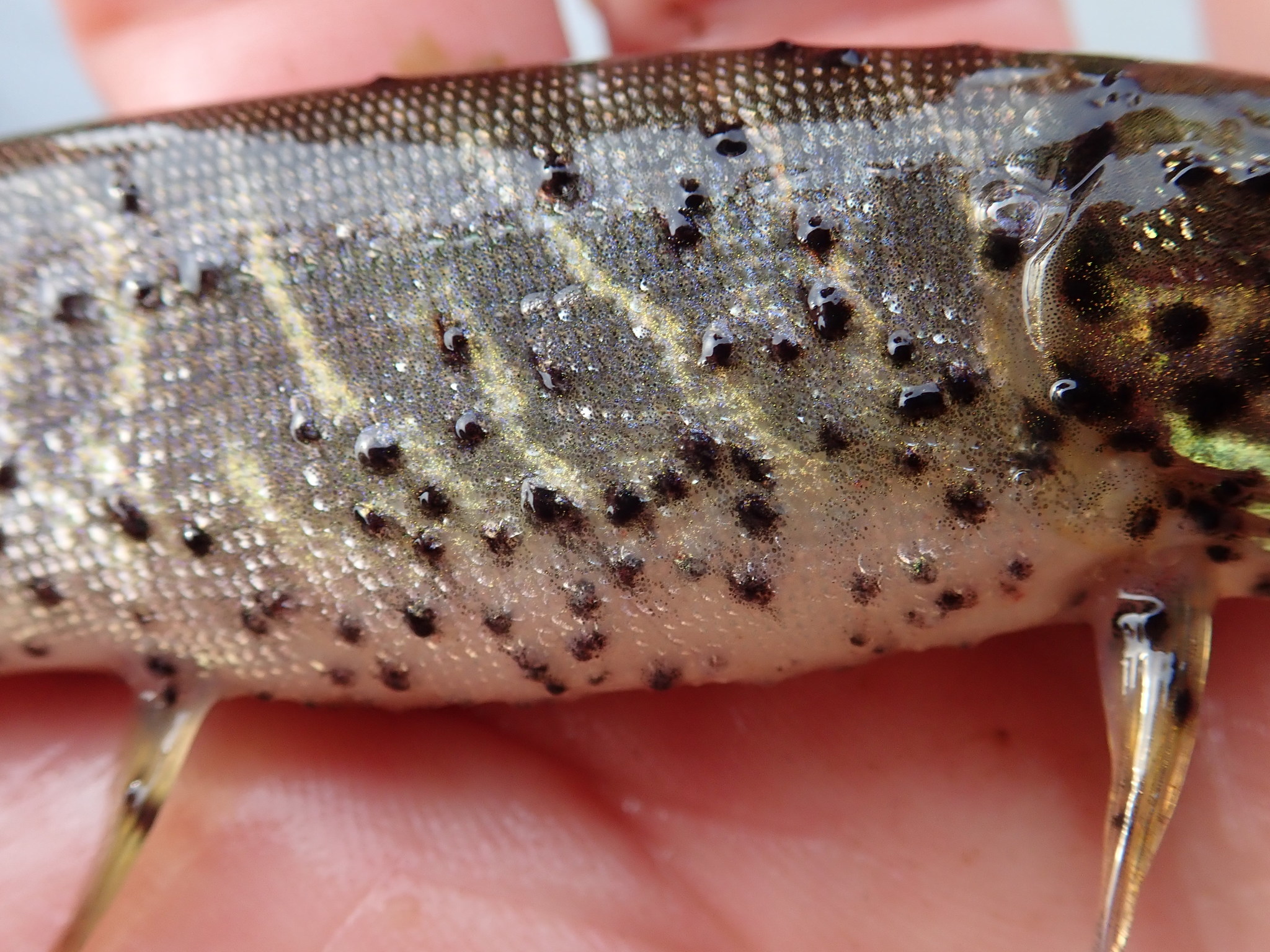
Blackspot is a common parasite that forms tiny black cysts on the skin and fins of freshwater fish. It looks alarming but is normally harmless and part of a natural cycle involving snails and birds. Only very heavy infections or small fish are affected. In most cases, blackspot is nothing to worry about.

Linked species: Carp ( F1 Hybrid ), Barbel, Bream ( Common ) & more

Chilodonella
🟠 High risk

Chilodonella

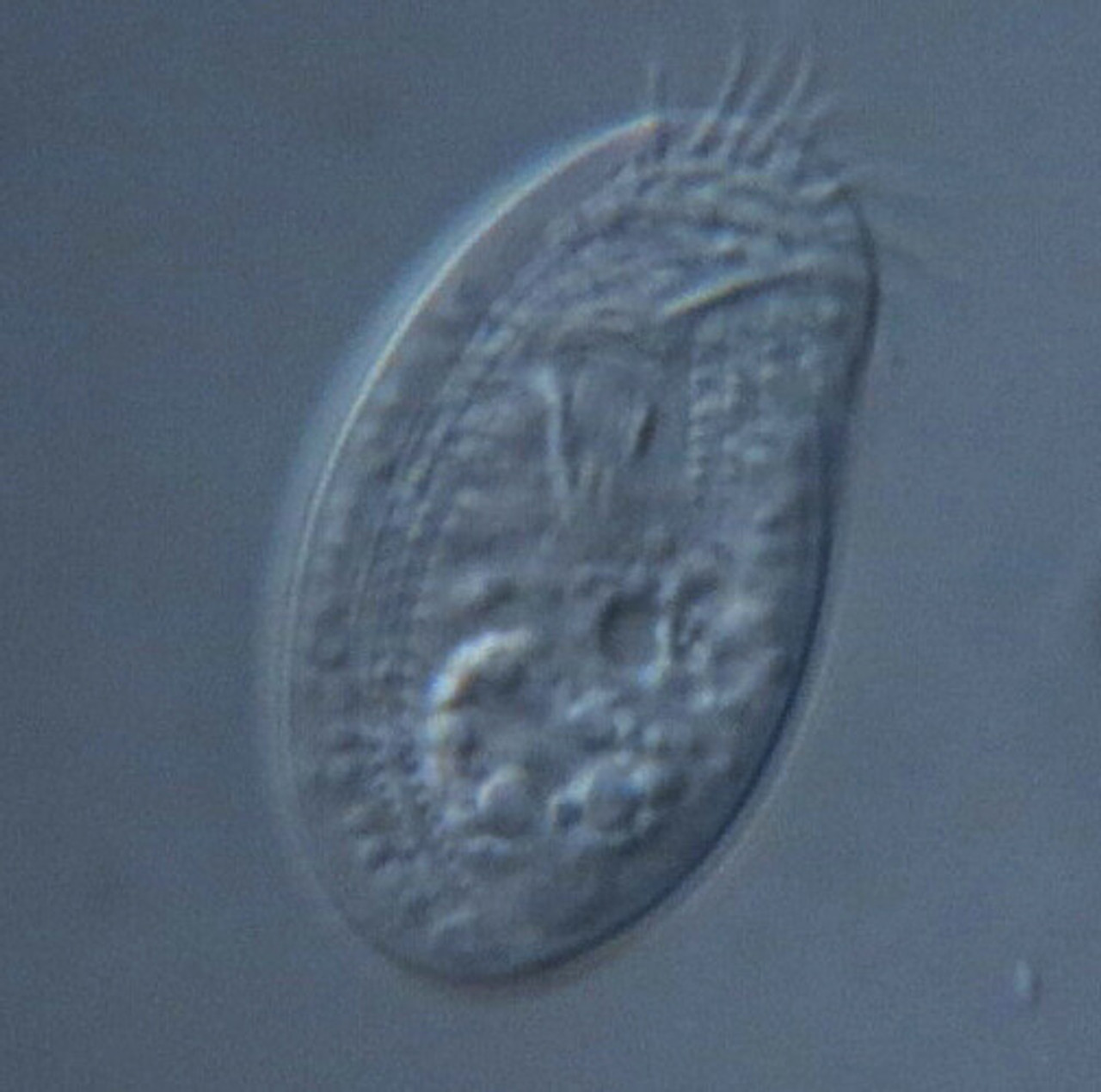
Chilodonella is a fast-spreading parasite that attacks the skin and gills of freshwater fish. It can cause heavy mucus, grey patches, breathing problems, and even death if untreated. It thrives in poor water quality, overcrowded waters, and when fish are stressed. Good fishery management is the best way to prevent outbreaks.

Linked species: Carp ( F1 Hybrid ), Sturgeon ( Sterlet / Hybrid ), Sturgeon ( Sterlet / Hybrid ) & more

Ergasilus briani
🟡 Medium risk

Ergasilus briani

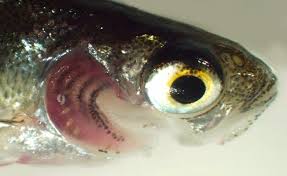
Ergasilus briani is a tiny parasitic crustacean that sticks to a fish’s gills, a bit like a microscopic crab. It irritates the gills and makes it harder for fish to breathe. Heavy infections can stress the fish and slow them down.

Linked species: Barbel, Bleak, Bream ( Common ) & more

Ergasilus sieboldi
🟠 High risk

Ergasilus sieboldi

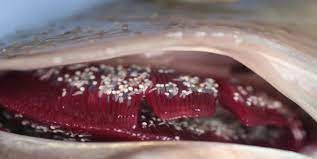
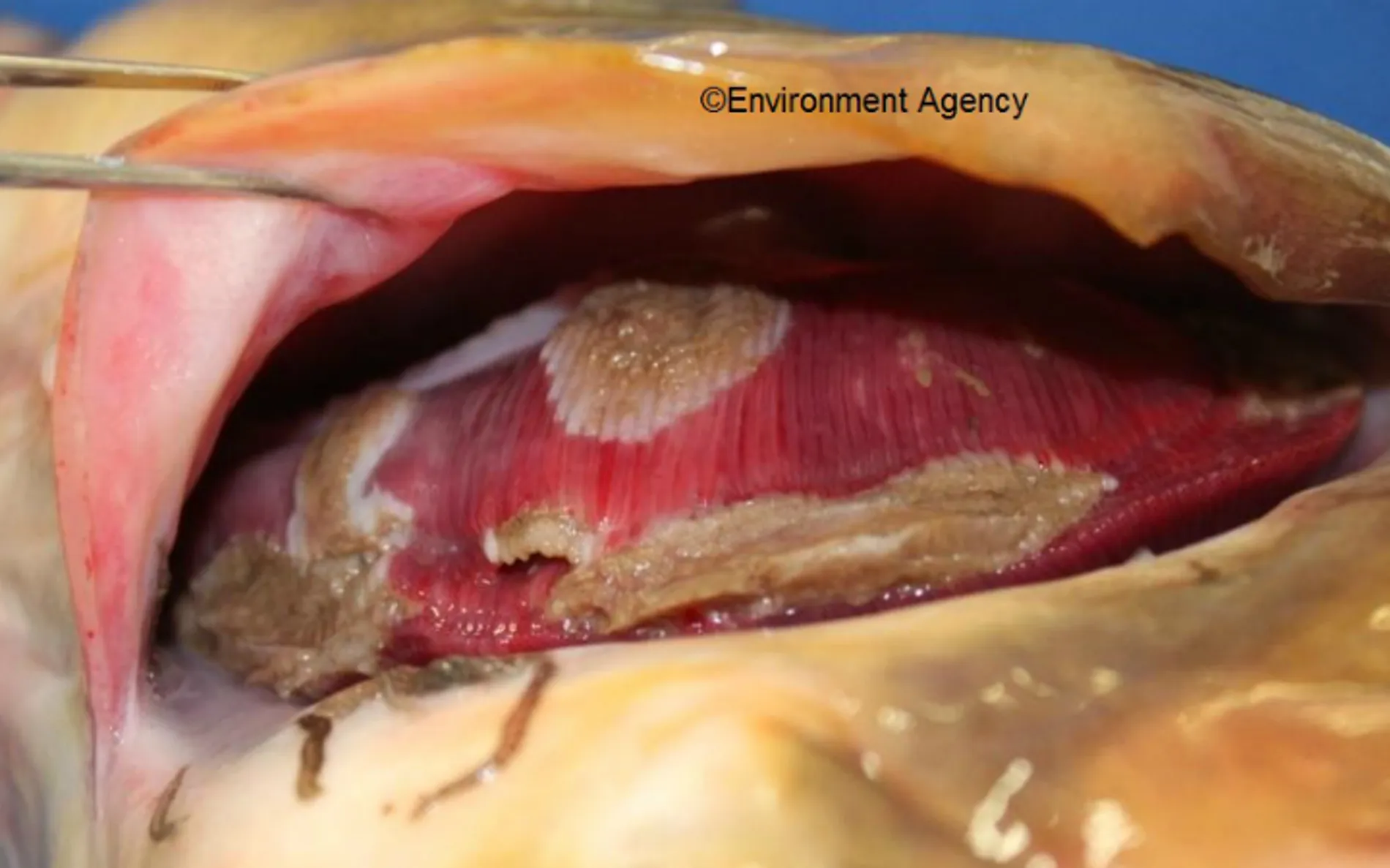
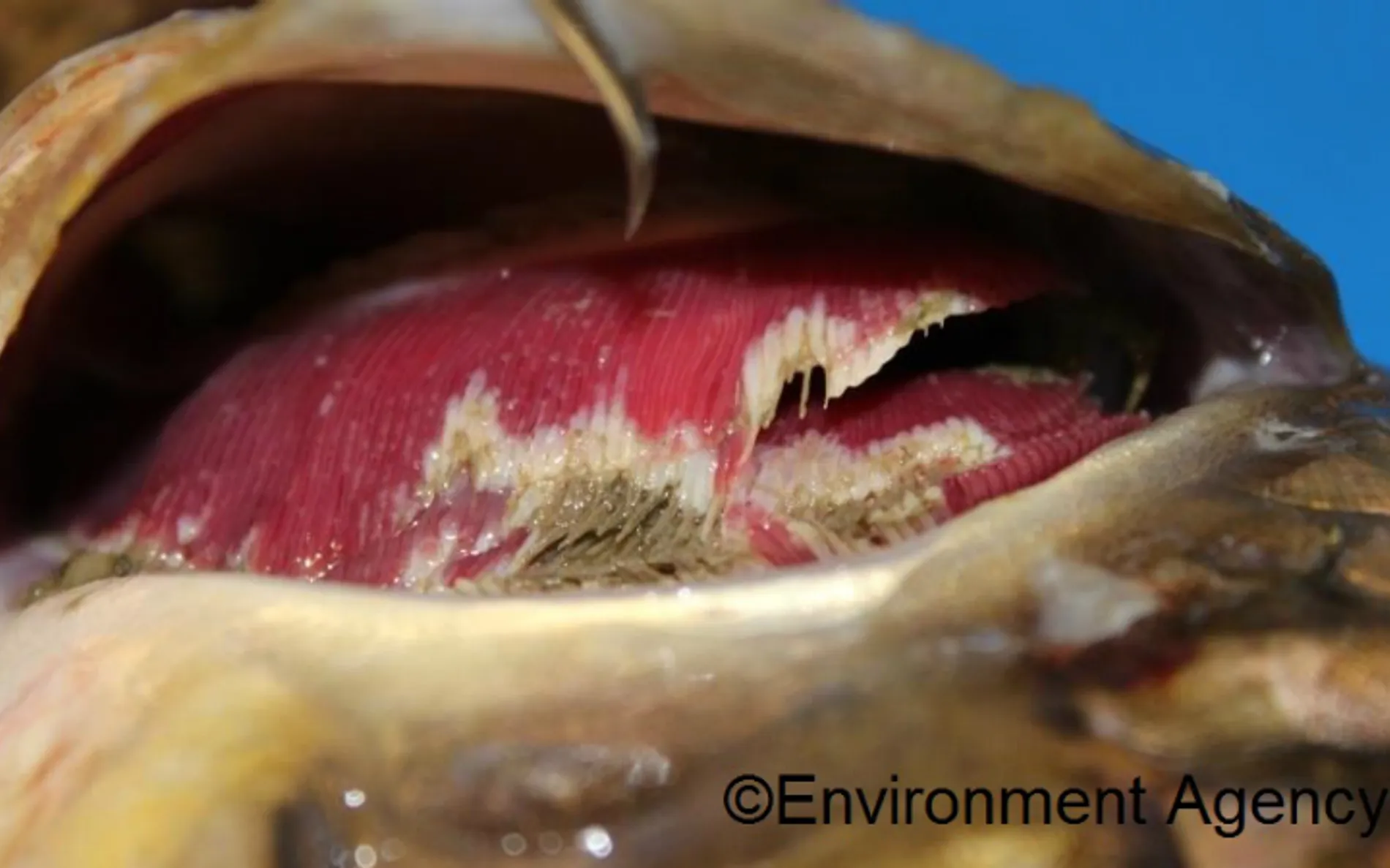
Ergasilus sieboldi, also known as the gill maggot, is a tiny parasite that attaches to the gills of freshwater fish. The adult females have long white egg sacs that trail behind them, making them easy to spot. They feed on the fish’s gill tissue, blood and mucus, which makes it harder for the fish to breathe and stay healthy. Heavy infections can cause fish to become tired, lose weight, grow slowly, or even die — especially in warm weather. This parasite can spread quickly through a fishery, so good fishery management and strong biosecurity are really important to keep fish safe.

Linked species: Bream ( Common ), Bream ( Silver ), Bream ( White ) & more

Gyrodactylus sprostonae
🟠 High risk

Gyrodactylus sprostonae

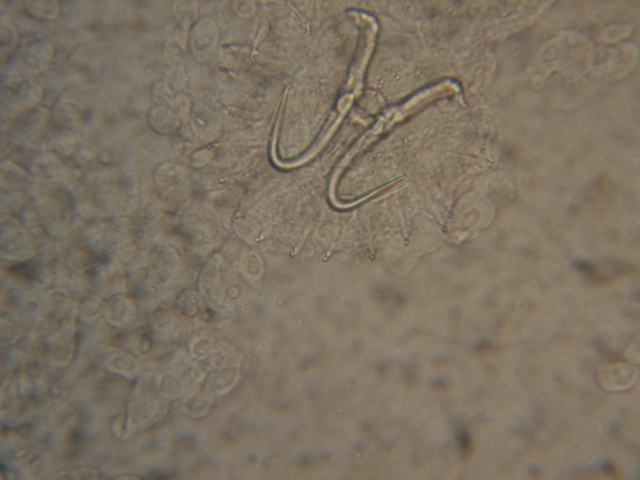
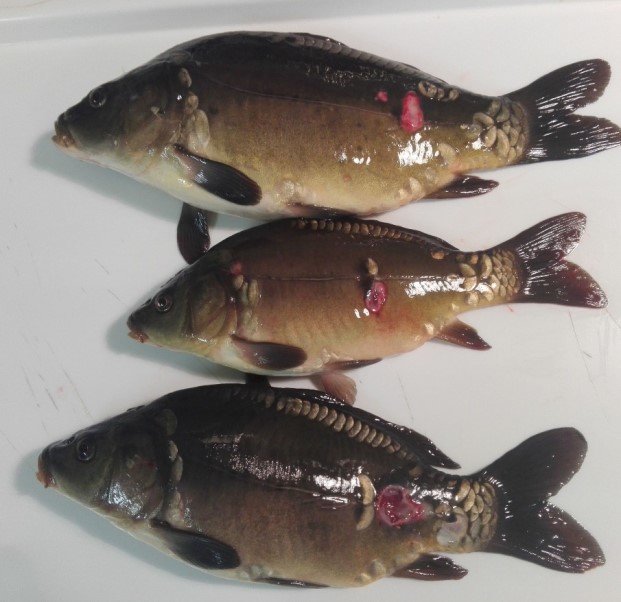
Gyrodactylus sprostonae is a newly recognised gill fluke causing major carp deaths in the UK. It reproduces extremely quickly, attaches to the gills, and can cause severe breathing problems and mortality. It mainly affects carp and crucians and is considered a serious emerging parasite. Good fishery management and quick reporting are essential.

Linked species: Carp ( F1 Hybrid ), Carp ( Common ), Carp ( Crucian ) & more

Ichthyobodo necator
🟠 High risk

ichthyobodo necator

Ichthyobodo necator (Costia) is a rapidly spreading parasite that attacks a fish’s skin and gills. It causes lethargy, breathing problems, weight loss, and can be deadly—especially for young or stressed fish. It thrives in both cold and warm water, so good management and low-stress conditions are essential to prevent outbreaks.

Linked species: Carp ( F1 Hybrid ), Barbel, Bleak & more

Schyzocotyle acheilognathi
🟠 High risk

Schyzocotyle acheilognathi

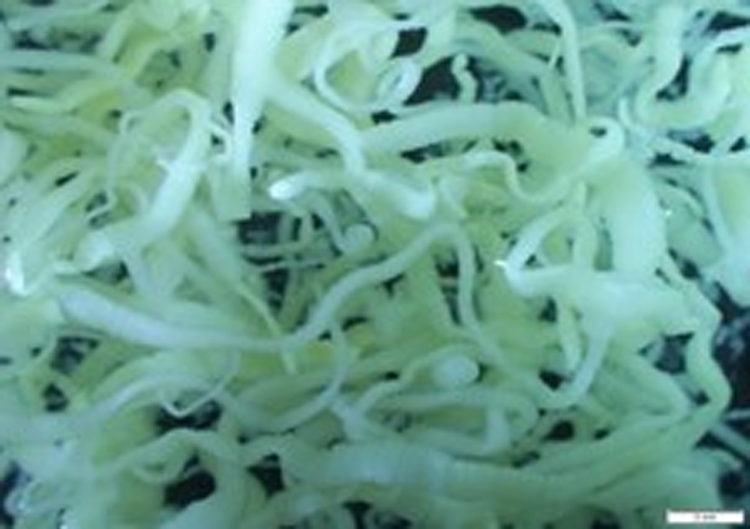
Schyzocotyle acheilognathi, or the Asian tapeworm, is a long ribbon-like parasite that lives inside the intestines of carp and other freshwater fish. It attaches to the gut wall and steals the fish’s food, which can slow their growth, weaken them, and even block the intestine completely. Young fish are especially at risk, and heavy infections can cause serious health problems or death, so good fishery management and biosecurity are important to stop it spreading.

Linked species: Carp ( F1 Hybrid ), Bream ( Common ), Bream ( Silver ) & more

Virus 5 issues

Viral fish diseases can spread quickly and cause serious fish kills if they are not recognised early. This section covers conditions such as herpes-type viruses and other infections that may require immediate contact with the Environment Agency.

Anguillid herpesvirus
🟠 High risk ⚠️ Notifiable

Anguillid herpesvirus

Anguillid Herpesvirus (AngHV-1) is a warm-water virus that affects eels only. It attacks the gills and internal organs, making eels weak, tired, and unable to swim properly. Outbreaks usually happen in summer or when eels are stressed. Only a few cases have been found in UK rivers, but it may be more widespread, so reporting sick eels is very important.

Linked species: Eel

Carp Edema Virus
🟠 High risk ⚠️ Notifiable

Carp Edema Virus

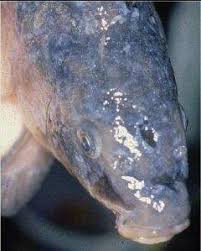
Carp Edema Virus (CEV) is a serious viral disease that affects carp, causing extreme tiredness (“sleepy carp”) and severe gill damage. It has caused sudden carp deaths in the UK and can appear in both warm and very cold temperatures. Only carp species are affected. Any signs of sleepy or dying carp should be reported immediately.

Linked species: Carp ( Common ), Carp ( Mirror )

Carp Pox
🟢 Low risk

Carp Pox

Carp pox is a common, mostly harmless virus that causes smooth white waxy patches on carp during winter and early spring. The lumps look worrying but rarely harm the fish and usually fade as the water warms up. Good water quality and low stress levels help keep the disease under control.

Linked species: Carp ( F1 Hybrid ), Carp ( Common ), Carp ( Crucian ) & more

EVEX
🟠 High risk ⚠️ Notifiable

EVEX

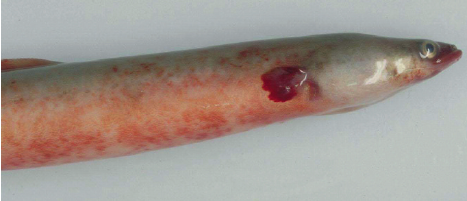
EVEX is a dangerous virus that affects only eels. It can cause bleeding, weakness, and sometimes death, and it can stop eels from reaching the Sargasso Sea to spawn. It has recently been found in wild UK eels, and early reporting of sick or dead eels is vital to help protect this endangered species.

Linked species: Eel

Koi Herpes Virus (KHV)
🟠 High risk

Koi Herpes Virus (KHV)

Koi Herpesvirus (KHV) is a serious virus that infects only carp and can cause large-scale deaths, especially in warm water. It leads to severe gill damage, breathing problems and “sleepy”, weak behaviour. The virus spreads easily on fish, nets, and water, and must be confirmed by laboratory testing. KHV is a Notifiable Disease and must be reported immediately.

Linked species: Carp ( Common ), Carp ( Mirror ), Carp ( Grass ) & more

Report Fish Disease or Pollution

If you suspect a disease outbreak, see unusual fish behaviour, or witness a pollution incident, you must contact the Environment Agency immediately. Quick reporting protects your waters and prevents further fish mortalities.

EA Incident Hotline

0800 80 70 60

24 hours · Free to call

Report an Incident

Modern Tools for Angling Clubs

Clubnest helps angling clubs manage memberships, tickets, coaching, junior sections, safeguarding, fishery information and now fish health guidance — all in one place.

  • Species guide + health issues
  • Junior coaching tools
  • Membership & ticketing
  • Venue and fishery management
Get Started with Clubnest

Fish Health FAQ for Angling Clubs

Healthy fish stocks are at the heart of every successful angling club or commercial fishery. Good fish health means better growth rates, higher survival after stocking, fewer fish kills and a better experience for both junior and adult anglers. Understanding common diseases and stress factors also helps committees make better decisions about stocking, feeding, water quality and long-term fishery planning.
Seek professional advice if you notice repeated mortalities, unusual behaviour across many fish (for example gasping at the surface, spinning, erratic swimming or mass gathering in one area), or clear signs of a serious or notifiable disease. For sudden fish kills, pollution incidents or suspected notifiable diseases, the Environment Agency incident hotline must be contacted immediately.
Junior anglers are often the first people to notice when something looks wrong. Teaching them what healthy fish should look like, how to recognise common parasites or sores, and how to report concerns responsibly helps clubs protect their waters. Many clubs now include fish welfare and basic health awareness as part of their junior coaching sessions.
Clubnest allows fish health issues to be linked directly to species in the Species Guide. This means when a coach, parent or junior angler looks up carp, roach, trout or other species, they also see any relevant health conditions, early warning signs, and practical guidance— keeping fish welfare front-and-centre alongside rigs, baits and fishing methods.