About this condition
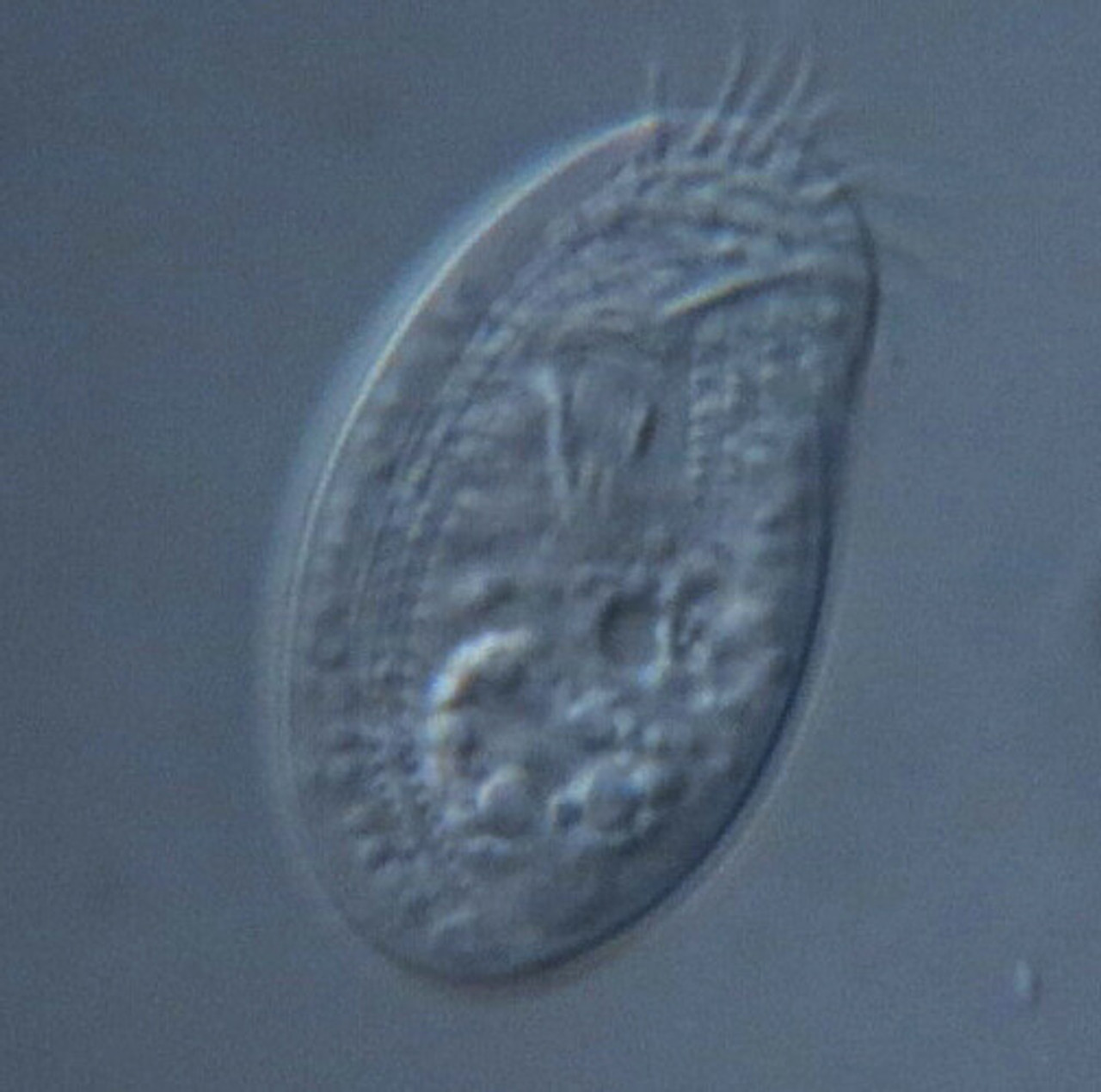
Chilodonella is a fast-spreading parasite that attacks the skin and gills of freshwater fish. It can cause heavy mucus, grey patches, breathing problems, and even death if untreated. It thrives in poor water quality, overcrowded waters, and when fish are stressed. Good fishery management is the best way to prevent outbreaks.
What is Chilodonella?
Chilodonella is a tiny, single-celled parasite that lives on the skin and gills of freshwater fish. You cannot see it without a microscope, but it can cause big problems because it multiplies very quickly in both cold and warm water.
There are two harmful species:
- Chilodonella hexasticha
- Chilodonella piscicola
Both can infect many types of fish and spread fast through a fishery.
What does Chilodonella do to fish?
Chilodonella attacks the skin and gills, causing:
- Excess mucus
- Grey, patchy appearance
- Lethargy
- Loss of condition
- Breathing problems
- Weight loss
- Hypoxia (lack of oxygen)
- Death in severe cases
In heavy infections, the parasites can cover much of the fish’s body.
The gill tissue becomes swollen and damaged, and the gill plates can stick together. This makes it very hard for the fish to breathe and can lead to suffocation.
Why does it spread so easily?
Fish become more vulnerable when they are stressed. Stress can be caused by:
- Overcrowding
- Poor water quality
- Handling or recent stocking
- Rapid temperature changes
- Poor habitat
Because Chilodonella can reproduce in 5°C to 25°C, it can cause problems almost any time of year.
How do we minimise the threat?
There is no practical chemical treatment for open fisheries.
The best prevention is good fishery management, including:
✔️ Reducing fish stress
Keep stock densities sensible and improve habitat and water quality.
✔️ Be careful when stocking fish
Fish should be introduced slowly and carefully, especially in spring and summer.
✔️ Monitoring water quality
Check regularly for:
- Dissolved oxygen
- Ammonia
- pH
- Temperature
Spotting early warning signs helps prevent outbreaks.