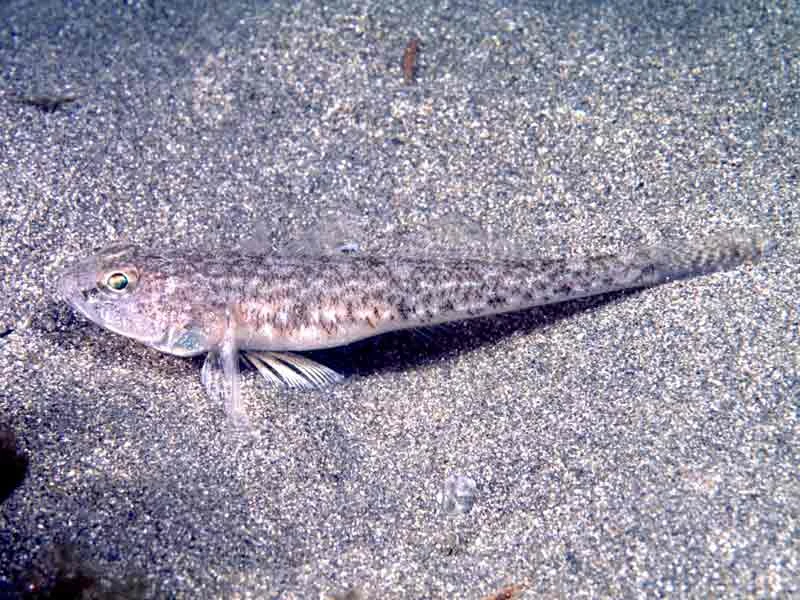
Goby species guide Sea fish Very easy (1/10)

Goby junior fishing guide

Gobius / Pomatoschistus species

A clear, plain-English guide to goby for parents, coaches and juniors. See where they live, the best starter tackle, simple bait choices and a three-step plan to help young anglers catch their first one safely.

Junior-first & welfare-aware 3-step beginner plan UK venues & seasons
Skill & size Seasons Beginner baits

Skill level

Very easy (1/10)

Perfect for first-ever fishing trips with young juniors.

Best time

Spring–Autumn

Pick mild, settled days for junior sessions.

Typical size

3–8 cm.

Always match hooks, nets & lines to expected fish size.

Goby

Beginner baits

Prawn / shrimp, Ragworm

Keep it simple — small hook baits, little-and-often feeding.

Typical venues: Rockpools, sandy shallows and harbour margins.
Scroll down for detailed tackle setups, methods and parent-friendly guidance.
Catch your first goby with confidence

Catch your first Goby in 3 steps

A simple, repeatable plan juniors can follow with help from a parent, coach or older angler.

  1. Step 1

    Explore safe rockpools at low tide

    These tiny rockpool fish are best found at low tide on stable, non-slippery rocks. Juniors should wear sturdy footwear and stay away from big waves.

  2. Step 2

    Use nets and trays, not hooks

    Gently sweep small nets through pools and under ledges, then empty them into white trays so fish can be seen clearly without hooks.

  3. Step 3

    Return everything to its home pool

    After observing, carefully pour fish back into the pool where they came from. Use the session to discuss camouflage, tide cycles and rockpool habitats.

Tackle setups that work

Designed with juniors and fish welfare in mind. Start with an IDEAL or GOOD setup for easier casting and safe unhooking.

👉 Swipe sideways to view different setups.

Spinning Rod

Beginner tip: Fish right by the rocks, keep tackle light and focus on handling fish carefully with wet hands.

IDEAL

Rod: 5–8 ft ultra-light lure rod (0.5–7 g or 1–10 g).

Reel: 1000–2000 size fixed spool reel.

Line: 4–6 lb braid with 4–6 lb fluorocarbon leader.

Terminal tackle

  • ["Size 8–14 hooks"
  • "Split-shot or tiny jigheads"
  • "Simple float rig for close-in fishing"]

Extras

  • ["Polaroids"
  • "Small rockpool net and bucket"
  • "Unhooking mat / kneeling pad"]

Very light LRF / mini-species setup for rockpools, harbours and close-in marks.
Ultra-Light Lure Rod

Beginner tip: Fish right by the rocks, keep tackle light and focus on handling fish carefully with wet hands.

IDEAL

Rod: 5–8 ft ultra-light lure rod (0.5–7 g or 1–10 g).

Reel: 1000–2000 size fixed spool reel.

Line: 4–6 lb braid with 4–6 lb fluorocarbon leader.

Terminal tackle

  • ["Size 8–14 hooks"
  • "Split-shot or tiny jigheads"
  • "Simple float rig for close-in fishing"]

Extras

  • ["Polaroids"
  • "Small rockpool net and bucket"
  • "Unhooking mat / kneeling pad"]

Very light LRF / mini-species setup for rockpools, harbours and close-in marks.

About the Goby

Goby is a group name for many tiny bottom-dwelling fish that live in rockpools and shallows. They are important for teaching about intertidal life.

Junior tip

Best observed with nets and trays while rockpooling rather than targeted on rod and line. Encourage gentle handling and quick release.

Logged a Goby recently?

Add a catch report so juniors can see where they’re being caught, which baits work and how your tackle was set up.

Want to discover more species? Browse the full species guide.

Fish Health & EA Advice

Linked conditions and guidance for Goby.

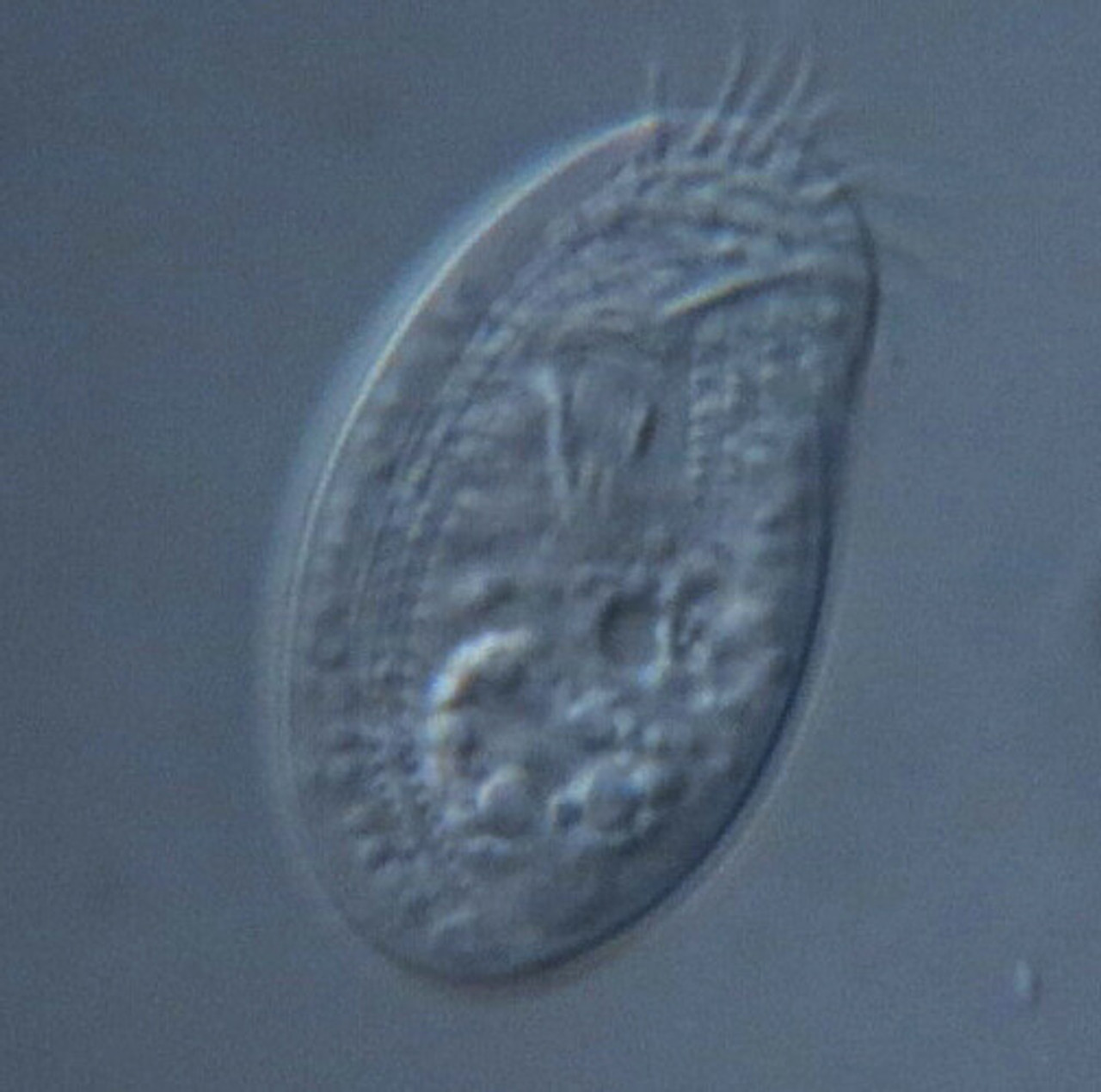
Chilodonella
Parasite 🟠 High risk

Chilodonella is a fast-spreading parasite that attacks the skin and gills of freshwater fish. It can cause heavy mucus, grey patches, breathing problems, and even death if untreated. It thrives in poor water quality, overcrowded waters, and when fish are stressed. Good fishery management is the best way to prevent outbreaks.