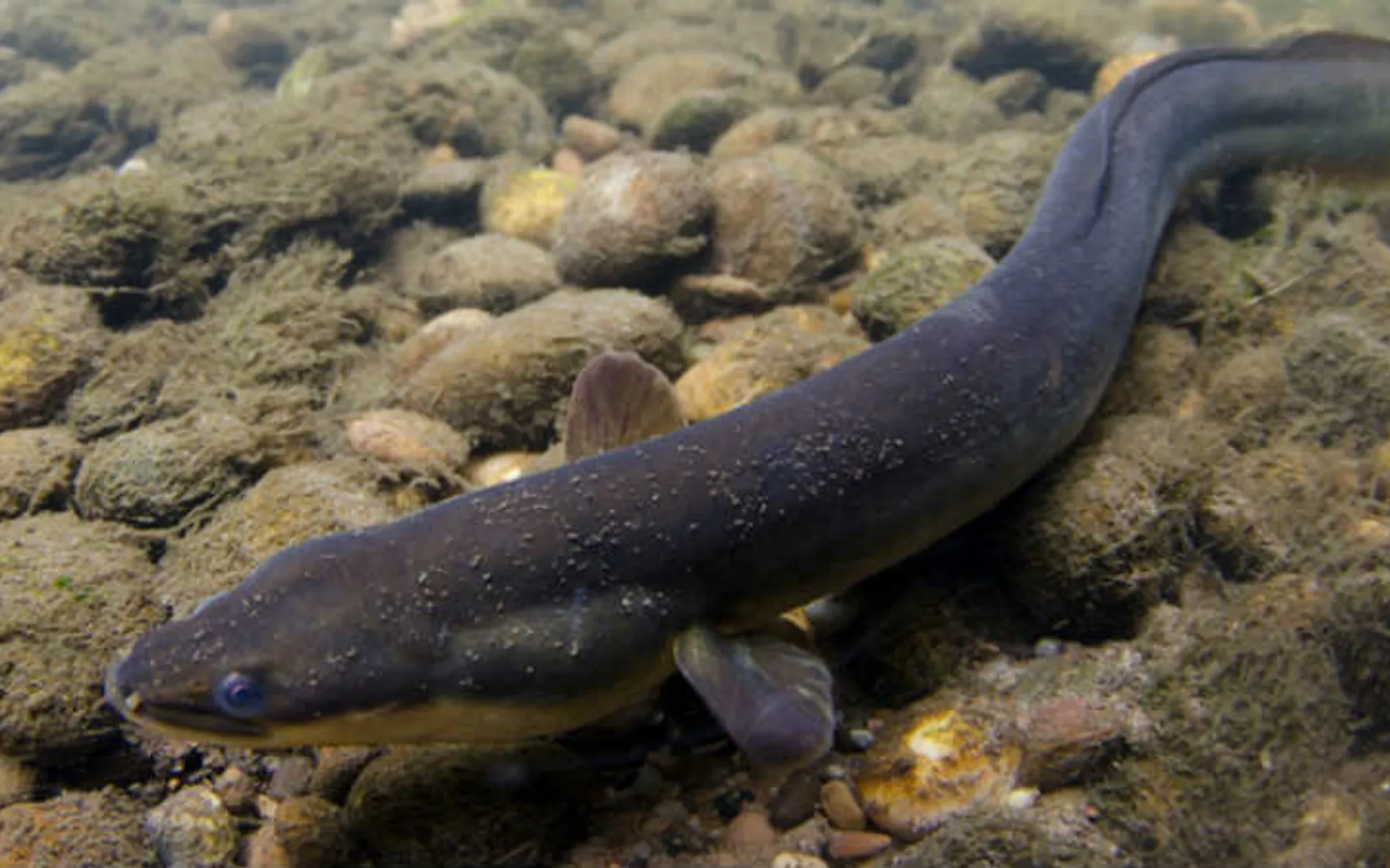
Eel species guide Freshwater fish Easy (4/10)

Eel junior fishing guide

Anguilla anguilla

A clear, plain-English guide to eel for parents, coaches and juniors. See where they live, the best starter tackle, simple bait choices and a three-step plan to help young anglers catch their first one safely.

Junior-first & welfare-aware 3-step beginner plan UK venues & seasons
Skill & size Seasons Beginner baits

Skill level

Easy (4/10)

Great for coached juniors and confident beginners.

Best time

Spring–Autumn

Pick mild, settled days for junior sessions.

Typical size

1–3 lb common; specimens over 4–5 lb possible.

Always match hooks, nets & lines to expected fish size.

Eel

Beginner baits

Lobworm, Mackerel strip, Meat (luncheon meat) …

Keep it simple — small hook baits, little-and-often feeding.

Typical venues: Rivers, drains
Scroll down for detailed tackle setups, methods and parent-friendly guidance.
Catch your first eel with confidence

Catch your first Eel in 3 steps

A simple, repeatable plan juniors can follow with help from a parent, coach or older angler.

  1. Step 1

    Fish eel-friendly venues with adults

    Eels are wriggly, hard to handle and heavily protected. Only target them on venues that allow it, with confident adults or coaches on hand.

  2. Step 2

    Use simple, safe rigs close in

    A running ledger or simple float rig with worm or small fish baits fished close to the bank is enough. Use barbless hooks and robust line to minimise deep hooking.

  3. Step 3

    Keep handling to an absolute minimum

    Show juniors how to keep eels over a wet mat or in the net, unhook quickly, and release promptly. Emphasise conservation and local rules.

Tackle setups that work

Designed with juniors and fish welfare in mind. Start with an IDEAL or GOOD setup for easier casting and safe unhooking.

👉 Swipe sideways to view different setups.

Feeder Rod

Beginner tip: Treat eels very gently – they are critically endangered. Keep them over a wet mat, avoid towels that remove slime, and always ask a coach or experienced adult to help unhook and return them quickly.

OK

Rod: 10–11 ft medium feeder rod.

Reel: 3000–4000 size fixed-spool reel with smooth drag.

Line: 5–8 lb mono mainline with 4–6 lb hooklength.

Terminal tackle

  • ["Running or free-running ledger"
  • "Small open-end feeder or simple bomb"
  • "Size 8–12 barbless hook with worm or small deadbait section"]

Extras

  • ["Large
  • knotless mesh landing net"
  • "Wet unhooking mat"
  • "Long forceps"
  • "Barbless hooks to make unhooking easier"]

Standard medium feeder setup – eels are usually caught as bycatch while fishing for other coarse species.
About the Eel

The European Eel has a long, snake-like body and is mainly nocturnal. Eels migrate enormous distances to and from the Sargasso Sea to spawn. Stocks have declined sharply, so careful handling and release are vital.

Junior tip

If you catch an eel, keep it over a soft, wet surface, unhook it carefully and release it quickly. Talk to a coach about best practice before targeting them deliberately.

Logged a Eel recently?

Add a catch report so juniors can see where they’re being caught, which baits work and how your tackle was set up.

Want to discover more species? Browse the full species guide.

Fish Health & EA Advice

Linked conditions and guidance for Eel.

Anguillicoloides crassus
Parasite 🟠 High risk

Anguillicoloides crassus (we’ll call it A. crassus) is a tiny worm that lives inside the swim bladder of European eels. The swim bladder is like the eel’s built-in buoyancy aid — it helps them float, dive and swim properly. This parasite isn’t originally from Europe. It arrived in the 1980s when eels were moved around for fish farming, and has now spread across many rivers and lakes in the UK. Sadly, it’s now one of the biggest health threats our eels face.

Anguillid herpesvirus
Virus 🟠 High risk

Anguillid herpesvirus

⚠️ Notifiable

Anguillid Herpesvirus (AngHV-1) is a warm-water virus that affects eels only. It attacks the gills and internal organs, making eels weak, tired, and unable to swim properly. Outbreaks usually happen in summer or when eels are stressed. Only a few cases have been found in UK rivers, but it may be more widespread, so reporting sick eels is very important.

EVEX
Virus 🟠 High risk

EVEX

⚠️ Notifiable

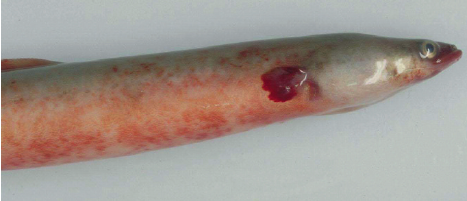
EVEX is a dangerous virus that affects only eels. It can cause bleeding, weakness, and sometimes death, and it can stop eels from reaching the Sargasso Sea to spawn. It has recently been found in wild UK eels, and early reporting of sick or dead eels is vital to help protect this endangered species.

Argulus mongolianus
Parasite 🟠 High risk

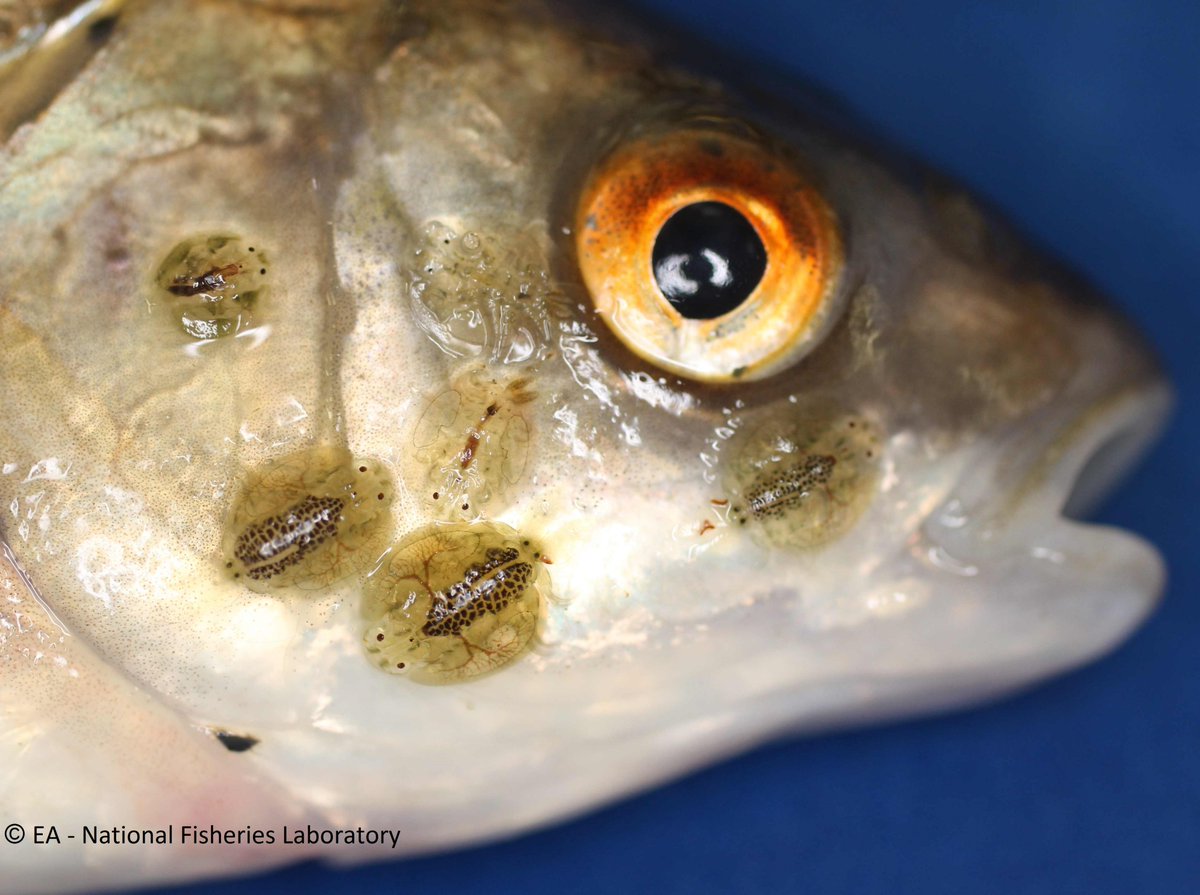
Argulus mongolianus is a newly discovered fish louse recently found in the UK. It attaches mainly to the gills, mouth, and head of fish, causing irritation, stress, and sometimes deaths. It has already been confirmed in carp, roach, and bream, and may infect all freshwater species. Because it is new and potentially harmful, reporting any suspicious lice or fish behaviour is very important.

Chilodonella
Parasite 🟠 High risk

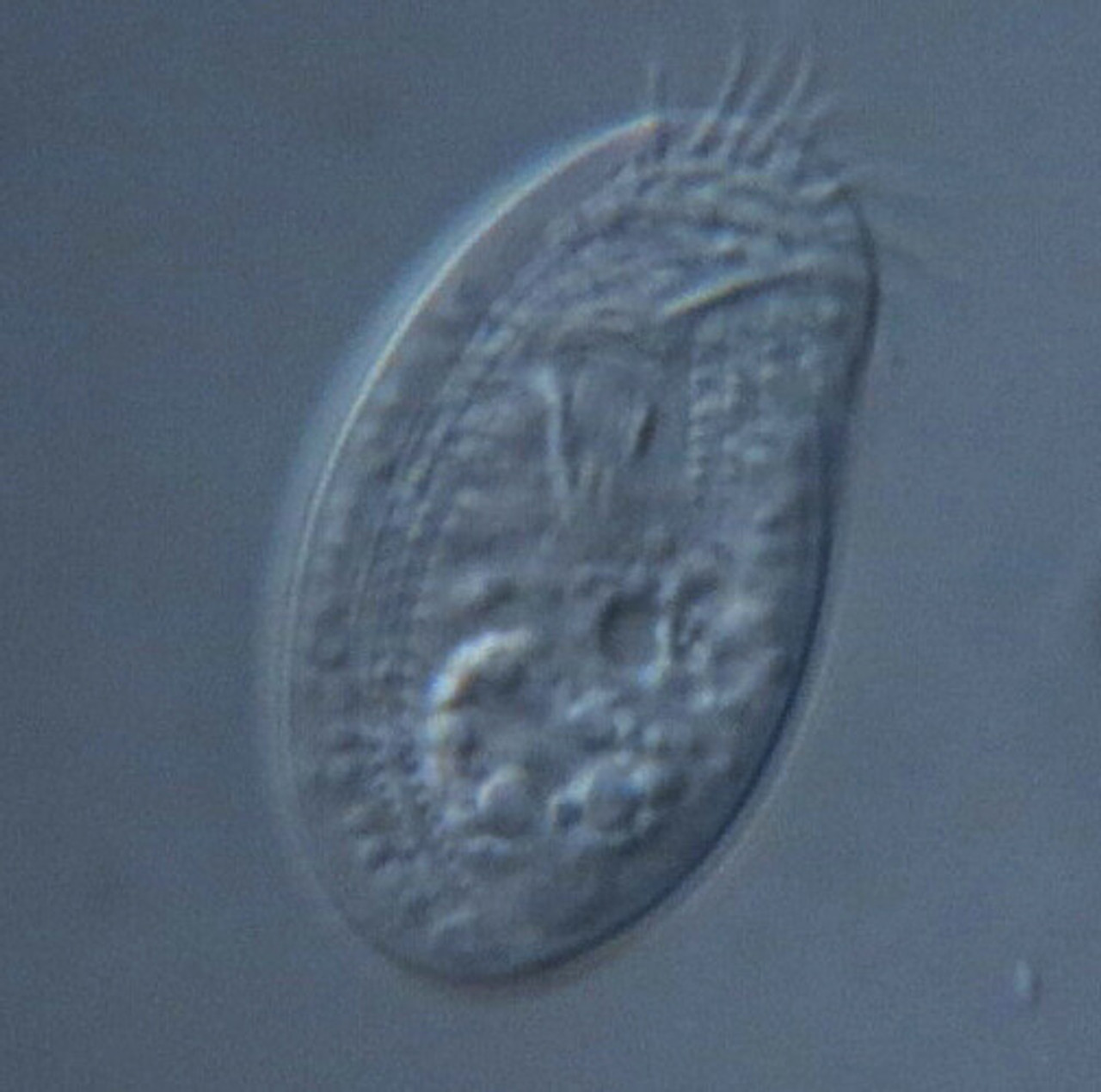
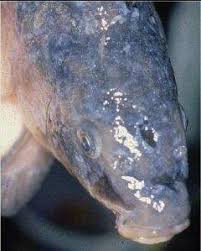
Chilodonella is a fast-spreading parasite that attacks the skin and gills of freshwater fish. It can cause heavy mucus, grey patches, breathing problems, and even death if untreated. It thrives in poor water quality, overcrowded waters, and when fish are stressed. Good fishery management is the best way to prevent outbreaks.

Ichthyobodo necator
Parasite 🟠 High risk

Ichthyobodo necator (Costia) is a rapidly spreading parasite that attacks a fish’s skin and gills. It causes lethargy, breathing problems, weight loss, and can be deadly—especially for young or stressed fish. It thrives in both cold and warm water, so good management and low-stress conditions are essential to prevent outbreaks.