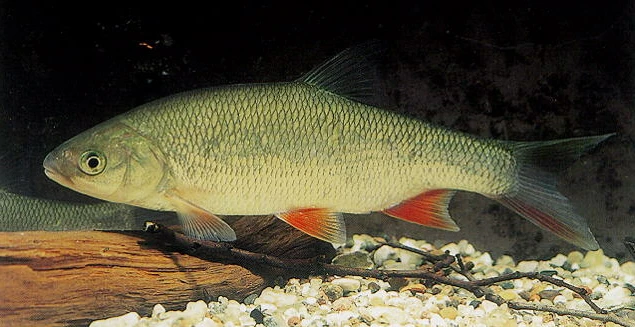
Ide species guide Freshwater fish Very easy (3/10)

Ide junior fishing guide

Leuciscus idus

A clear, plain-English guide to ide for parents, coaches and juniors. See where they live, the best starter tackle, simple bait choices and a three-step plan to help young anglers catch their first one safely.

Junior-first & welfare-aware 3-step beginner plan UK venues & seasons
Skill & size Seasons Beginner baits

Skill level

Very easy (3/10)

Perfect for first-ever fishing trips with young juniors.

Best time

Spring–Autumn

Pick mild, settled days for junior sessions.

Typical size

1–4 lb common where stocked; larger golden orfe possible.

Always match hooks, nets & lines to expected fish size.

🐟

Beginner baits

Bronze Maggot, Pinkie, Red maggot …

Keep it simple — small hook baits, little-and-often feeding.

Typical venues: Stillwaters and ornamental lakes where stocked for angling.
Scroll down for detailed tackle setups, methods and parent-friendly guidance.
Catch your first ide with confidence

Catch your first Ide in 3 steps

A simple, repeatable plan juniors can follow with help from a parent, coach or older angler.

  1. Step 1

    Pick a lively stillwater

    Ide and golden orfe often cruise round club and ornamental lakes. Pick a safe peg with open water and some flow from inlets or fountains.

  2. Step 2

    Midwater float tactics

    Set a waggler or pole float to fish mid-depth with maggots or small pellets. Ide respond well to regular loose feed.

  3. Step 3

    Keep the bait raining in

    Loose-feed small amounts frequently to keep fish competing. Teach juniors to strike smoothly at confident sail-away bites and always use a landing net.

Tackle setups that work

Designed with juniors and fish welfare in mind. Start with an IDEAL or GOOD setup for easier casting and safe unhooking.

👉 Swipe sideways to view different setups.

Feeder Rod

Beginner tip: Cast accurately to the same spot every time and clip up the line so you build a feeding area.

IDEAL

Rod: 10–11 ft feeder / avon-quiver rod with interchangeable tips.

Reel: 3000–4000 fixed spool reel.

Line: 5–8 lb mono mainline with 0.12–0.16 mm hooklength.

Terminal tackle

  • ["Open-end or method feeder"
  • "Size 12–16 hook"
  • "Short hooklengths for method
  • longer for open-end"]

Extras

  • ["Rod rest and butt rest"
  • "Feeder tray with groundbait and pellets"
  • "Disgorger
  • mat and large landing net"]

Ledgering with feeder or bomb for tench and big bream on lakes and slow canals.
Avon / Quiver Rod

Beginner tip: Cast accurately to the same spot every time and clip up the line so you build a feeding area.

GOOD

Rod: 10–11 ft feeder / avon-quiver rod with interchangeable tips.

Reel: 3000–4000 fixed spool reel.

Line: 5–8 lb mono mainline with 0.12–0.16 mm hooklength.

Terminal tackle

  • ["Open-end or method feeder"
  • "Size 12–16 hook"
  • "Short hooklengths for method
  • longer for open-end"]

Extras

  • ["Rod rest and butt rest"
  • "Feeder tray with groundbait and pellets"
  • "Disgorger
  • mat and large landing net"]

Ledgering with feeder or bomb for tench and big bream on lakes and slow canals.

Junior Combo Rod

Beginner tip: Let juniors practice casting on grass first, then start short and close-in on the bank.

GOOD

Rod: 7–9 ft soft-action junior combo rod.

Reel: Small fixed spool reel pre-loaded with mono.

Line: 4–6 lb mono mainline.

Terminal tackle

  • ["Small waggler or simple bomb rig"
  • "Size 16–18 hook"
  • "Basic split shot"]

Extras

  • ["Ready-tied hooklengths"
  • "Plummet"
  • "Disgorger and unhooking mat"]

All-round junior combo – simple, forgiving and safe for first sessions.

Match Rod

Beginner tip: Plumb the depth carefully then fish just overdepth with steady loose feed to build a shoal.

GOOD

Rod: 11–13 ft light match or waggler rod.

Reel: 2500–3000 size fixed spool reel.

Line: 3–4 lb (0.12–0.16 mm) mainline with slightly finer hooklength.

Terminal tackle

  • ["Slim waggler float"
  • "Size 18–20 fine hook"
  • "No.8–No.10 shot spaced down line"]

Extras

  • ["Small plummet"
  • "Catapult"
  • "Disgorger and unhooking mat"]

Light float rod is ideal for roach, rudd and mixed silverfish work on canals and lakes.

Waggler Rod

Beginner tip: Plumb the depth carefully then fish just overdepth with steady loose feed to build a shoal.

GOOD

Rod: 11–13 ft light match or waggler rod.

Reel: 2500–3000 size fixed spool reel.

Line: 3–4 lb (0.12–0.16 mm) mainline with slightly finer hooklength.

Terminal tackle

  • ["Slim waggler float"
  • "Size 18–20 fine hook"
  • "No.8–No.10 shot spaced down line"]

Extras

  • ["Small plummet"
  • "Catapult"
  • "Disgorger and unhooking mat"]

Light float rod is ideal for roach, rudd and mixed silverfish work on canals and lakes.

About the Ide

Ide, including golden orfe, are fast-swimming, shoaling fish often seen cruising near the surface. They fight hard and respond well to loose feeding.

Junior tip

Feed small pellets or maggots little and often, and fish shallow with light float tackle. Watch for bow waves as shoals move through the swim.

Logged a Ide recently?

Add a catch report so juniors can see where they’re being caught, which baits work and how your tackle was set up.

Want to discover more species? Browse the full species guide.

Fish Health & EA Advice

Linked conditions and guidance for Ide.

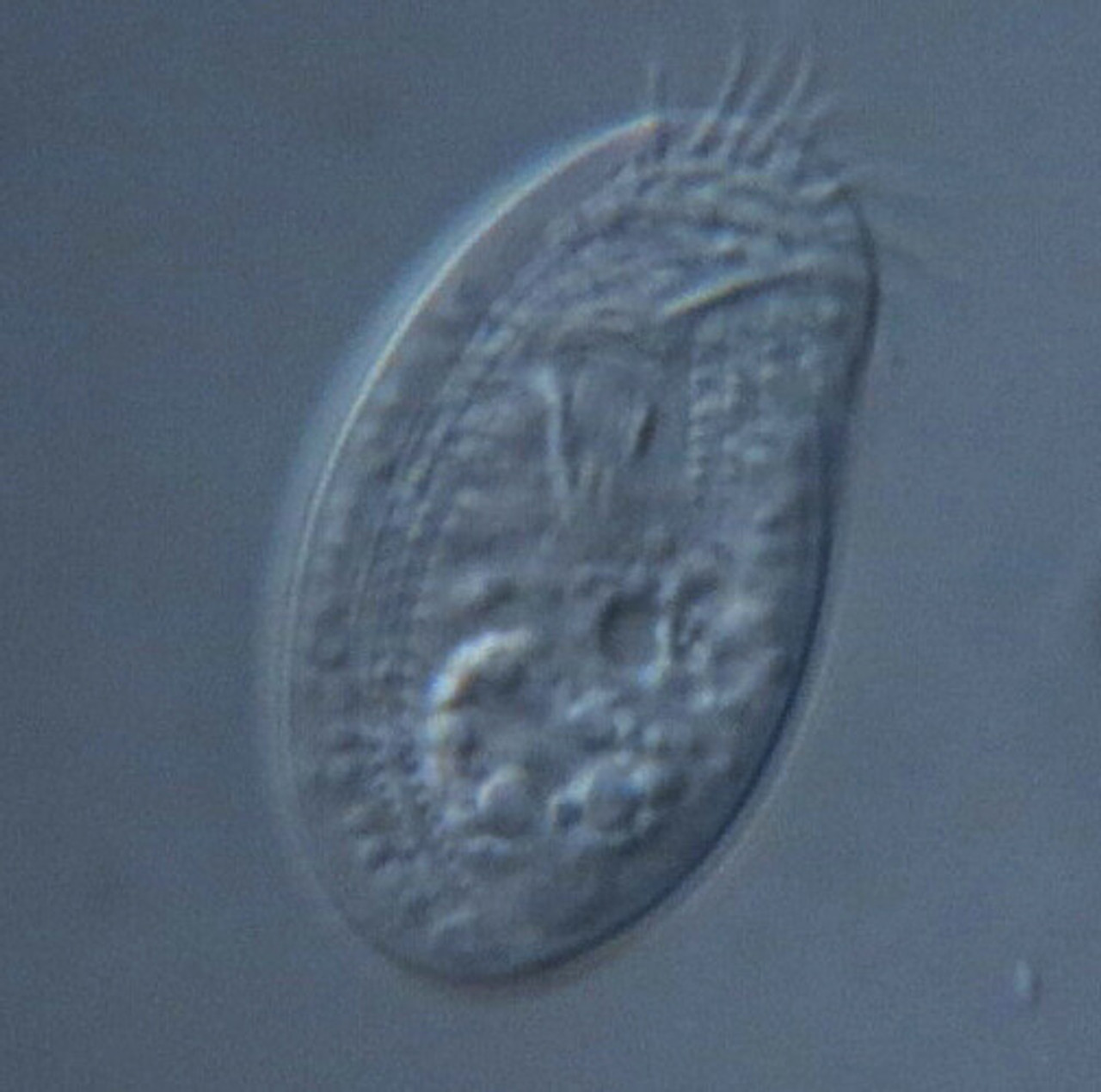
Chilodonella
Parasite 🟠 High risk

Chilodonella is a fast-spreading parasite that attacks the skin and gills of freshwater fish. It can cause heavy mucus, grey patches, breathing problems, and even death if untreated. It thrives in poor water quality, overcrowded waters, and when fish are stressed. Good fishery management is the best way to prevent outbreaks.