Bream ( Silver ) species guide Freshwater fish Very easy (2/10)

Bream ( Silver ) junior fishing guide

Blicca bjoerkna

A clear, plain-English guide to bream ( silver ) for parents, coaches and juniors. See where they live, the best starter tackle, simple bait choices and a three-step plan to help young anglers catch their first one safely.

Junior-first & welfare-aware 3-step beginner plan UK venues & seasons
Skill & size Seasons Beginner baits

Skill level

Very easy (2/10)

Perfect for first-ever fishing trips with young juniors.

Best time

Spring–Autumn

Pick mild, settled days for junior sessions.

Typical size

4–12 oz common; occasionally to around 2 lb.

Always match hooks, nets & lines to expected fish size.

Bream ( Silver )

Beginner baits

4mm expanders, Caster, Dead red maggot …

Keep it simple — small hook baits, little-and-often feeding.

Typical venues: Rivers, canals and stillwaters
Scroll down for detailed tackle setups, methods and parent-friendly guidance.
Catch your first bream ( silver ) with confidence

Catch your first Bream ( Silver ) in 3 steps

A simple, repeatable plan juniors can follow with help from a parent, coach or older angler.

  1. Step 1

    Fish a canal or stillwater shelf

    Pick a safe peg on a canal or pond where you can fish just down the near or far shelf. Silver bream mix with roach and skimmers.

  2. Step 2

    Fine tackle and small hooks

    Use a light pole/whip rig with 0.08–0.10mm hooklength and size 18–20 hook. Fish single or double maggot, or a small piece of worm.

  3. Step 3

    Regular little balls of feed

    Feed small nuggets of groundbait or a pinch of loose offerings frequently. Silver bream often give slow, lifting bites – encourage juniors to wait for a positive movement.

Tackle setups that work

Designed with juniors and fish welfare in mind. Start with an IDEAL or GOOD setup for easier casting and safe unhooking.

👉 Swipe sideways to view different setups.

Junior Combo Rod

Beginner tip: Let juniors practice casting on grass first, then start short and close-in on the bank.

GOOD

Rod: 7–9 ft soft-action junior combo rod.

Reel: Small fixed spool reel pre-loaded with mono.

Line: 4–6 lb mono mainline.

Terminal tackle

  • ["Small waggler or simple bomb rig"
  • "Size 16–18 hook"
  • "Basic split shot"]

Extras

  • ["Ready-tied hooklengths"
  • "Plummet"
  • "Disgorger and unhooking mat"]

All-round junior combo – simple, forgiving and safe for first sessions.
Match Rod

Beginner tip: Plumb the depth carefully then fish just overdepth with steady loose feed to build a shoal.

GOOD

Rod: 11–13 ft light match or waggler rod.

Reel: 2500–3000 size fixed spool reel.

Line: 3–4 lb (0.12–0.16 mm) mainline with slightly finer hooklength.

Terminal tackle

  • ["Slim waggler float"
  • "Size 18–20 fine hook"
  • "No.8–No.10 shot spaced down line"]

Extras

  • ["Small plummet"
  • "Catapult"
  • "Disgorger and unhooking mat"]

Light float rod is ideal for roach, rudd and mixed silverfish work on canals and lakes.

Waggler Rod

Beginner tip: Plumb the depth carefully then fish just overdepth with steady loose feed to build a shoal.

GOOD

Rod: 11–13 ft light match or waggler rod.

Reel: 2500–3000 size fixed spool reel.

Line: 3–4 lb (0.12–0.16 mm) mainline with slightly finer hooklength.

Terminal tackle

  • ["Slim waggler float"
  • "Size 18–20 fine hook"
  • "No.8–No.10 shot spaced down line"]

Extras

  • ["Small plummet"
  • "Catapult"
  • "Disgorger and unhooking mat"]

Light float rod is ideal for roach, rudd and mixed silverfish work on canals and lakes.

Whip

Beginner tip: Keep the whip short to start, swing small fish gently to hand and always use a landing net for anything bigger.

OK

Rod: 3–5 m whip or telescopic pole with soft tip.

Reel: Not used; whip is fixed line.

Line: 0.10–0.14 mm main line to light hooklength for small fish.

Terminal tackle

  • ["Simple whip rig"
  • "fine wire hook size 20–24"
  • "small pole float"]

Extras

  • ["Small side tray"
  • "disgorger"
  • "landing net and handle"]

Simple whip setup for small silverfish and junior friendly fishing on canals, ponds and commercials.

About the Bream ( Silver )

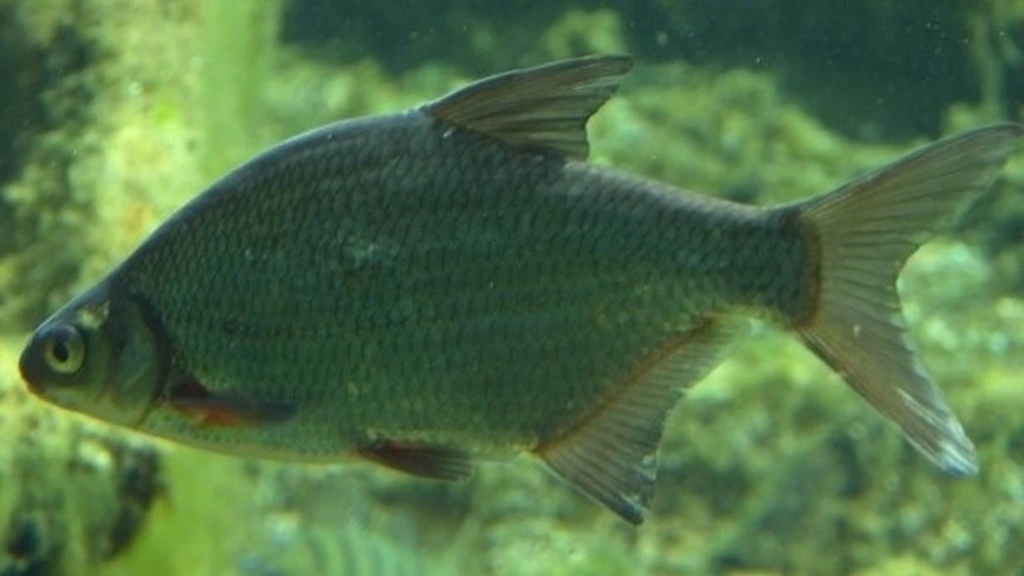
Silver Bream are small, bright silver relatives of the Common Bream. They have a slimmer body and pinkish fins, and often mix with roach and skimmer shoals. They are quick biters and great for building busy nets of small fish.

Junior tip

Fish light gear with small hooks and maggots. Keep small balls of groundbait going in to hold the shoal and you will see your float dip all session.

Logged a Bream ( Silver ) recently?

Add a catch report so juniors can see where they’re being caught, which baits work and how your tackle was set up.

Want to discover more species? Browse the full species guide.

Fish Health & EA Advice

Linked conditions and guidance for Bream ( Silver ).

Ergasilus sieboldi
Parasite 🟠 High risk

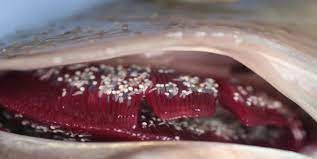
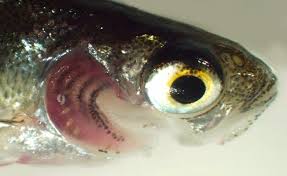
Ergasilus sieboldi, also known as the gill maggot, is a tiny parasite that attaches to the gills of freshwater fish. The adult females have long white egg sacs that trail behind them, making them easy to spot. They feed on the fish’s gill tissue, blood and mucus, which makes it harder for the fish to breathe and stay healthy. Heavy infections can cause fish to become tired, lose weight, grow slowly, or even die — especially in warm weather. This parasite can spread quickly through a fishery, so good fishery management and strong biosecurity are really important to keep fish safe.

Schyzocotyle acheilognathi
Parasite 🟠 High risk

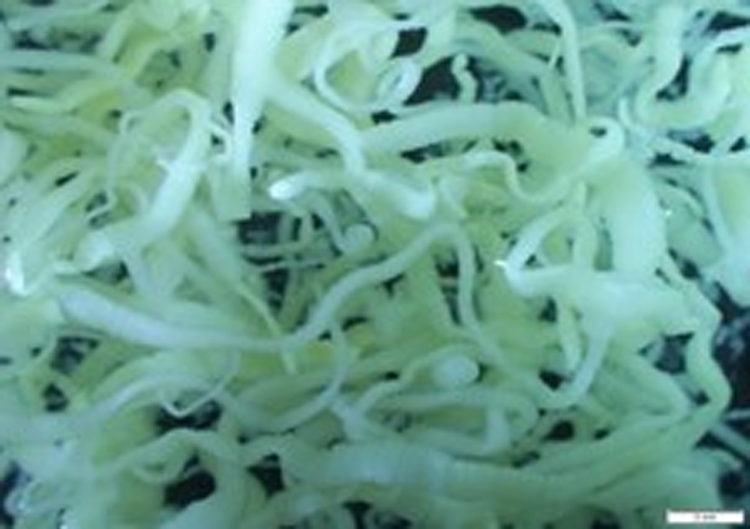
Schyzocotyle acheilognathi, or the Asian tapeworm, is a long ribbon-like parasite that lives inside the intestines of carp and other freshwater fish. It attaches to the gut wall and steals the fish’s food, which can slow their growth, weaken them, and even block the intestine completely. Young fish are especially at risk, and heavy infections can cause serious health problems or death, so good fishery management and biosecurity are important to stop it spreading.

Argulus mongolianus
Parasite 🟠 High risk

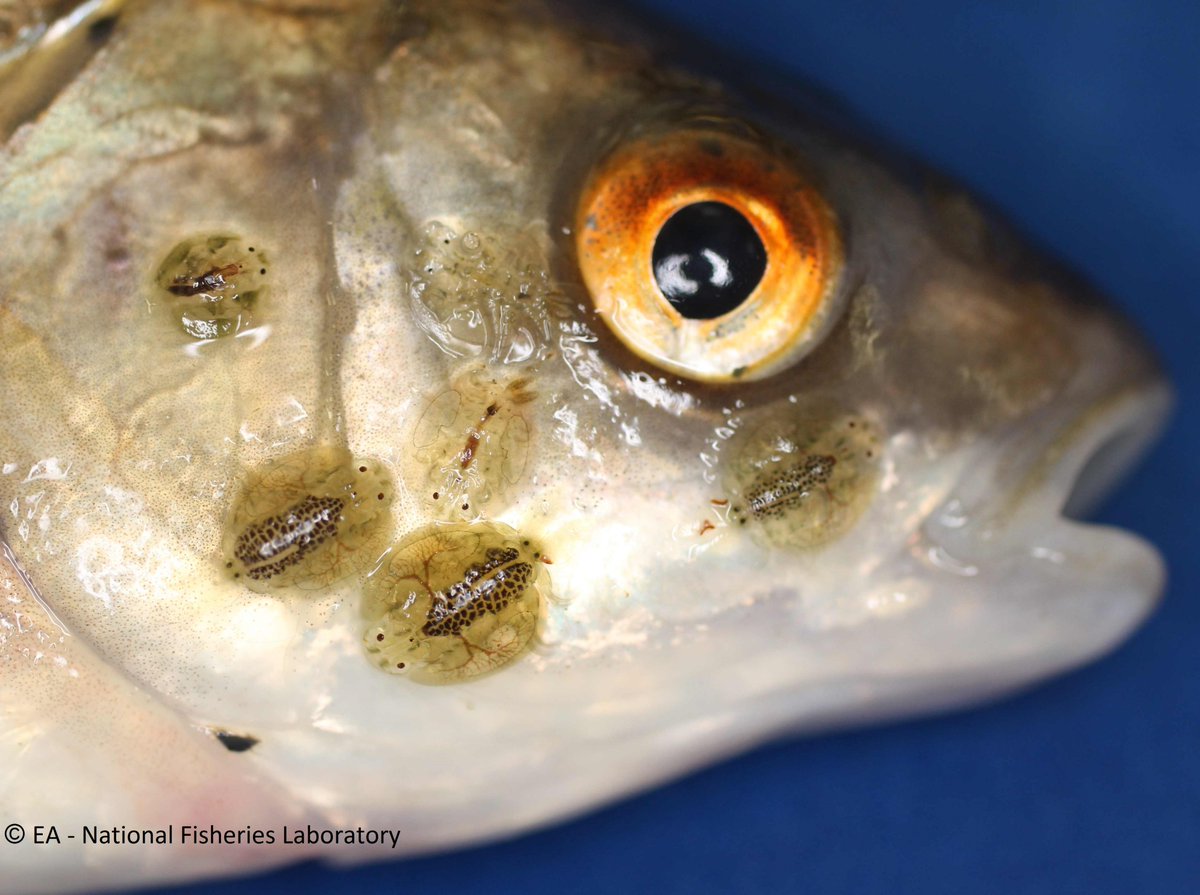
Argulus mongolianus is a newly discovered fish louse recently found in the UK. It attaches mainly to the gills, mouth, and head of fish, causing irritation, stress, and sometimes deaths. It has already been confirmed in carp, roach, and bream, and may infect all freshwater species. Because it is new and potentially harmful, reporting any suspicious lice or fish behaviour is very important.

Blackspot
Parasite 🟢 Low risk

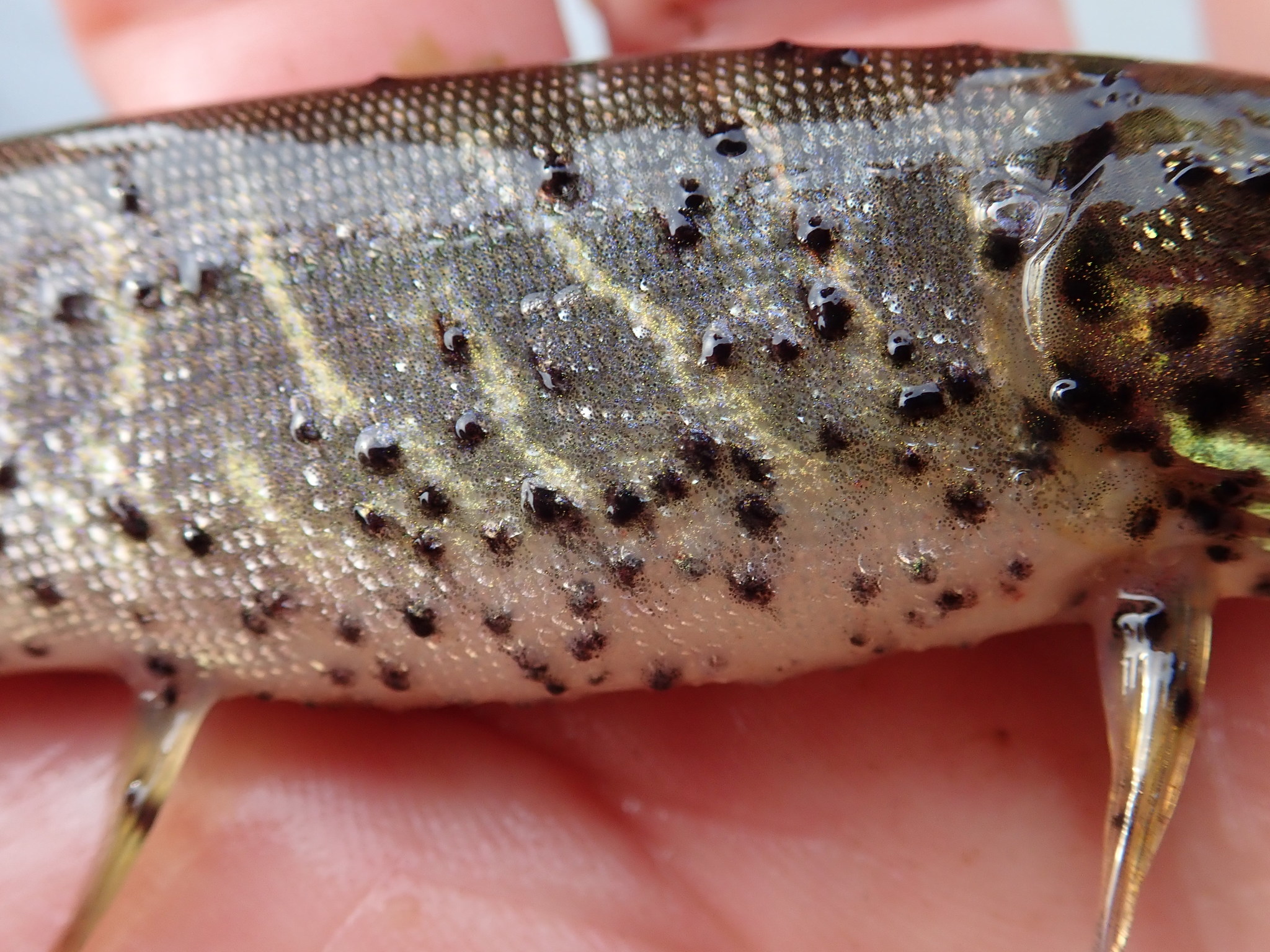
Blackspot is a common parasite that forms tiny black cysts on the skin and fins of freshwater fish. It looks alarming but is normally harmless and part of a natural cycle involving snails and birds. Only very heavy infections or small fish are affected. In most cases, blackspot is nothing to worry about.

Chilodonella
Parasite 🟠 High risk

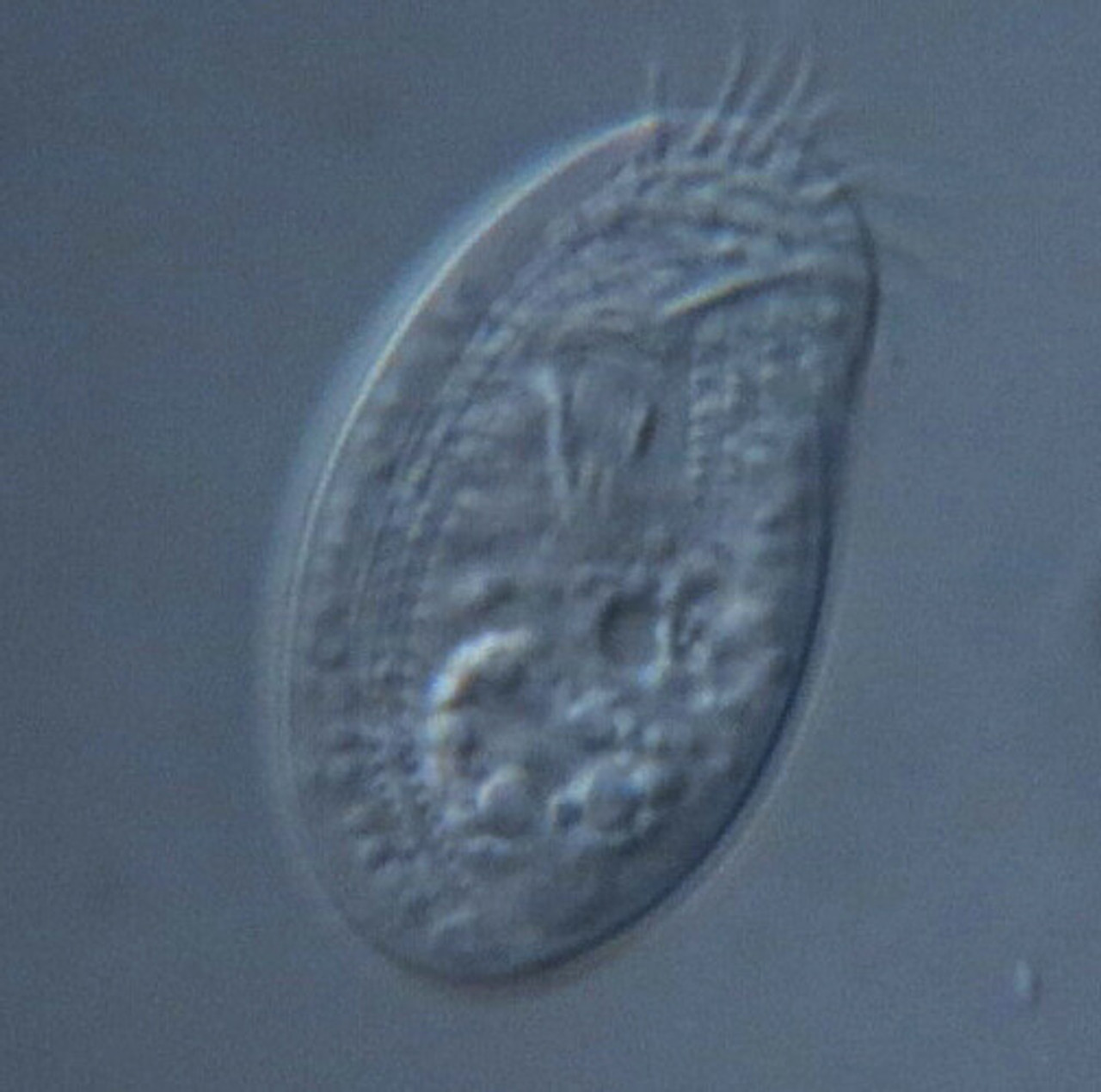
Chilodonella is a fast-spreading parasite that attacks the skin and gills of freshwater fish. It can cause heavy mucus, grey patches, breathing problems, and even death if untreated. It thrives in poor water quality, overcrowded waters, and when fish are stressed. Good fishery management is the best way to prevent outbreaks.

Ichthyobodo necator
Parasite 🟠 High risk

Ichthyobodo necator (Costia) is a rapidly spreading parasite that attacks a fish’s skin and gills. It causes lethargy, breathing problems, weight loss, and can be deadly—especially for young or stressed fish. It thrives in both cold and warm water, so good management and low-stress conditions are essential to prevent outbreaks.