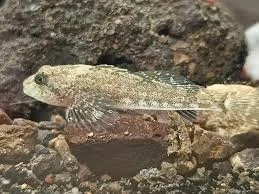
Bullhead species guide Freshwater fish Very easy (1/10)

Bullhead junior fishing guide

Cottus perifretum

A clear, plain-English guide to bullhead for parents, coaches and juniors. See where they live, the best starter tackle, simple bait choices and a three-step plan to help young anglers catch their first one safely.

Junior-first & welfare-aware 3-step beginner plan UK venues & seasons
Skill & size Seasons Beginner baits

Skill level

Very easy (1/10)

Perfect for first-ever fishing trips with young juniors.

Best time

Spring–Autumn

Pick mild, settled days for junior sessions.

Typical size

5–10 cm; very small species.

Always match hooks, nets & lines to expected fish size.

Bullhead

Beginner baits

Maggots, worms, bread

Keep it simple — small hook baits, little-and-often feeding.

Typical venues: Clean, stony streams and small rivers with good flow and oxygen.
Scroll down for detailed tackle setups, methods and parent-friendly guidance.
Catch your first bullhead with confidence

Catch your first Bullhead in 3 steps

A simple, repeatable plan juniors can follow with help from a parent, coach or older angler.

  1. Step 1

    Explore shallow, stony streams

    Bullheads live under stones in clean, shallow streams. For juniors, the best approach is careful looking and netting rather than active rod fishing.

  2. Step 2

    Use small nets and trays

    Gently lift a few stones and sweep a small net just downstream. Tip what you find into a white tray with stream water so juniors can observe fish safely.

  3. Step 3

    Handle with wet hands and release gently

    Explain that Bullheads are protected in many places. Encourage juniors to use wet hands or soft nets only, avoid squeezing, and return fish quickly to their exact spot.

Tackle setups that work

Designed with juniors and fish welfare in mind. Start with an IDEAL or GOOD setup for easier casting and safe unhooking.

👉 Swipe sideways to view different setups.

Whip

Beginner tip: Keep the rig short, feed little and often, and strike by just lifting the whip – no big swings.

IDEAL

Rod: 3–5 m whip or telescopic pole with a fine solid tip.

Reel: ❌ Not used (fixed line / elasticated top only).

Line: 0.08–0.10 mm mainline with 0.06–0.08 mm hooklength.

Terminal tackle

  • ["Size 20–24 fine wire hook"
  • "0.1–0.3 g slim pencil float"
  • "Shirt-button shotting pattern"]

Extras

  • ["Small bait tub with maggots or pinkies"
  • "Catapult for regular loose feed"
  • "Disgorger and small landing net"]

Whip fishing for small silvers is all about speed, rhythm and keeping fish coming safely close in.
Pole

Beginner tip: Keep the pole low over the water to stop the rig swinging and ship back smoothly, not fast.

GOOD

Rod: 6–8 m elasticated pole with light top kit.

Reel: ❌ Not used (pole, fixed line only).

Line: 0.10 mm mainline with 0.07–0.09 mm hooklength and soft no.4–6 elastic.

Terminal tackle

  • ["0.2–0.4 g pole float"
  • "strung-out shotting pattern"
  • "Size 20–22 fine wire hook"]

Extras

  • ["Pole roller or simple roost"
  • "Pole sock or tulip rest"
  • "Soft landing net"]

Short pole fishing gives juniors control and precision for catching lots of small silvers.

About the Bullhead

The Bullhead is a small, broad-headed bottom dweller that hides under stones in clean streams. It is rarely targeted by anglers but is a good sign of healthy, well-oxygenated water.

Junior tip

Look for Bullheads carefully in shallow, stony margins on bright days rather than trying to catch them. They are great fish to observe and learn about river life.

Logged a Bullhead recently?

Add a catch report so juniors can see where they’re being caught, which baits work and how your tackle was set up.

Want to discover more species? Browse the full species guide.

Fish Health & EA Advice

Linked conditions and guidance for Bullhead.

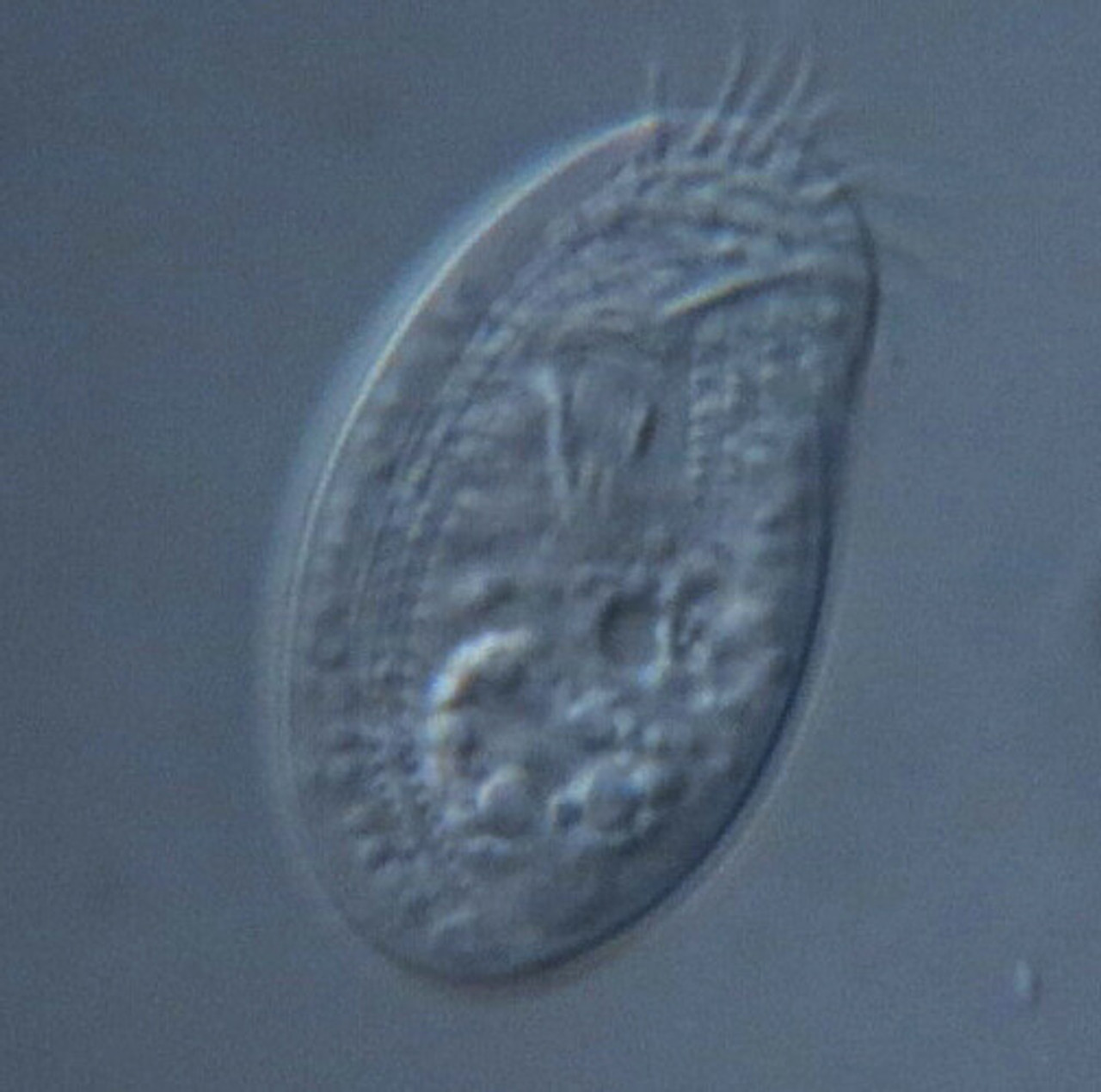
Chilodonella
Parasite 🟠 High risk

Chilodonella is a fast-spreading parasite that attacks the skin and gills of freshwater fish. It can cause heavy mucus, grey patches, breathing problems, and even death if untreated. It thrives in poor water quality, overcrowded waters, and when fish are stressed. Good fishery management is the best way to prevent outbreaks.