Goldfish & Koi Carp species guide Freshwater fish Very easy (1/10)

Goldfish & Koi Carp junior fishing guide

Carassius auratus (ornamental forms)

A clear, plain-English guide to goldfish & koi carp for parents, coaches and juniors. See where they live, the best starter tackle, simple bait choices and a three-step plan to help young anglers catch their first one safely.

Junior-first & welfare-aware 3-step beginner plan UK venues & seasons
Skill & size Seasons Beginner baits

Skill level

Very easy (1/10)

Perfect for first-ever fishing trips with young juniors.

Best time

Spring–Autumn

Pick mild, settled days for junior sessions.

Typical size

4 - 12 oz common; koi can grow to several pounds in larger ponds and lakes.

Always match hooks, nets & lines to expected fish size.

Goldfish & Koi Carp

Beginner baits

6mm carp pellet, 8mm carp pellet, Boilie 10mm …

Keep it simple — small hook baits, little-and-often feeding.

Typical venues: Ornamental ponds, park lakes and some commercial fisheries that stock colourful koi or goldfish.
Scroll down for detailed tackle setups, methods and parent-friendly guidance.
Catch your first goldfish & koi carp with confidence

Catch your first Goldfish & Koi Carp in 3 steps

A simple, repeatable plan juniors can follow with help from a parent, coach or older angler.

  1. Step 1

    Choose safe ornamental or club ponds

    Pick tidy, well-managed ponds in parks or club waters with flat banks or platforms. These are ideal for juniors to learn gentle fish handling and float control.

  2. Step 2

    Use soft, light float tackle

    Set up a short whip or pole with a small float, fine hooklength and size 18–20 hook. Fish single maggot, small pellets or tiny bits of bread a couple of feet deep.

  3. Step 3

    Strike lightly and handle carefully

    Teach juniors to lift the rod smoothly when the float dips and to keep fish low over the water. Goldfish and koi are ornamental, so gentle unhooking over a soft, wet surface is vital.

Tackle setups that work

Designed with juniors and fish welfare in mind. Start with an IDEAL or GOOD setup for easier casting and safe unhooking.

👉 Swipe sideways to view different setups.

Carp Rod

Beginner tip: Teach juniors to keep the rod low, use the clutch rather than back-winding, and always use a proper carp mat.

IDEAL

Rod: 10–12 ft carp rod, 2.5–3.0 lb test curve.

Reel: 4000–6000 size big-pit or carp reel with smooth clutch.

Line: 10–15 lb mono or 15–20 lb braid with safe leaders where allowed.

Terminal tackle

  • ["Semi-fixed lead or inline method feeder"
  • "Safe lead clip system"
  • "Size 8–12 strong carp hook"
  • "Hair rig with pellet
  • boilie or corn"
  • "Flat method feeder with quick-change link and short 4–6\" hooklength"]

Extras

  • ["Large padded unhooking mat"
  • "36-inch landing net"
  • "Weigh sling"
  • "Carp care kit"]

Standard carp rod setup for stillwater carp fishing with safe bolt rigs. Method feeder tactics also work brilliantly on commercials – keep the feeder small, accurate and always over your baited area.
Match Rod

Beginner tip: Plumb the depth carefully then fish just overdepth with steady loose feed to build a shoal.

GOOD

Rod: 11–13 ft light match or waggler rod.

Reel: 2500–3000 size fixed spool reel.

Line: 3–4 lb (0.12–0.16 mm) mainline with slightly finer hooklength.

Terminal tackle

  • ["Slim waggler float"
  • "Size 18–20 fine hook"
  • "No.8–No.10 shot spaced down line"]

Extras

  • ["Small plummet"
  • "Catapult"
  • "Disgorger and unhooking mat"]

Light float rod is ideal for roach, rudd and mixed silverfish work on canals and lakes.

Waggler Rod

Beginner tip: Plumb the depth carefully then fish just overdepth with steady loose feed to build a shoal.

GOOD

Rod: 11–13 ft light match or waggler rod.

Reel: 2500–3000 size fixed spool reel.

Line: 3–4 lb (0.12–0.16 mm) mainline with slightly finer hooklength.

Terminal tackle

  • ["Slim waggler float"
  • "Size 18–20 fine hook"
  • "No.8–No.10 shot spaced down line"]

Extras

  • ["Small plummet"
  • "Catapult"
  • "Disgorger and unhooking mat"]

Light float rod is ideal for roach, rudd and mixed silverfish work on canals and lakes.

About the Goldfish & Koi Carp

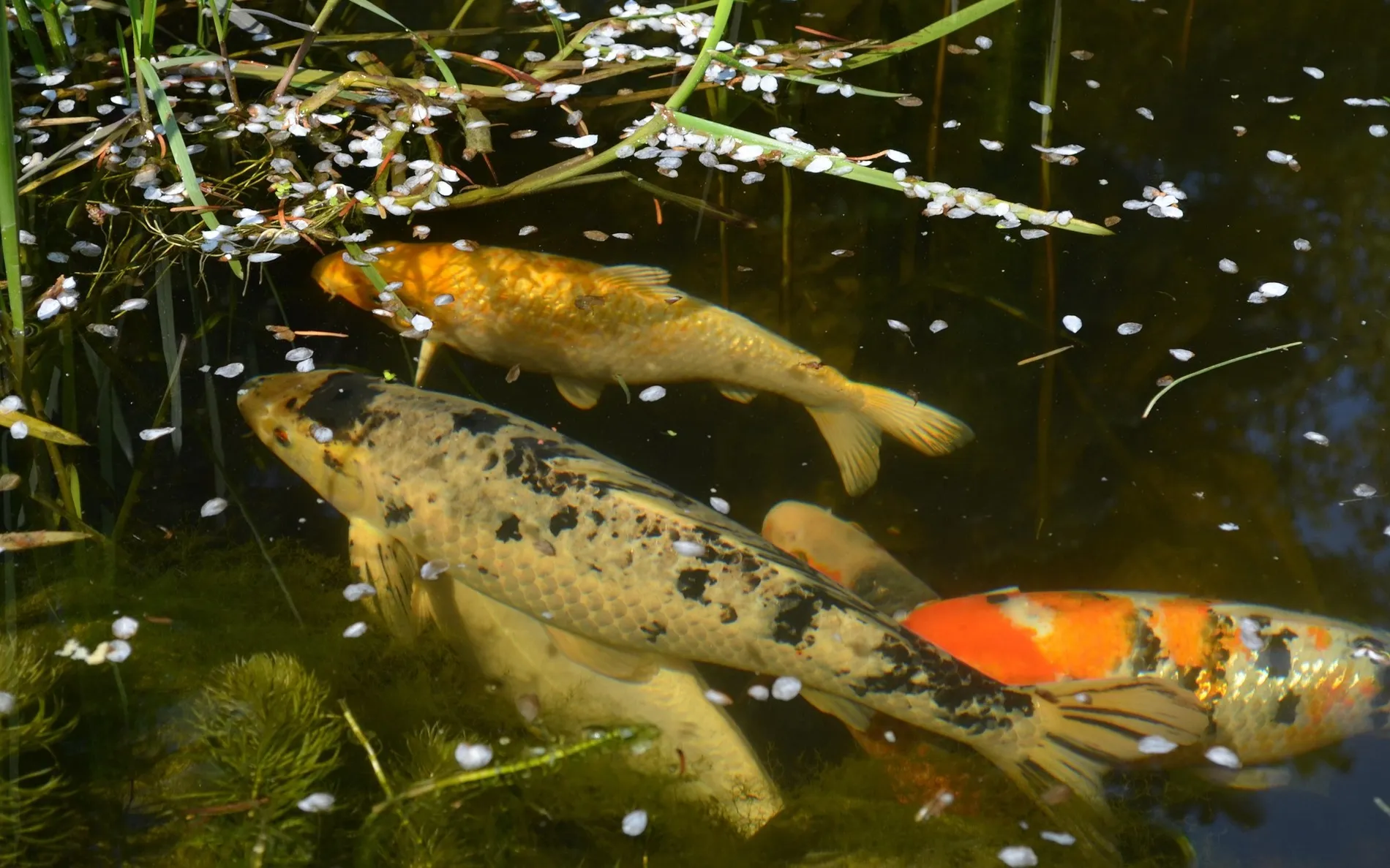
Goldfish and Koi are colourful ornamental relatives of crucian carp. They often live in park ponds and some commercials, where their bright colours make them easy for juniors to spot and identify.

Junior tip

Use light tackle, small hooks and gentle feeding with pellets or bread flake. Emphasise careful handling and keeping fish low over the net or mat - these are often cherished ornamental fish that clubs want to protect.

Logged a Goldfish & Koi Carp recently?

Add a catch report so juniors can see where they’re being caught, which baits work and how your tackle was set up.

Want to discover more species? Browse the full species guide.

Fish Health & EA Advice

Linked conditions and guidance for Goldfish & Koi Carp.

Schyzocotyle acheilognathi
Parasite 🟠 High risk

Schyzocotyle acheilognathi, or the Asian tapeworm, is a long ribbon-like parasite that lives inside the intestines of carp and other freshwater fish. It attaches to the gut wall and steals the fish’s food, which can slow their growth, weaken them, and even block the intestine completely. Young fish are especially at risk, and heavy infections can cause serious health problems or death, so good fishery management and biosecurity are important to stop it spreading.

Carp Pox
Virus 🟢 Low risk

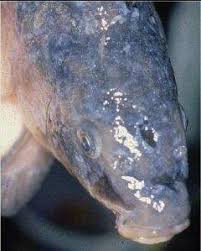
Carp pox is a common, mostly harmless virus that causes smooth white waxy patches on carp during winter and early spring. The lumps look worrying but rarely harm the fish and usually fade as the water warms up. Good water quality and low stress levels help keep the disease under control.

Koi Herpes Virus (KHV)
Virus 🟠 High risk

Koi Herpesvirus (KHV) is a serious virus that infects only carp and can cause large-scale deaths, especially in warm water. It leads to severe gill damage, breathing problems and “sleepy”, weak behaviour. The virus spreads easily on fish, nets, and water, and must be confirmed by laboratory testing. KHV is a Notifiable Disease and must be reported immediately.

Chilodonella
Parasite 🟠 High risk

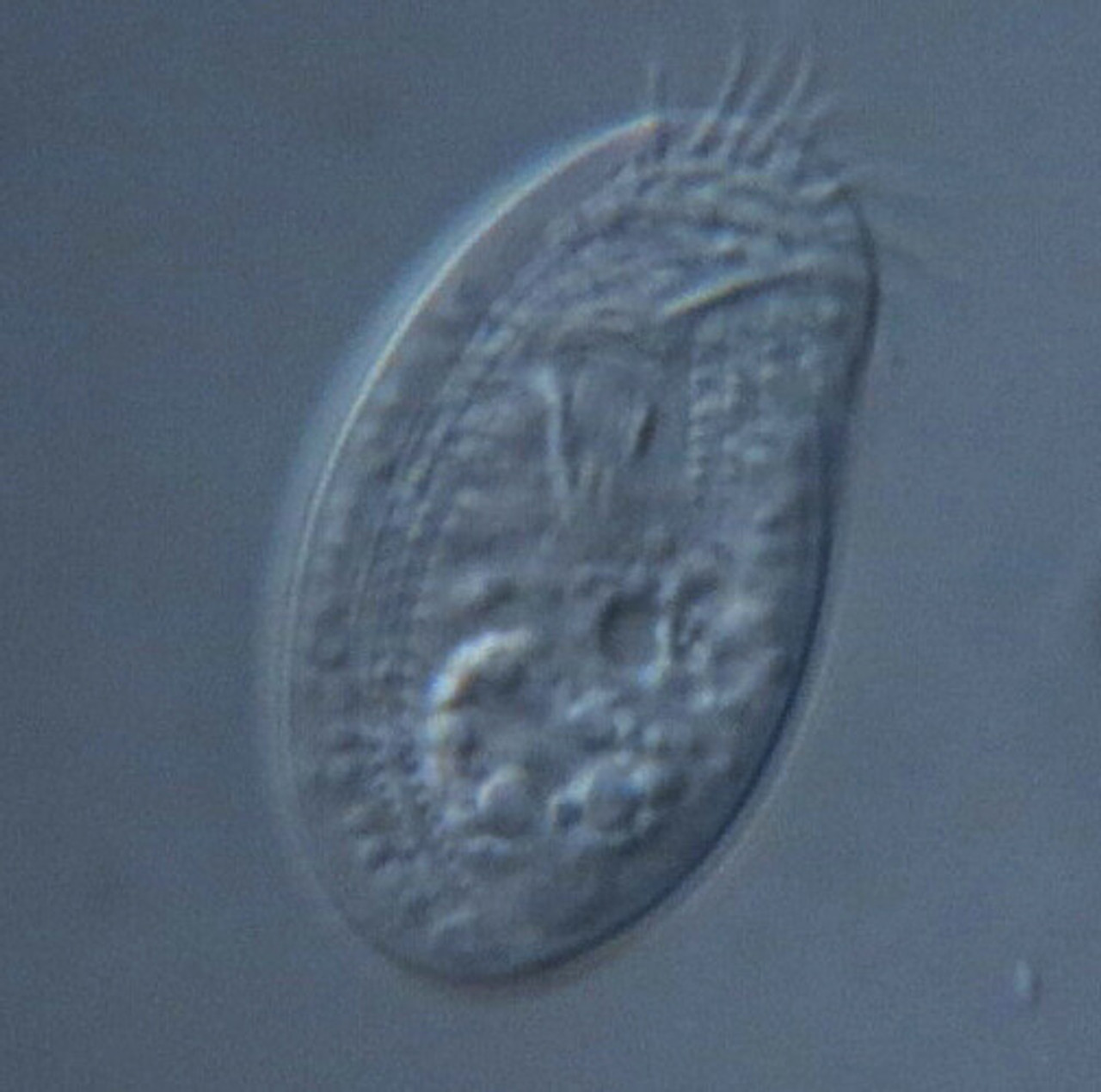
Chilodonella is a fast-spreading parasite that attacks the skin and gills of freshwater fish. It can cause heavy mucus, grey patches, breathing problems, and even death if untreated. It thrives in poor water quality, overcrowded waters, and when fish are stressed. Good fishery management is the best way to prevent outbreaks.

Gyrodactylus sprostonae
Parasite 🟠 High risk

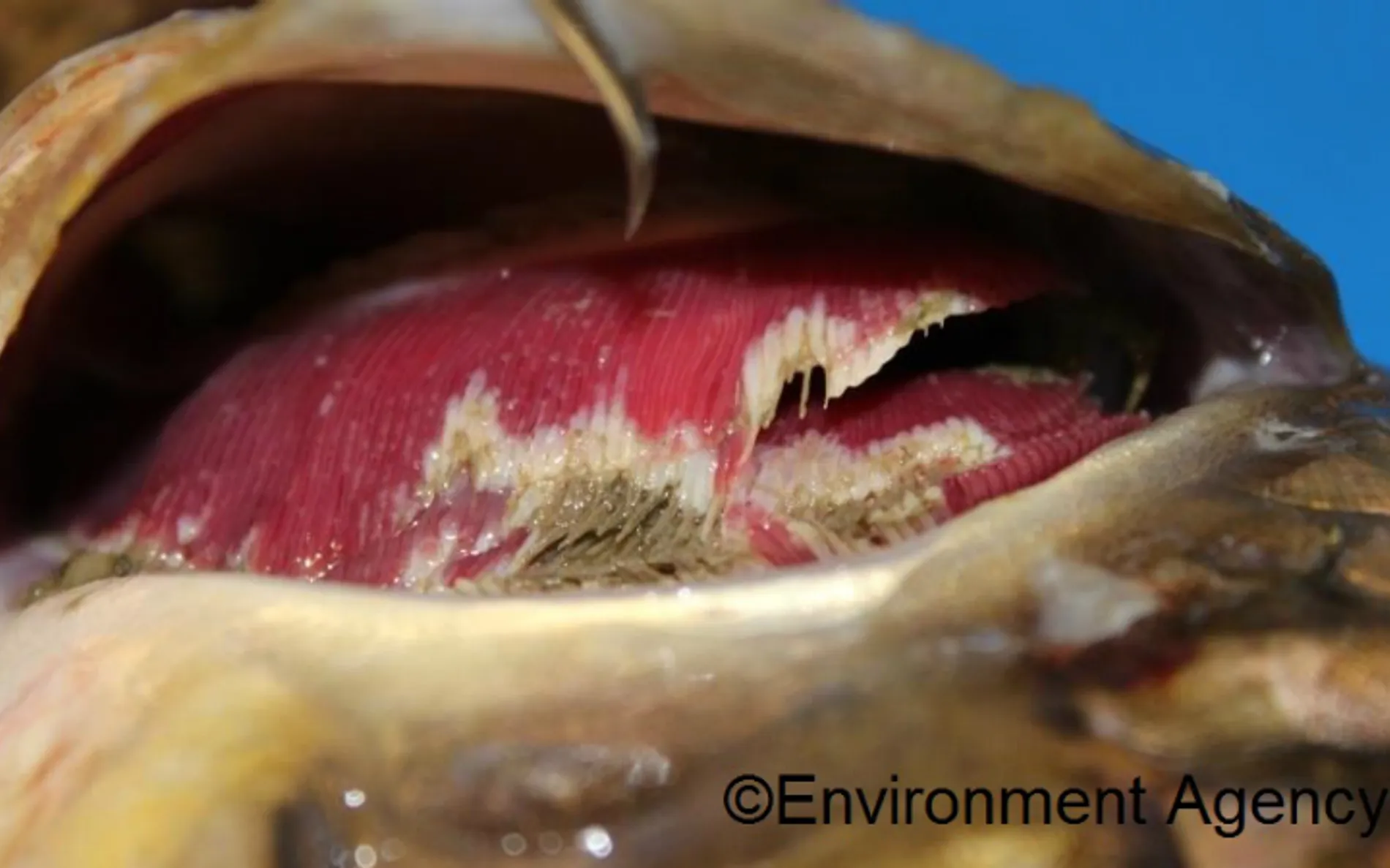
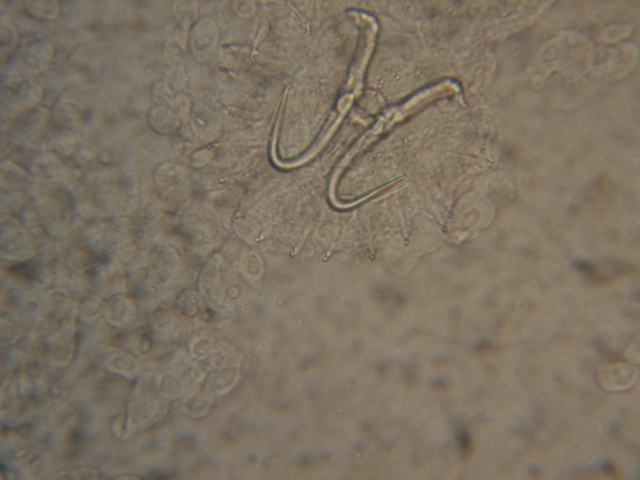
Gyrodactylus sprostonae is a newly recognised gill fluke causing major carp deaths in the UK. It reproduces extremely quickly, attaches to the gills, and can cause severe breathing problems and mortality. It mainly affects carp and crucians and is considered a serious emerging parasite. Good fishery management and quick reporting are essential.

Ichthyobodo necator
Parasite 🟠 High risk

Ichthyobodo necator (Costia) is a rapidly spreading parasite that attacks a fish’s skin and gills. It causes lethargy, breathing problems, weight loss, and can be deadly—especially for young or stressed fish. It thrives in both cold and warm water, so good management and low-stress conditions are essential to prevent outbreaks.