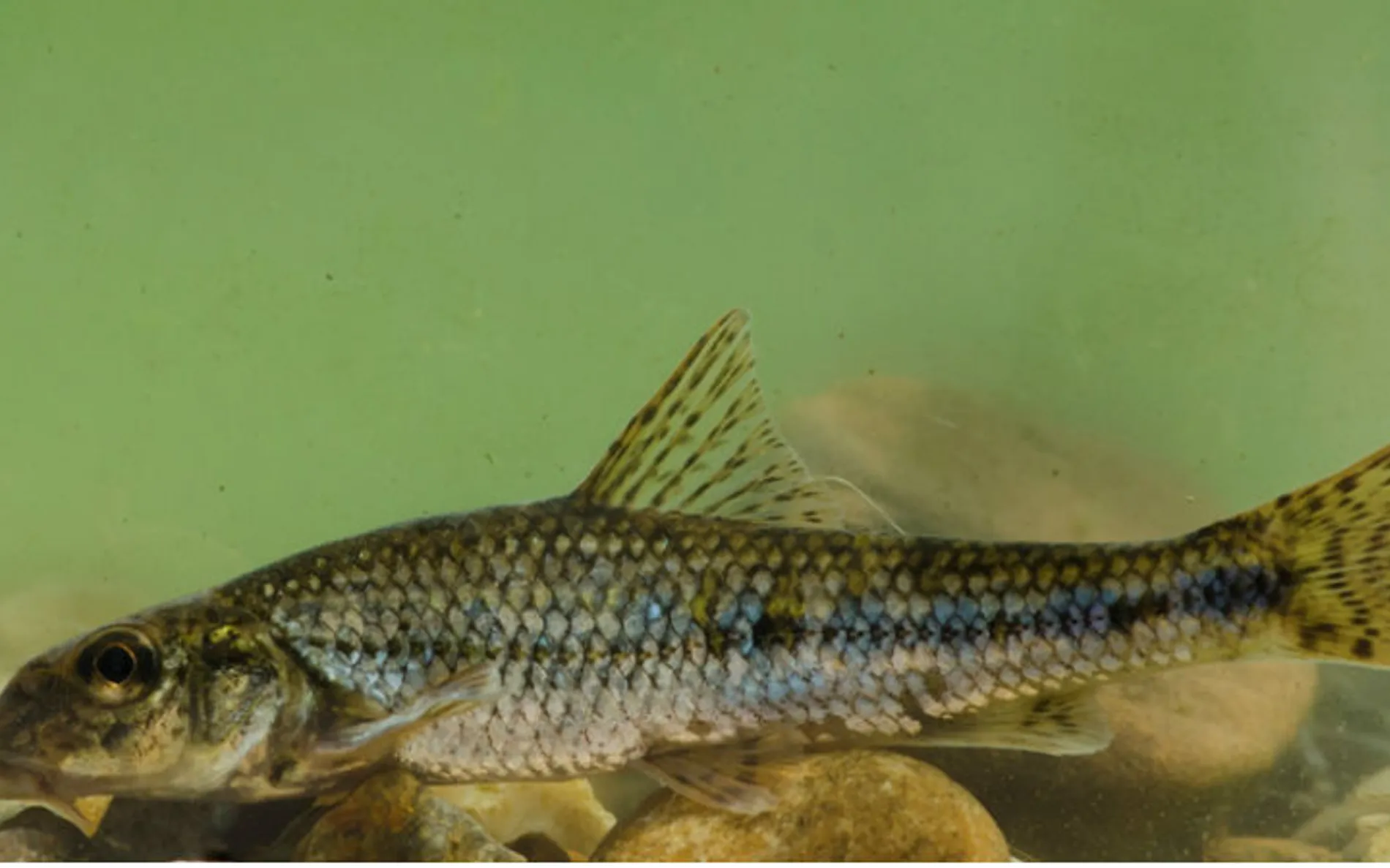
Gudgeon species guide Freshwater fish Very easy (1/10)

Gudgeon junior fishing guide

Gobio gobio

A clear, plain-English guide to gudgeon for parents, coaches and juniors. See where they live, the best starter tackle, simple bait choices and a three-step plan to help young anglers catch their first one safely.

Junior-first & welfare-aware 3-step beginner plan UK venues & seasons
Skill & size Seasons Beginner baits

Skill level

Very easy (1/10)

Perfect for first-ever fishing trips with young juniors.

Best time

Spring–Autumn

Pick mild, settled days for junior sessions.

Typical size

5–15 cm; usually just a few ounces.

Always match hooks, nets & lines to expected fish size.

🐟

Beginner baits

Bronze Maggot, Pinkie, Red maggot …

Keep it simple — small hook baits, little-and-often feeding.

Typical venues: Rivers, canals and stillwaters with gravelly or sandy bottoms.
Scroll down for detailed tackle setups, methods and parent-friendly guidance.
Catch your first gudgeon with confidence

Catch your first Gudgeon in 3 steps

A simple, repeatable plan juniors can follow with help from a parent, coach or older angler.

  1. Step 1

    Choose a canal or steady river

    Pick a safe, narrow venue with firm banks where juniors can sit close to the water. Gudgeon love clean gravel or sand on the bottom.

  2. Step 2

    Fish right on the deck

    Use a tiny float, size 20–22 hook and single maggot or pinkie. Plumb up so the hook bait is just resting on the bottom.

  3. Step 3

    Drip in tiny amounts of bait

    Feed just a few pinkies or crushed maggots every put-in. Gudgeon give quick, sharp bites – help juniors lift the rod as soon as the float twitches or dips.

Tackle setups that work

Designed with juniors and fish welfare in mind. Start with an IDEAL or GOOD setup for easier casting and safe unhooking.

👉 Swipe sideways to view different setups.

Whip

Beginner tip: Keep the whip short to start, swing small fish gently to hand and always use a landing net for anything bigger.

IDEAL

Rod: 3–5 m whip or telescopic pole with soft tip.

Reel: Not used; whip is fixed line.

Line: 0.10–0.14 mm main line to light hooklength for small fish.

Terminal tackle

  • ["Simple whip rig"
  • "fine wire hook size 20–24"
  • "small pole float"]

Extras

  • ["Small side tray"
  • "disgorger"
  • "landing net and handle"]

Simple whip setup for small silverfish and junior friendly fishing on canals, ponds and commercials.
Junior Combo Rod

Beginner tip: Let juniors practice casting on grass first, then start short and close-in on the bank.

GOOD

Rod: 7–9 ft soft-action junior combo rod.

Reel: Small fixed spool reel pre-loaded with mono.

Line: 4–6 lb mono mainline.

Terminal tackle

  • ["Small waggler or simple bomb rig"
  • "Size 16–18 hook"
  • "Basic split shot"]

Extras

  • ["Ready-tied hooklengths"
  • "Plummet"
  • "Disgorger and unhooking mat"]

All-round junior combo – simple, forgiving and safe for first sessions.

Match Rod

Beginner tip: Plumb the depth carefully then fish just overdepth with steady loose feed to build a shoal.

GOOD

Rod: 11–13 ft light match or waggler rod.

Reel: 2500–3000 size fixed spool reel.

Line: 3–4 lb (0.12–0.16 mm) mainline with slightly finer hooklength.

Terminal tackle

  • ["Slim waggler float"
  • "Size 18–20 fine hook"
  • "No.8–No.10 shot spaced down line"]

Extras

  • ["Small plummet"
  • "Catapult"
  • "Disgorger and unhooking mat"]

Light float rod is ideal for roach, rudd and mixed silverfish work on canals and lakes.

Pole

Beginner tip: Keep the pole low over the water to stop the rig swinging and ship back smoothly, not fast.

GOOD

Rod: 6–8 m elasticated pole with light top kit.

Reel: ❌ Not used (pole, fixed line only).

Line: 0.10 mm mainline with 0.07–0.09 mm hooklength and soft no.4–6 elastic.

Terminal tackle

  • ["0.2–0.4 g pole float"
  • "strung-out shotting pattern"
  • "Size 20–22 fine wire hook"]

Extras

  • ["Pole roller or simple roost"
  • "Pole sock or tulip rest"
  • "Soft landing net"]

Short pole fishing gives juniors control and precision for catching lots of small silvers.

Waggler Rod

Beginner tip: Plumb the depth carefully then fish just overdepth with steady loose feed to build a shoal.

GOOD

Rod: 11–13 ft light match or waggler rod.

Reel: 2500–3000 size fixed spool reel.

Line: 3–4 lb (0.12–0.16 mm) mainline with slightly finer hooklength.

Terminal tackle

  • ["Slim waggler float"
  • "Size 18–20 fine hook"
  • "No.8–No.10 shot spaced down line"]

Extras

  • ["Small plummet"
  • "Catapult"
  • "Disgorger and unhooking mat"]

Light float rod is ideal for roach, rudd and mixed silverfish work on canals and lakes.

About the Gudgeon

Gudgeon are small, moustached bottom feeders that love clean gravel and sand. They give sharp little bites and are brilliant confidence-building fish for young anglers.

Junior tip

Fish tiny hooks with maggot or pinkie right on the bottom. Keep feeding a few small loose offerings to hold a shoal of Gudgeon in your swim.

Logged a Gudgeon recently?

Add a catch report so juniors can see where they’re being caught, which baits work and how your tackle was set up.

Want to discover more species? Browse the full species guide.

Fish Health & EA Advice

Linked conditions and guidance for Gudgeon.

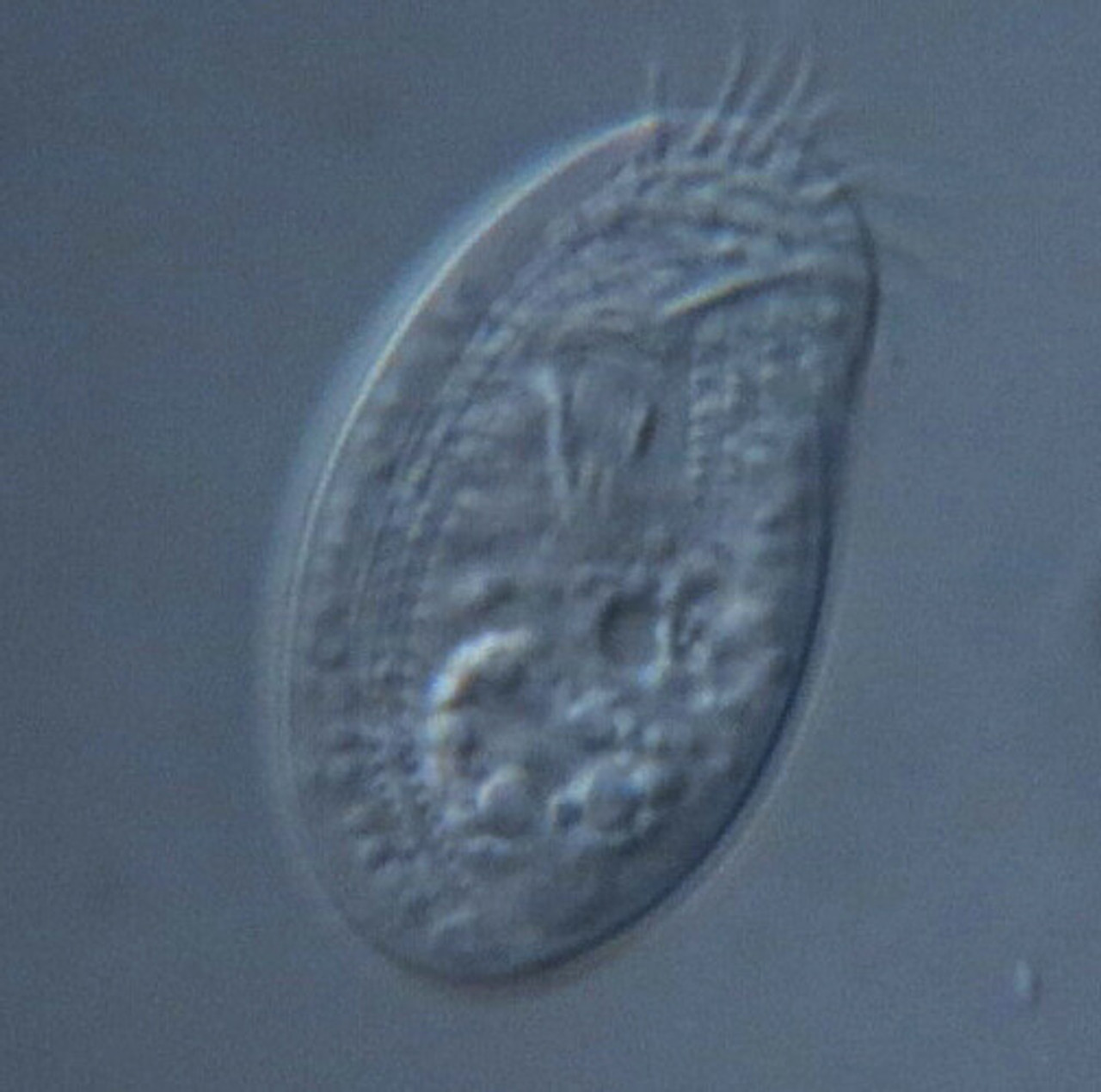
Chilodonella
Parasite 🟠 High risk

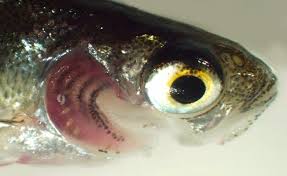
Chilodonella is a fast-spreading parasite that attacks the skin and gills of freshwater fish. It can cause heavy mucus, grey patches, breathing problems, and even death if untreated. It thrives in poor water quality, overcrowded waters, and when fish are stressed. Good fishery management is the best way to prevent outbreaks.