Zander species guide Freshwater fish Easy (5/10)

Zander junior fishing guide

Sander lucioperca

A clear, plain-English guide to zander for parents, coaches and juniors. See where they live, the best starter tackle, simple bait choices and a three-step plan to help young anglers catch their first one safely.

Junior-first & welfare-aware 3-step beginner plan UK venues & seasons
Skill & size Seasons Beginner baits

Skill level

Easy (5/10)

Great for coached juniors and confident beginners.

Best time

Spring–Autumn

Pick mild, settled days for junior sessions.

Typical size

2–6 lb common where established; much larger possible.

Always match hooks, nets & lines to expected fish size.

🐟

Beginner baits

Bluey (blue whiting), Herring / sprat, Lamprey section …

Keep it simple — small hook baits, little-and-often feeding.

Typical venues: Deep rivers, drains and reservoirs where introduced.
Scroll down for detailed tackle setups, methods and parent-friendly guidance.
Catch your first zander with confidence

Catch your first Zander in 3 steps

A simple, repeatable plan juniors can follow with help from a parent, coach or older angler.

  1. Step 1

    Target in controlled, coached sessions

    Zander are sharp-toothed predators. Juniors should only target them on venues where they are established and with coaches who understand local byelaws.

  2. Step 2

    Use predator-safe rigs and tracers

    Lure or deadbait rigs should include abrasion-resistant hooklengths, strong hooks and suitably powerful rods. Avoid long fight times and minimise deep hooking.

  3. Step 3

    Careful handling and legal awareness

    Teach juniors to respect both the fish and any control measures. Handle Zander over nets and mats and be aware of rules on retaining or returning fish.

Tackle setups that work

Designed with juniors and fish welfare in mind. Start with an IDEAL or GOOD setup for easier casting and safe unhooking.

👉 Swipe sideways to view different setups.

Deadbait Rod

Beginner tip: Predator fishing must be supervised – focus on fish care, correct unhooking and never leaving rods unattended.

IDEAL

Rod: 10–12 ft 2.75–3.25 lb pike/predator or deadbait rod (or 6–7 ft jerkbait rod for lures).

Reel: 4000–6000 size fixed spool or small multiplier.

Line: 15–20 lb mono or braid with wire or heavy fluoro trace.

Terminal tackle

  • ["Wire trace with semi-barbless trebles"
  • "Sunken or float ledger rigs"
  • "Safe semi-fixed leads"]

Extras

  • ["Large knotless landing net"
  • "Big padded unhooking mat"
  • "Long forceps
  • side cutters
  • glove"]

Specialist predator rod for safe pike/zander fishing with wire traces and unhooking gear.
Drop Shot Rod

Beginner tip: Encourage short, controlled casts and working lures near features like reeds, boats and overhangs.

IDEAL

Rod: 6–8 ft light spinning or ultra-light lure rod (3–15 g rating).

Reel: 1000–2500 fixed spool reel.

Line: 6–8 lb braid with 6–8 lb fluorocarbon leader.

Terminal tackle

  • ["Small spinners and plugs"
  • "Soft plastic lures"
  • "Dropshot rigs with size 4–8 hooks"]

Extras

  • ["Polarised glasses"
  • "Unhooking mat"
  • "Forceps"]

Light lure fishing setup for perch, chub and small predators.

Jerkbait Rod

Beginner tip: Predator fishing must be supervised – focus on fish care, correct unhooking and never leaving rods unattended.

IDEAL

Rod: 10–12 ft 2.75–3.25 lb pike/predator or deadbait rod (or 6–7 ft jerkbait rod for lures).

Reel: 4000–6000 size fixed spool or small multiplier.

Line: 15–20 lb mono or braid with wire or heavy fluoro trace.

Terminal tackle

  • ["Wire trace with semi-barbless trebles"
  • "Sunken or float ledger rigs"
  • "Safe semi-fixed leads"]

Extras

  • ["Large knotless landing net"
  • "Big padded unhooking mat"
  • "Long forceps
  • side cutters
  • glove"]

Specialist predator rod for safe pike/zander fishing with wire traces and unhooking gear.
Pike Rod

Beginner tip: Predator fishing must be supervised – focus on fish care, correct unhooking and never leaving rods unattended.

IDEAL

Rod: 10–12 ft 2.75–3.25 lb pike/predator or deadbait rod (or 6–7 ft jerkbait rod for lures).

Reel: 4000–6000 size fixed spool or small multiplier.

Line: 15–20 lb mono or braid with wire or heavy fluoro trace.

Terminal tackle

  • ["Wire trace with semi-barbless trebles"
  • "Sunken or float ledger rigs"
  • "Safe semi-fixed leads"]

Extras

  • ["Large knotless landing net"
  • "Big padded unhooking mat"
  • "Long forceps
  • side cutters
  • glove"]

Specialist predator rod for safe pike/zander fishing with wire traces and unhooking gear.

Spinning Rod

Beginner tip: Encourage short, controlled casts and working lures near features like reeds, boats and overhangs.

IDEAL

Rod: 6–8 ft light spinning or ultra-light lure rod (3–15 g rating).

Reel: 1000–2500 fixed spool reel.

Line: 6–8 lb braid with 6–8 lb fluorocarbon leader.

Terminal tackle

  • ["Small spinners and plugs"
  • "Soft plastic lures"
  • "Dropshot rigs with size 4–8 hooks"]

Extras

  • ["Polarised glasses"
  • "Unhooking mat"
  • "Forceps"]

Light lure fishing setup for perch, chub and small predators.

Ultra-Light Lure Rod

Beginner tip: Encourage short, controlled casts and working lures near features like reeds, boats and overhangs.

IDEAL

Rod: 6–8 ft light spinning or ultra-light lure rod (3–15 g rating).

Reel: 1000–2500 fixed spool reel.

Line: 6–8 lb braid with 6–8 lb fluorocarbon leader.

Terminal tackle

  • ["Small spinners and plugs"
  • "Soft plastic lures"
  • "Dropshot rigs with size 4–8 hooks"]

Extras

  • ["Polarised glasses"
  • "Unhooking mat"
  • "Forceps"]

Light lure fishing setup for perch, chub and small predators.

Carp Rod

Beginner tip: Make it clear this is a compromise setup and that proper predator unhooking skills are essential.

GOOD

Rod: 12 ft carp rod around 2.75–3.0 lb test curve.

Reel: 4000–6000 fixed spool reel.

Line: 12–15 lb mono mainline with wire trace.

Terminal tackle

  • ["Running or semi-fixed lead"
  • "Wire trace with barbless or semi-barbless hooks"]

Extras

  • ["Big landing net"
  • "Padded mat"
  • "Long forceps and side cutters"]

Carp rods can double up for simple deadbait predator fishing where dedicated pike gear is not available.

About the Zander

Zander are long, sharp-toothed predators similar to a cross between a pike and a perch. They hunt in packs and favour coloured or slightly murky water.

Junior tip

Target Zander only with a coach or experienced predator angler. Use wire or strong fluorocarbon traces and correct unhooking gear.

Logged a Zander recently?

Add a catch report so juniors can see where they’re being caught, which baits work and how your tackle was set up.

Want to discover more species? Browse the full species guide.

Fish Health & EA Advice

Linked conditions and guidance for Zander.

Argulus mongolianus
Parasite 🟠 High risk

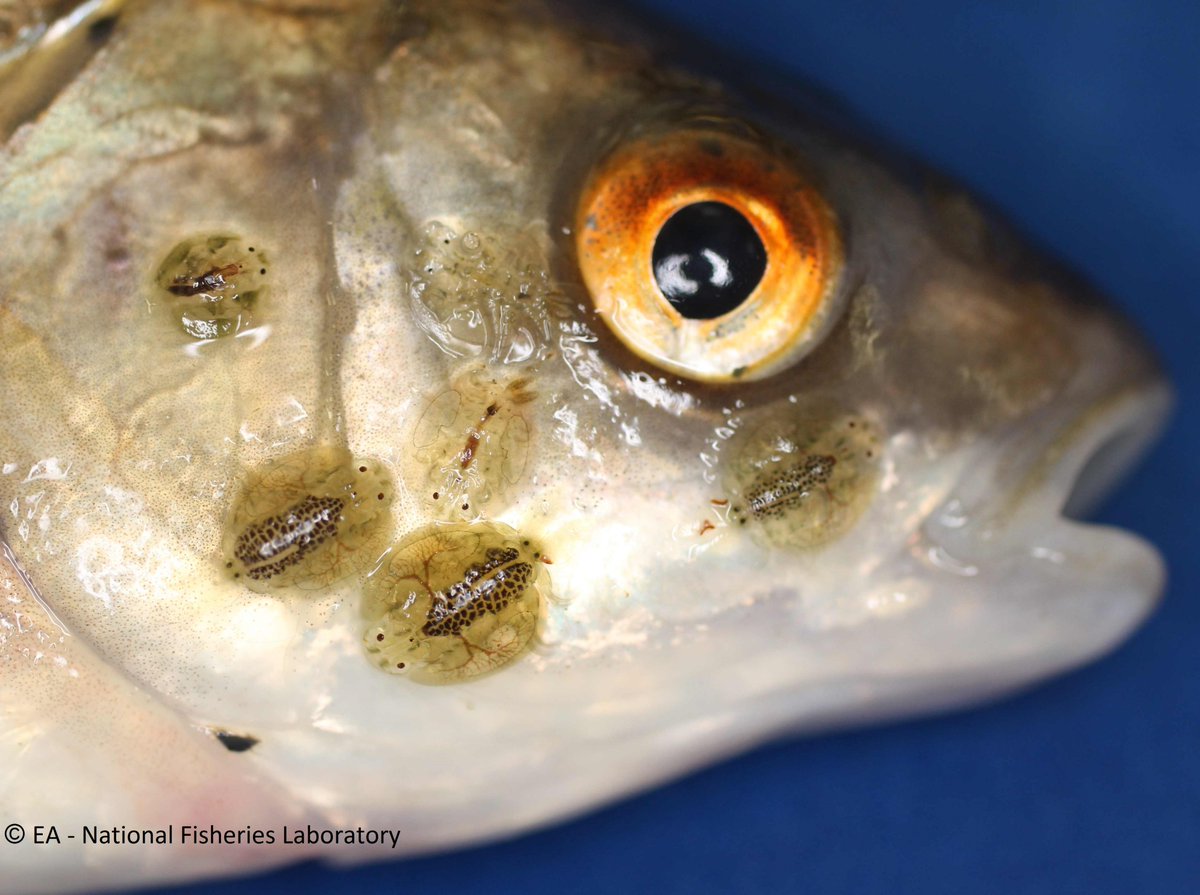
Argulus mongolianus is a newly discovered fish louse recently found in the UK. It attaches mainly to the gills, mouth, and head of fish, causing irritation, stress, and sometimes deaths. It has already been confirmed in carp, roach, and bream, and may infect all freshwater species. Because it is new and potentially harmful, reporting any suspicious lice or fish behaviour is very important.

Chilodonella
Parasite 🟠 High risk

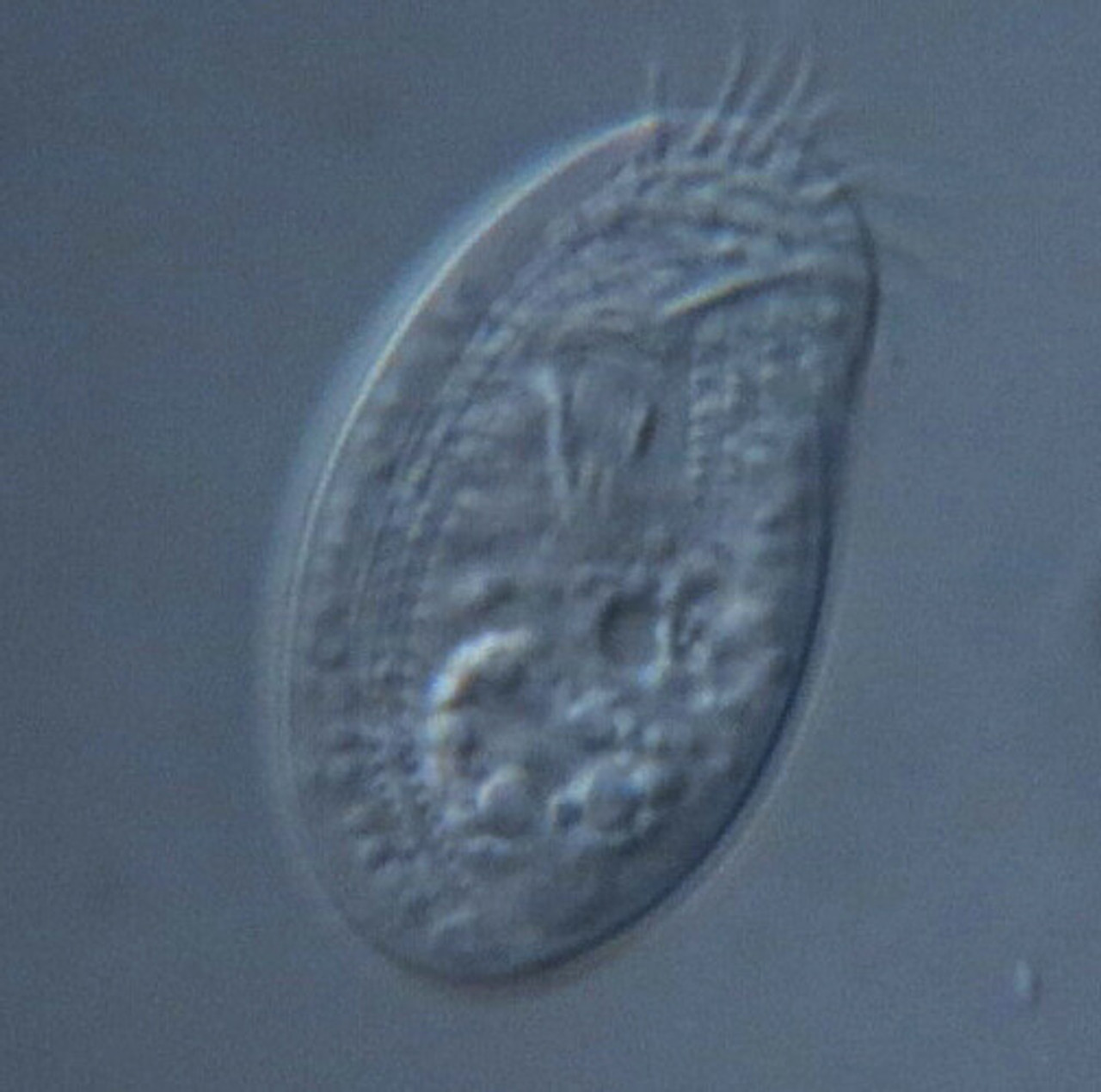
Chilodonella is a fast-spreading parasite that attacks the skin and gills of freshwater fish. It can cause heavy mucus, grey patches, breathing problems, and even death if untreated. It thrives in poor water quality, overcrowded waters, and when fish are stressed. Good fishery management is the best way to prevent outbreaks.