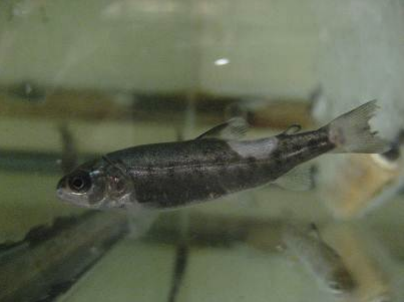
About this condition
Columnaris is a fast-spreading bacterial disease caused by Flavobacterium columnare. It thrives in warm, oxygen-poor water and can cause severe gill damage, skin lesions, and rapid fish losses — particularly during summer months. Early identification is critical.
What is Columnaris Disease?
Columnaris disease is a bacterial infection caused by Flavobacterium columnare, a gram-negative, filamentous bacterium found naturally in freshwater environments. Despite sometimes being mistaken for a fungal infection due to its white and grey appearance, columnaris is entirely bacterial in origin and requires a different treatment approach.
The disease is named after the column-like structures the bacteria form under microscopy. In the field, it is sometimes referred to as saddleback disease, cotton wool disease, or mouth fungus — all of which describe the visual presentation rather than the cause.
Columnaris spreads rapidly and can cause significant fish losses within days if conditions favour the pathogen. It is one of the more serious bacterial threats to UK coarse fisheries, particularly during prolonged warm spells.
Signs & Symptoms
Columnaris can present in several forms depending on how the infection enters the fish and how advanced it has become:
- Saddle-shaped lesions — pale grey or white patches appearing across the dorsal area, often forming a characteristic saddle shape behind the dorsal fin
- Skin ulceration — yellowish, grey, or brown patches on the body that may develop into open sores
- Gill damage — browning or necrosis of gill tissue, causing rapid respiratory distress; gill-form columnaris is particularly deadly
- Fin erosion — fraying or progressive deterioration of the fins, especially the dorsal and caudal fins
- Mouth lesions — white or grey lesions around the mouth, sometimes referred to as mouth rot or mouth fungus
- Rapid deterioration — fish can decline from first visible symptoms to death within 24–72 hours in acute cases
- Lethargy and surface hanging — fish gasping at the surface, struggling to maintain position, or gathering near inflows
- Loss of pigmentation — pale or washed-out areas around affected tissue
Gill-form infections are the most dangerous and hardest to identify without close inspection, as external symptoms may be minimal before the fish is in serious distress.
Causes & Risk Factors
Flavobacterium columnare is present in most freshwater environments but only becomes a serious pathogen under the right conditions. Key risk factors include:
- High water temperature — the bacteria multiply rapidly above 15°C and become highly virulent above 20°C; summer heatwaves are the most common trigger for outbreaks
- Low dissolved oxygen — warm water holds less oxygen, and stressed gills already compromised by columnaris cannot compensate effectively
- Overcrowding — high fish densities increase stress and the speed of transmission
- Physical injury — wounds from handling, netting, spawning, or parasites provide direct entry points for the bacteria
- Organic load — high levels of decaying matter or algal blooms create the enriched conditions in which F. columnare thrives
- Recent stocking — newly introduced fish are under transport stress and may carry or be susceptible to the pathogen
- Pre-existing parasitic infection — fish lice and anchor worm damage compromises the skin barrier, increasing vulnerability
Outbreaks are most commonly recorded between May and September in the UK, with peak risk during prolonged hot, settled weather.
What to Do If You Suspect Columnaris
For fishery managers:
- Act quickly — columnaris can escalate to significant losses within 48 hours in warm conditions
- Test water quality immediately — dissolved oxygen and temperature are the priority readings
- Increase aeration urgently if dissolved oxygen is low
- Avoid netting or disturbing the stock during an active outbreak
- Isolate visibly infected fish if practical
- Contact a fish health specialist or aquatic vet for a confirmed diagnosis — visual identification alone is not always reliable
- Do not attempt antibiotic treatment without veterinary prescription and diagnosis
- Record all symptoms, fish losses, water quality readings, and management actions taken
- Reduce feeding — uneaten food increases organic load and worsens water quality
For anglers:
- Report any fish showing white or grey lesions, fin erosion, or unusual behaviour to the fishery manager immediately
- Handle fish carefully and minimise air exposure
- Wet hands before contact and return fish directly to the water
- Do not move fish, water, or wet equipment between fisheries
- Dry all tackle thoroughly between sessions — F. columnare can survive in moist equipment for several hours
Treatment
There is no over-the-counter cure for columnaris in UK fisheries. Management options include:
- Water quality improvement — reducing temperature stress (via aeration and shading where possible) and improving dissolved oxygen is the most important immediate step
- Salt treatment — sodium chloride at therapeutic doses can reduce osmotic stress and inhibit bacterial spread; use only under specialist guidance
- Antibiotic treatment — prescription antibiotics may be appropriate in confirmed, serious outbreaks; a vet must diagnose and prescribe; medicated feed is the most common delivery method
- Topical wound treatment — for isolated fish in a treatment tank, antimicrobial preparations can be applied directly to lesions under veterinary supervision
Speed of response is critical. Columnaris progresses faster than most other bacterial diseases in warm conditions, and delayed treatment significantly reduces survival rates.
Prevention
- Monitor water temperature and dissolved oxygen regularly throughout the warm season
- Ensure adequate aeration, particularly overnight when oxygen levels naturally dip
- Avoid overstocking and reduce density if summer temperatures are consistently high
- Handle fish with care during all management and match activity — minimise netting time and keep fish in water wherever possible
- Quarantine new stock before introduction, particularly during warm months
- Maintain good general water quality — manage organic loading, control algal blooms, and avoid overfeeding
- Treat physical injuries sustained during handling promptly
Is Columnaris Notifiable?
No. Columnaris is not a notifiable disease under the Fish Health Regulations 2009 (as amended) in England and Wales. There is no legal obligation to report it to the Environment Agency or Fish Health Inspectorate, though contacting a fish health specialist is strongly advised for any significant outbreak.
For queries about disease notifiability, contact the Fish Health Inspectorate (CEFAS): [email protected]