Catch your first Atlantic Salmon in 3 steps
A simple, repeatable plan juniors can follow with help from a parent, coach or older angler.
-
Step 1
Treat salmon fishing as a privilege
Salmon angling is highly regulated, often expensive and usually not a first-step method for juniors. Any involvement should be alongside very experienced adults on safe, well-managed beats.
-
Step 2
Use beat-approved tackle and methods
Tackle, lines and flies or lures should follow fishery guidelines. Emphasise barbless hooks, strong leaders and fish-safe tactics to minimise long fights.
-
Step 3
Model gold-standard fish care
Let juniors watch how adults quickly net, unhook and release salmon, keeping the fish in the water and facing the flow. Use this as a lesson in conservation more than numbers of fish caught.
About the Atlantic Salmon
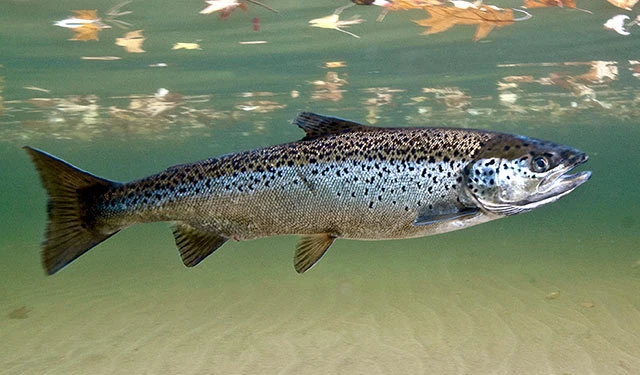
The Atlantic Salmon is Britain’s most iconic migratory game fish. Born in gravelly headwater streams, young salmon spend one to three years in freshwater before migrating to the North Atlantic, returning later to the same river to spawn. In freshwater they occupy deep runs and pools, resting behind rocks or ledges and moving mainly at dawn, dusk, or after rain. Though they rarely feed in rivers, salmon strike at flies and lures out of instinct. Their strength, beauty, and life cycle make them a prized species for anglers and a symbol of healthy, connected river systems.
Junior tip
Salmon are powerful fish found in fast-flowing rivers — always fish with an experienced adult or coach. Use safe wading practices, keep fish wet when releasing, and remember that protecting these fish helps keep our rivers alive for future generations.
Logged a Atlantic Salmon recently?
Add a catch report so juniors can see where they’re being caught,
which baits work and how your tackle was set up.
Want to discover more species? Browse the
full species guide.