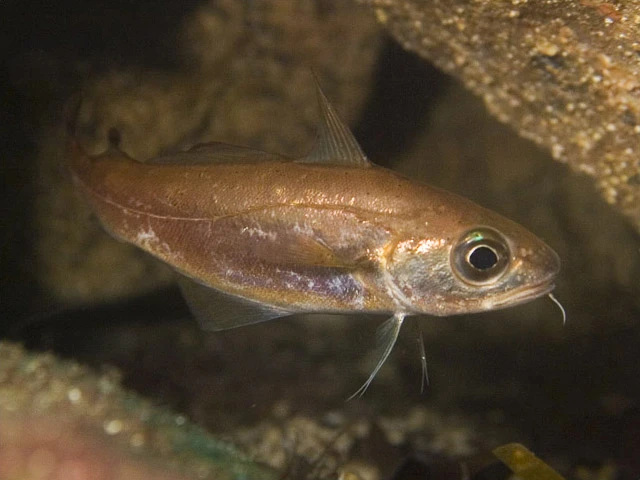
Poor Cod species guide Sea fish Very easy (2/10)

Poor Cod junior fishing guide

Trisopterus minutus

A clear, plain-English guide to poor cod for parents, coaches and juniors. See where they live, the best starter tackle, simple bait choices and a three-step plan to help young anglers catch their first one safely.

Junior-first & welfare-aware 3-step beginner plan UK venues & seasons
Skill & size Seasons Beginner baits

Skill level

Very easy (2/10)

Perfect for first-ever fishing trips with young juniors.

Best time

Spring–Autumn

Pick mild, settled days for junior sessions.

Typical size

10–25 cm; often mixed in with pouting and other small cod family fish.

Always match hooks, nets & lines to expected fish size.

🐟

Beginner baits

Black lugworm, Blow lugworm, Cockles …

Keep it simple — small hook baits, little-and-often feeding.

Typical venues: Harbours, piers
Scroll down for detailed tackle setups, methods and parent-friendly guidance.
Catch your first poor cod with confidence

Catch your first Poor Cod in 3 steps

A simple, repeatable plan juniors can follow with help from a parent, coach or older angler.

  1. Step 1

    Fish from safe piers or harbour walls

    Poor Cod are common around deep harbour walls and rough ground. Choose railings, level surfaces and spots away from busy edges for juniors.

  2. Step 2

    Small hooks just off the bottom

    Use light beach or pier rods with small two- or three-hook rigs baited with worm or small fish strips. Fish baits near the seabed.

  3. Step 3

    Frequent bites, gentle unhooking

    Poor Cod give lots of bites – great for confidence. Teach juniors to support fish in a bucket of seawater, unhook carefully and return them with a drop net or gentle swing on light gear.

Tackle setups that work

Designed with juniors and fish welfare in mind. Start with an IDEAL or GOOD setup for easier casting and safe unhooking.

👉 Swipe sideways to view different setups.

Beachcaster

Beginner tip: Fish from safe, flat marks with an adult. Cast straight out, keep the line tight and watch the rod tip for rattling bites. For species with spines (like weever or scorpion fish), let an adult do the unhooking.

IDEAL

Rod: 9–10 ft light beachcaster or pier rod (2–4 oz rating).

Reel: 4000–5000 size fixed spool reel.

Line: 10–15 lb mono or 20 lb braid with short 15 lb trace.

Terminal tackle

  • ["Two- or three-hook flapper rig"
  • "Size 2–4 hooks with small worm or fish strip baits"
  • "Optional simple running ledger for rough ground"]

Extras

  • ["2–4 oz plain lead"
  • "Glow beads or small attractors"
  • "Headlamp for low-light sessions"
  • "Disgorger or forceps"]

Light beach or pier setup for small bottom-dwelling sea fish.

About the Poor Cod

Poor Cod are small relatives of cod and pouting that form shoals around piers and reefs. They are useful for teaching juniors how to separate similar cod family species.

Junior tip

Use small hooks and bits of worm or fish strip. Encourage juniors to look at chin barbels, fin shapes and colour so they can learn the difference between poor cod, pouting and whiting.

Logged a Poor Cod recently?

Add a catch report so juniors can see where they’re being caught, which baits work and how your tackle was set up.

Want to discover more species? Browse the full species guide.