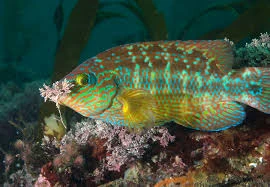
Corkwing Wrasse species guide Sea fish Very easy (2/10)

Corkwing Wrasse junior fishing guide

Symphodus melops

A clear, plain-English guide to corkwing wrasse for parents, coaches and juniors. See where they live, the best starter tackle, simple bait choices and a three-step plan to help young anglers catch their first one safely.

Junior-first & welfare-aware 3-step beginner plan UK venues & seasons
Skill & size Seasons Beginner baits

Skill level

Very easy (2/10)

Perfect for first-ever fishing trips with young juniors.

Best time

Spring–Autumn

Pick mild, settled days for junior sessions.

Typical size

10–20 cm common.

Always match hooks, nets & lines to expected fish size.

Corkwing Wrasse

Beginner baits

Hardback crab, Mussels, Peeler crab …

Keep it simple — small hook baits, little-and-often feeding.

Typical venues: Rocky kelp shores, piers and harbour walls with weed.
Scroll down for detailed tackle setups, methods and parent-friendly guidance.
Catch your first corkwing wrasse with confidence

Catch your first Corkwing Wrasse in 3 steps

A simple, repeatable plan juniors can follow with help from a parent, coach or older angler.

  1. Step 1

    Short-range rock or harbour sessions

    Small wrasse species are great fun for youngsters on piers and rocks with kelp and weed. Choose low-lying, safe spots.

  2. Step 2

    Small hooks, ragworm and crab baits

    Use very small hooks on short rigs with tiny pieces of ragworm or crab, fished down the side or into small gullies.

  3. Step 3

    Dip and release near the capture point

    Let juniors briefly view fish in a bucket or tray, then pour them back beside the rocks where they were caught.

Tackle setups that work

Designed with juniors and fish welfare in mind. Start with an IDEAL or GOOD setup for easier casting and safe unhooking.

👉 Swipe sideways to view different setups.

Spinning Rod

Beginner tip: Fish right by the rocks, keep tackle light and focus on handling fish carefully with wet hands.

IDEAL

Rod: 5–8 ft ultra-light lure rod (0.5–7 g or 1–10 g).

Reel: 1000–2000 size fixed spool reel.

Line: 4–6 lb braid with 4–6 lb fluorocarbon leader.

Terminal tackle

  • ["Size 8–14 hooks"
  • "Split-shot or tiny jigheads"
  • "Simple float rig for close-in fishing"]

Extras

  • ["Polaroids"
  • "Small rockpool net and bucket"
  • "Unhooking mat / kneeling pad"]

Very light LRF / mini-species setup for rockpools, harbours and close-in marks.

Ultra-Light Lure Rod

Beginner tip: Fish right by the rocks, keep tackle light and focus on handling fish carefully with wet hands.

IDEAL

Rod: 5–8 ft ultra-light lure rod (0.5–7 g or 1–10 g).

Reel: 1000–2000 size fixed spool reel.

Line: 4–6 lb braid with 4–6 lb fluorocarbon leader.

Terminal tackle

  • ["Size 8–14 hooks"
  • "Split-shot or tiny jigheads"
  • "Simple float rig for close-in fishing"]

Extras

  • ["Polaroids"
  • "Small rockpool net and bucket"
  • "Unhooking mat / kneeling pad"]

Very light LRF / mini-species setup for rockpools, harbours and close-in marks.

About the Corkwing Wrasse

Corkwing Wrasse are small, colourful members of the wrasse family. They are abundant around kelp-covered rocks and give lively sport on light tackle.

Junior tip

Fish small hooks baited with ragworm or crab close to the rocks. Expect quick bites and spirited fights on light rods.

Logged a Corkwing Wrasse recently?

Add a catch report so juniors can see where they’re being caught, which baits work and how your tackle was set up.

Want to discover more species? Browse the full species guide.