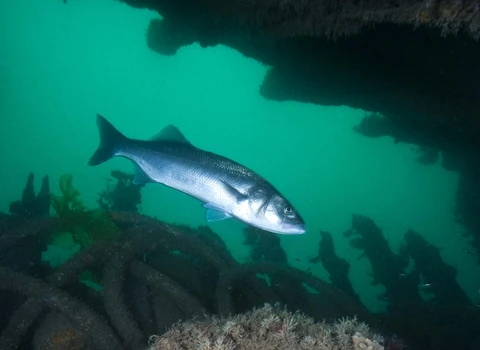
European Sea Bass species guide Sea fish Easy (4/10)

European Sea Bass junior fishing guide

Dicentrarchus labrax

A clear, plain-English guide to european sea bass for parents, coaches and juniors. See where they live, the best starter tackle, simple bait choices and a three-step plan to help young anglers catch their first one safely.

Junior-first & welfare-aware 3-step beginner plan UK venues & seasons
Skill & size Seasons Beginner baits

Skill level

Easy (4/10)

Great for coached juniors and confident beginners.

Best time

Spring–Autumn

Pick mild, settled days for junior sessions.

Typical size

1–4 lb common from shore; much larger possible.

Always match hooks, nets & lines to expected fish size.

European Sea Bass

Beginner baits

Artificial sandeel, Mackerel strip, Peeler crab …

Keep it simple — small hook baits, little-and-often feeding.

Typical venues: Surf beaches, rocky headlands
Scroll down for detailed tackle setups, methods and parent-friendly guidance.
Catch your first european sea bass with confidence

Catch your first European Sea Bass in 3 steps

A simple, repeatable plan juniors can follow with help from a parent, coach or older angler.

  1. Step 1

    Pick safe surf and estuary spots

    Bass often feed in surf and along rocky shores. With juniors, stick to gently sloping beaches and easily accessed estuary channels.

  2. Step 2

    Use simple lure or bait tactics

    Shallow-running lures, surface plugs or simple worm and crab baits on strong rigs all work. Keep casting angles simple and avoid big, risky wades.

  3. Step 3

    Respect size limits and handling

    Explain legal sizes and bag limits. Show juniors how to support Bass with wet hands, avoid gill damage and release fish you cannot keep.

Tackle setups that work

Designed with juniors and fish welfare in mind. Start with an IDEAL or GOOD setup for easier casting and safe unhooking.

👉 Swipe sideways to view different setups.

Beachcaster

Beginner tip: Teach safe casting with no one behind, and keep juniors away from the waterline in rough conditions.

IDEAL

Rod: 12–13 ft beachcaster or surf rod (4–6 oz rating).

Reel: 6000–8000 size fixed spool reel or medium multiplier.

Line: 15–18 lb mono with 40–60 lb shockleader.

Terminal tackle

  • ["Two-hook flapper or clipped-down rig"
  • "Size 1–2/0 hooks depending on target"
  • "Grip leads in strong tide"]

Extras

  • ["Rod rest"
  • "Headtorch"
  • "Disgorger and long-nose pliers"]

Standard beach / surf setup for flatfish, whiting and general shore fishing.

Surf Rod

Beginner tip: Teach safe casting with no one behind, and keep juniors away from the waterline in rough conditions.

IDEAL

Rod: 12–13 ft beachcaster or surf rod (4–6 oz rating).

Reel: 6000–8000 size fixed spool reel or medium multiplier.

Line: 15–18 lb mono with 40–60 lb shockleader.

Terminal tackle

  • ["Two-hook flapper or clipped-down rig"
  • "Size 1–2/0 hooks depending on target"
  • "Grip leads in strong tide"]

Extras

  • ["Rod rest"
  • "Headtorch"
  • "Disgorger and long-nose pliers"]

Standard beach / surf setup for flatfish, whiting and general shore fishing.

About the European Sea Bass

Bass are sleek, silver predators highly prized by sea anglers. They patrol surf lines and rocky shores and are excellent sport on bait or lure.

Junior tip

Fish only where it is safe, such as gently sloping beaches and piers. Use simple rigs with fish or crab baits, or small lures under close adult supervision.

Logged a European Sea Bass recently?

Add a catch report so juniors can see where they’re being caught, which baits work and how your tackle was set up.

Want to discover more species? Browse the full species guide.