John Dory species guide Sea fish Moderate (7/10)

John Dory junior fishing guide

Zeus faber

A clear, plain-English guide to john dory for parents, coaches and juniors. See where they live, the best starter tackle, simple bait choices and a three-step plan to help young anglers catch their first one safely.

Junior-first & welfare-aware 3-step beginner plan UK venues & seasons
Skill & size Seasons Beginner baits

Skill level

Moderate (7/10)

Best with some experience or support from a coach.

Best time

Spring–Autumn

Pick mild, settled days for junior sessions.

Typical size

2–5 lb common.

Always match hooks, nets & lines to expected fish size.

🐟

Beginner baits

Maggots, worms, bread

Keep it simple — small hook baits, little-and-often feeding.

Typical venues: Offshore wrecks, reefs and rough ground.
Scroll down for detailed tackle setups, methods and parent-friendly guidance.
Catch your first john dory with confidence

Catch your first John Dory in 3 steps

A simple, repeatable plan juniors can follow with help from a parent, coach or older angler.

  1. Step 1

    Target reefs and wreck edges

    John Dory sit near reef edges and wrecks waiting to ambush prey.

  2. Step 2

    Use small live or strip baits

    They take small fish baits fished tight to structure on strong leaders.

  3. Step 3

    Lift smoothly

    They have delicate mouths—use a slow, steady retrieve.

Tackle setups that work

Designed with juniors and fish welfare in mind. Start with an IDEAL or GOOD setup for easier casting and safe unhooking.

We don’t have tackle recommendations for this species yet. Ask your club coach for a simple, junior-friendly rig and check back soon.

About the John Dory

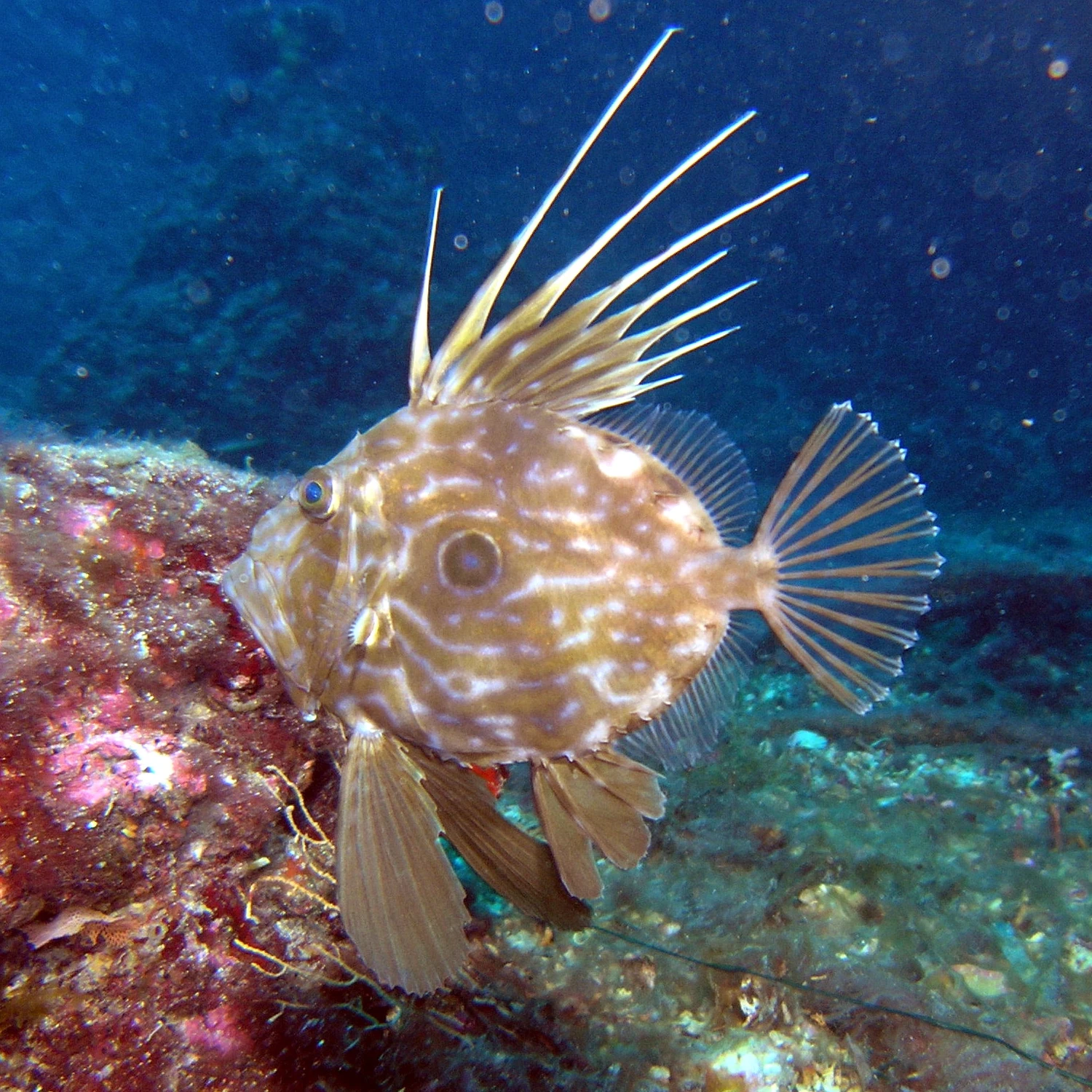
John Dory are flat-bodied predators with a big, extendable mouth and a dark spot on each side. They are unusual catches that fascinate juniors.

Junior tip

John Dory are bycatch when boat fishing over reefs and wrecks. Use them as an opportunity to talk about ambush predators and unusual fish shapes.

Logged a John Dory recently?

Add a catch report so juniors can see where they’re being caught, which baits work and how your tackle was set up.

Want to discover more species? Browse the full species guide.