Cuckoo Wrasse species guide Sea fish Very easy (3/10)

Cuckoo Wrasse junior fishing guide

Labrus mixtus

A clear, plain-English guide to cuckoo wrasse for parents, coaches and juniors. See where they live, the best starter tackle, simple bait choices and a three-step plan to help young anglers catch their first one safely.

Junior-first & welfare-aware 3-step beginner plan UK venues & seasons
Skill & size Seasons Beginner baits

Skill level

Very easy (3/10)

Perfect for first-ever fishing trips with young juniors.

Best time

Spring–Autumn

Pick mild, settled days for junior sessions.

Typical size

20–35 cm common; larger from boats.

Always match hooks, nets & lines to expected fish size.

Cuckoo Wrasse

Beginner baits

Hardback crab, Mussels, Peeler crab …

Keep it simple — small hook baits, little-and-often feeding.

Typical venues: Rough ground, reefs and kelp beds in clear water.
Scroll down for detailed tackle setups, methods and parent-friendly guidance.
Catch your first cuckoo wrasse with confidence

Catch your first Cuckoo Wrasse in 3 steps

A simple, repeatable plan juniors can follow with help from a parent, coach or older angler.

  1. Step 1

    Boat trips over reefs

    Cuckoo Wrasse are mostly boat-caught over reefs and rough ground. Juniors should wear lifejackets and follow the skipper’s safety briefing.

  2. Step 2

    Small baits straight down

    Use light boat gear with small hooks and worm or crab baits fished near the bottom around structure.

  3. Step 3

    Highlight their colours and quick release

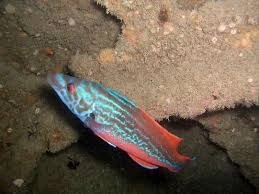
    Their bright colours are excellent for teaching about sex change and reef life. Unhook over the side and release gently when not retained.

Tackle setups that work

Designed with juniors and fish welfare in mind. Start with an IDEAL or GOOD setup for easier casting and safe unhooking.

We don’t have tackle recommendations for this species yet. Ask your club coach for a simple, junior-friendly rig and check back soon.

About the Cuckoo Wrasse

Cuckoo Wrasse are brilliantly coloured reef fish, with blue and orange males and greenish females. They live among rocks and kelp and take small baits and lures readily.

Junior tip

Use small hooks with worm or crab baits dropped close to reefs. Their bright colours make them perfect for ID and photography lessons.

Logged a Cuckoo Wrasse recently?

Add a catch report so juniors can see where they’re being caught, which baits work and how your tackle was set up.

Want to discover more species? Browse the full species guide.