Bib (Pouting) species guide Sea fish Very easy (2/10)

Bib (Pouting) junior fishing guide

Trisopterus luscus

A clear, plain-English guide to bib (pouting) for parents, coaches and juniors. See where they live, the best starter tackle, simple bait choices and a three-step plan to help young anglers catch their first one safely.

Junior-first & welfare-aware 3-step beginner plan UK venues & seasons
Skill & size Seasons Beginner baits

Skill level

Very easy (2/10)

Perfect for first-ever fishing trips with young juniors.

Best time

Spring–Autumn

Pick mild, settled days for junior sessions.

Typical size

Commonly 15–30 cm; larger specimens 40+ cm possible, usually under 2 lb.

Always match hooks, nets & lines to expected fish size.

Bib (Pouting)

Beginner baits

Black lugworm, Blow lugworm, Cockles …

Keep it simple — small hook baits, little-and-often feeding.

Typical venues: Deep piers, harbour walls
Scroll down for detailed tackle setups, methods and parent-friendly guidance.
Catch your first bib (pouting) with confidence

Catch your first Bib (Pouting) in 3 steps

A simple, repeatable plan juniors can follow with help from a parent, coach or older angler.

  1. Step 1

    Start on deep piers and harbour walls

    Pouting love structure. Fish from solid, railed piers or harbour walls where juniors can stand back from the edge and still reach deep water.

  2. Step 2

    Use small baits on simple rigs

    Two-hook flapper rigs with size 2–4 hooks and worm or mackerel strip baits work well. Drop straight down the wall or cast a short distance.

  3. Step 3

    Expect lots of bites and teach fish ID

    Pouting often show up in numbers. Use the session to help juniors learn the difference between cod, Poor Cod and Pouting while practising safe unhooking.

Tackle setups that work

Designed with juniors and fish welfare in mind. Start with an IDEAL or GOOD setup for easier casting and safe unhooking.

👉 Swipe sideways to view different setups.

Beachcaster

Beginner tip: Always check the tide and waves first, cast safely with plenty of space and keep the line tight to feel bites.

IDEAL

Rod: 9–10 ft light beachcaster or pier rod (2–4 oz rating)

Reel: 4000–5000 fixed spool reel

Line: 10–15 lb mono or 20 lb braid with short 15 lb trace

Terminal tackle

  • ["Two- or three-hook flapper rig"
  • "size 2–4 hooks"
  • "ragworm"
  • "mackerel"
  • "squid strip"]

Extras

  • ["2–4 oz plain lead"
  • "glow beads"
  • "headlamp for night sessions"]

Beachcaster setup for bottom fishing with leads and multi hook rigs from beaches and piers.

About the Bib (Pouting)

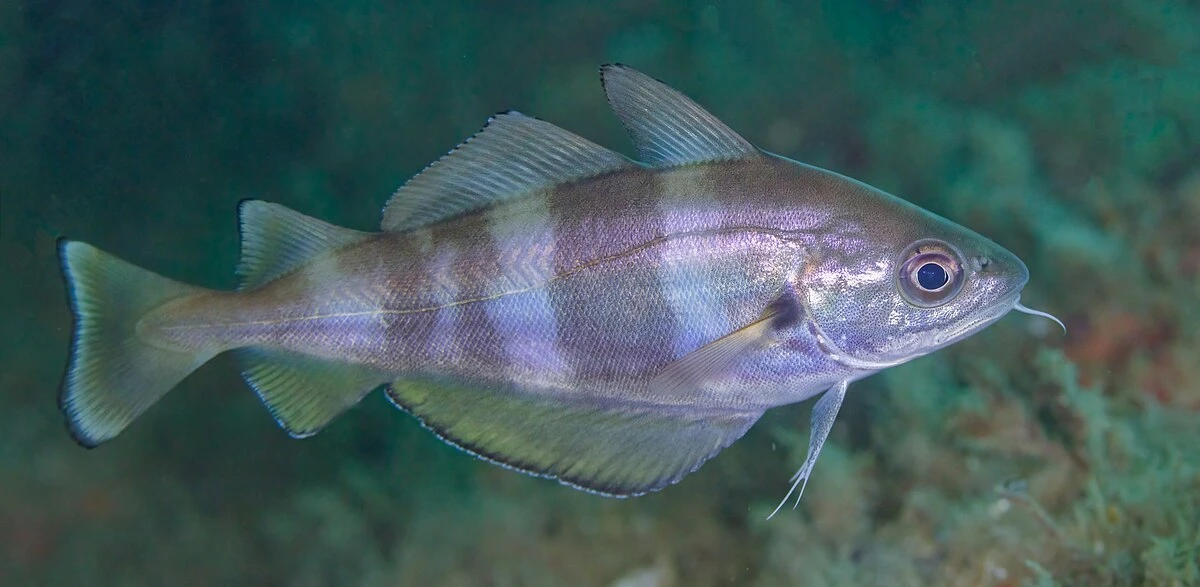
The Bib — often called Pouting — is a small, deep-bodied member of the cod family with a single chin barbel and bronze-pink scales. Common around rocky coasts and harbours, it’s a great fish for beginners thanks to its abundance and willingness to bite. Pouting hunt in shoals near the seabed, feeding on worms, shellfish and scraps around structures. They put up a spirited fight on light tackle and can be caught day or night, especially under pier lights. 

Junior tip

Pouting are perfect for learning sea fishing! Try a simple two-hook rig baited with ragworm or small strips of mackerel straight off a pier or harbour wall. You’ll feel sharp little rattles when they bite — keep your rod tip low and wind smoothly to bring them in. 

Logged a Bib (Pouting) recently?

Add a catch report so juniors can see where they’re being caught, which baits work and how your tackle was set up.

Want to discover more species? Browse the full species guide.