Conger Eel species guide Sea fish Tricky (9/10)

Conger Eel junior fishing guide

Conger conger

A clear, plain-English guide to conger eel for parents, coaches and juniors. See where they live, the best starter tackle, simple bait choices and a three-step plan to help young anglers catch their first one safely.

Junior-first & welfare-aware 3-step beginner plan UK venues & seasons
Skill & size Seasons Beginner baits

Skill level

Tricky (9/10)

Suited to more experienced juniors or adults.

Best time

Spring–Autumn

Pick mild, settled days for junior sessions.

Typical size

10–40 lb common from deep marks; much larger possible.

Always match hooks, nets & lines to expected fish size.

Conger Eel

Beginner baits

Maggots, worms, bread

Keep it simple — small hook baits, little-and-often feeding.

Typical venues: Wrecks, rough ground and deep harbour walls.
Scroll down for detailed tackle setups, methods and parent-friendly guidance.
Catch your first conger eel with confidence

Catch your first Conger Eel in 3 steps

A simple, repeatable plan juniors can follow with help from a parent, coach or older angler.

  1. Step 1

    Deep holes and heavy structure

    Conger hide in rock holes and wrecks. Only fish with experienced adults due to their power.

  2. Step 2

    Very strong tackle

    Use heavy traces, large hooks and abrasion-resistant gear to stop them diving back into structure.

  3. Step 3

    Keep low and controlled

    Apply firm pressure and keep the rod low to guide them away from snags.

Tackle setups that work

Designed with juniors and fish welfare in mind. Start with an IDEAL or GOOD setup for easier casting and safe unhooking.

👉 Swipe sideways to view different setups.

Boat Rod

Beginner tip: These fish are **coach only** targets – emphasise safety, harness use where relevant and careful release.

IDEAL

Rod: 6–8 ft 12–30 lb class boat rod (uptide/downtide depending on venue).

Reel: Boat multiplier filled with 30–50 lb braid.

Line: 30–50 lb braid mainline with appropriate mono leader or rubbing trace.

Terminal tackle

  • ["Strong mono or wire traces"
  • "Large hooks"
  • "Heavy leads matched to tide"]

Extras

  • ["Fighting harness where needed"
  • "Heavy-duty landing gear"
  • "Long-handled t-bar or disgorger"]

Heavy boat setup for deep-water species, rays and sharks – always with skipper / coach supervision.

Downtide Rod

Beginner tip: These fish are **coach only** targets – emphasise safety, harness use where relevant and careful release.

IDEAL

Rod: 6–8 ft 12–30 lb class boat rod (uptide/downtide depending on venue).

Reel: Boat multiplier filled with 30–50 lb braid.

Line: 30–50 lb braid mainline with appropriate mono leader or rubbing trace.

Terminal tackle

  • ["Strong mono or wire traces"
  • "Large hooks"
  • "Heavy leads matched to tide"]

Extras

  • ["Fighting harness where needed"
  • "Heavy-duty landing gear"
  • "Long-handled t-bar or disgorger"]

Heavy boat setup for deep-water species, rays and sharks – always with skipper / coach supervision.

Uptide Rod

Beginner tip: These fish are **coach only** targets – emphasise safety, harness use where relevant and careful release.

IDEAL

Rod: 6–8 ft 12–30 lb class boat rod (uptide/downtide depending on venue).

Reel: Boat multiplier filled with 30–50 lb braid.

Line: 30–50 lb braid mainline with appropriate mono leader or rubbing trace.

Terminal tackle

  • ["Strong mono or wire traces"
  • "Large hooks"
  • "Heavy leads matched to tide"]

Extras

  • ["Fighting harness where needed"
  • "Heavy-duty landing gear"
  • "Long-handled t-bar or disgorger"]

Heavy boat setup for deep-water species, rays and sharks – always with skipper / coach supervision.

About the Conger Eel

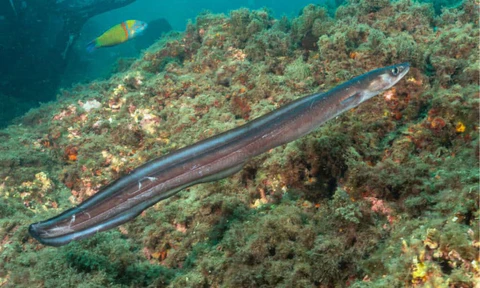
Conger Eels are large, powerful eels that live in holes and wrecks. They require strong tackle and careful handling and are usually boat or specialist shore targets.

Junior tip

Only target conger with experienced adults and very strong gear. They are not suitable for unsupervised junior fishing.

Logged a Conger Eel recently?

Add a catch report so juniors can see where they’re being caught, which baits work and how your tackle was set up.

Want to discover more species? Browse the full species guide.