Ballan Wrasse species guide Sea fish Very easy (3/10)

Ballan Wrasse junior fishing guide

Labrus bergylta

A clear, plain-English guide to ballan wrasse for parents, coaches and juniors. See where they live, the best starter tackle, simple bait choices and a three-step plan to help young anglers catch their first one safely.

Junior-first & welfare-aware 3-step beginner plan UK venues & seasons
Skill & size Seasons Beginner baits

Skill level

Very easy (3/10)

Perfect for first-ever fishing trips with young juniors.

Best time

Spring–Autumn

Pick mild, settled days for junior sessions.

Typical size

20 – 40 cm common; specimens over 50 cm and 4 kg possible from deep reefs.

Always match hooks, nets & lines to expected fish size.

Ballan Wrasse

Beginner baits

Hardback crab, Mussels, Peeler crab …

Keep it simple — small hook baits, little-and-often feeding.

Typical venues: Rocky shorelines, reefs
Scroll down for detailed tackle setups, methods and parent-friendly guidance.
Catch your first ballan wrasse with confidence

Catch your first Ballan Wrasse in 3 steps

A simple, repeatable plan juniors can follow with help from a parent, coach or older angler.

  1. Step 1

    Rocky shores with deep, kelpy water

    Ballan Wrasse are perfect for daytime rock sessions. Choose stable rock platforms above deep kelp gullies and keep juniors away from edges.

  2. Step 2

    Float-fish close to the rocks

    Use strong float tackle with crab, worm or prawn baits lowered next to rocks and kelp. Expect smash bites and powerful runs for cover.

  3. Step 3

    Teach “hit and hold” and careful releases

    Show juniors how to keep the rod low and apply steady pressure to keep fish from diving into weed. Use landing nets where possible and release fish quickly.

Tackle setups that work

Designed with juniors and fish welfare in mind. Start with an IDEAL or GOOD setup for easier casting and safe unhooking.

👉 Swipe sideways to view different setups.

Spinning Rod

Beginner tip: Fish close to rocks or kelp beds — drop straight down, hold tight, and be ready when they dive for cover!

IDEAL

Rod: strong spinning rod (rated 20–50 g)

Reel: 4000–5000 size fixed spool reel with good drag

Line: 15–20 lb mono or 30 lb braid with 20 lb fluorocarbon leader

Terminal tackle

  • ["Simple running ledger or paternoster rig"
  • "1–2 oz lead"
  • "ize 2–1/0 strong hook"
  • "crab"
  • "ragworm"
  • "mussel"]

Extras

  • ["Shockleader (if casting)"
  • "long-handled landing net"
  • "abrasion-resistant trace"
  • "sturdy footwear"]

General spinning rod setup for lures and small spinners for perch, pike, chub and some sea species.

Ultra-Light Lure Rod

Beginner tip: Fish right by the rocks, keep tackle light and focus on handling fish carefully with wet hands.

IDEAL

Rod: 5–8 ft ultra-light lure rod (0.5–7 g or 1–10 g).

Reel: 1000–2000 size fixed spool reel.

Line: 4–6 lb braid with 4–6 lb fluorocarbon leader.

Terminal tackle

  • ["Size 8–14 hooks"
  • "Split-shot or tiny jigheads"
  • "Simple float rig for close-in fishing"]

Extras

  • ["Polaroids"
  • "Small rockpool net and bucket"
  • "Unhooking mat / kneeling pad"]

Very light LRF / mini-species setup for rockpools, harbours and close-in marks.

Boat Rod

Beginner tip: Drop straight down, feel for bites close to the bottom, and wind firmly to lift fish clear of rocks.

GOOD

Rod: 6–8 ft 20–30 lb class boat rod

Reel: Multiplier or 5000–6000 fixed spool

Line: 30 lb braid with short 30 lb fluorocarbon trace

Terminal tackle

  • ["1–3 oz running ledger"
  • "2-hook rig with strong hooks"
  • "crab or worm baits"]

Extras

  • ["Grip leads for holding over reef"
  • "circle hooks"
  • "small baiting elastic"]

Boat rod setup for bottom and midwater fishing with leads and multi hook rigs from boats.

About the Ballan Wrasse

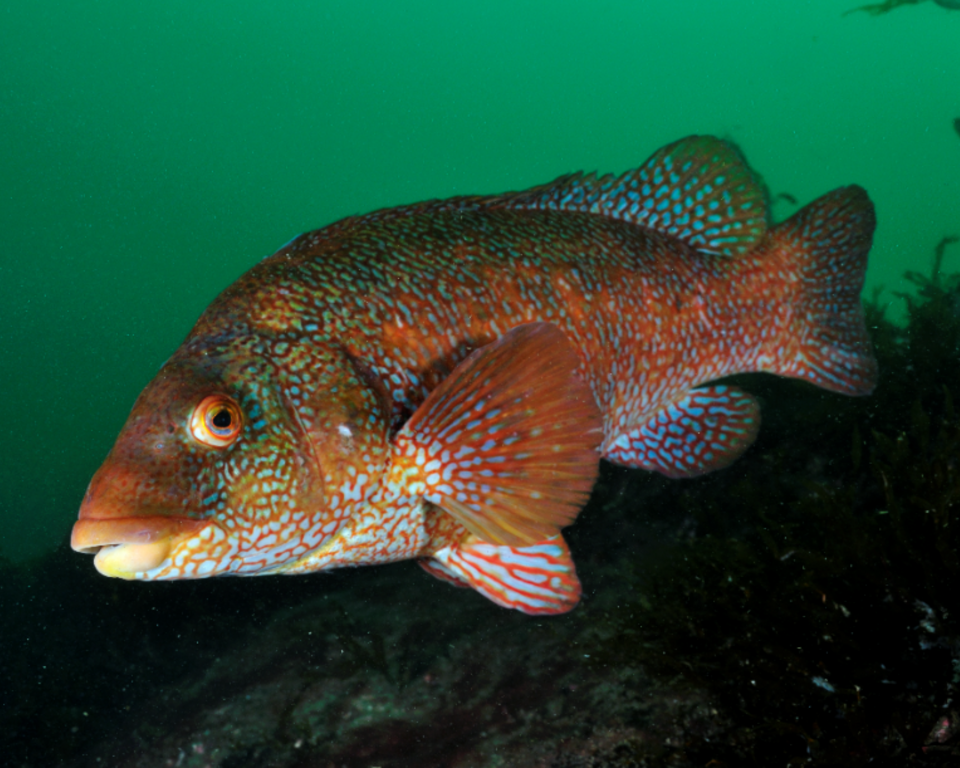
The Ballan Wrasse is a bold, colourful reef fish and one of the most distinctive species around UK coasts. Their thick lips, strong jaws, and vibrant greens, reds, and oranges make them easy to recognise. Wrasse live among kelp and rocks, searching for crabs and shellfish to crush with powerful teeth. They are inquisitive and hard-fighting on light tackle, often diving for cover once hooked. Because they rely on rocky habitat and slow growth, careful handling and quick release help keep populations healthy. 

Junior tip

Ballan Wrasse love rocky hideouts! Fish close to the rocks or kelp with small hooks, crab or worm baits, and a simple rig that keeps the bait just off the bottom. Hold on tight—they dive for cover fast! Always wear sturdy shoes and keep clear of slippery rocks. 

Logged a Ballan Wrasse recently?

Add a catch report so juniors can see where they’re being caught, which baits work and how your tackle was set up.

Want to discover more species? Browse the full species guide.